 Book Printing in China
 Custom Card Decks
 Custom Holographic Cards
 Free Wall Calendar Template
 Free Desk Calendar Template
 Folding Cartons
 Rigid Boxes
 Corrugated Boxes
 Custom Board Game
 Custom Card Game
 Kickstarter Print Solutions
Cream Paper
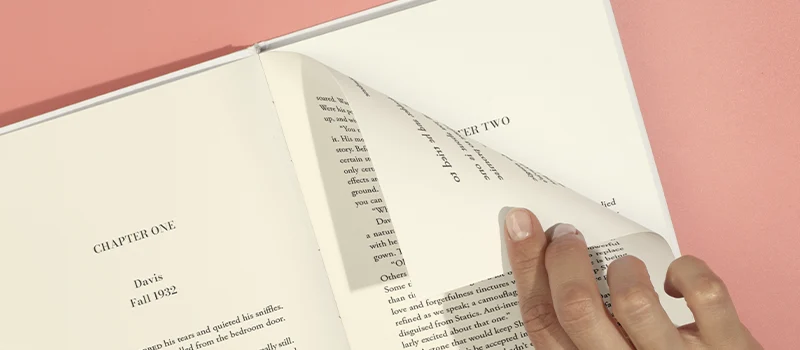
Open almost any mass-market novel, prayer book, or devotional text and the pages will not be bright white. They will be a soft, warm cream. This is not an accident. Cream paper, also called ivory or natural paper, is an uncoated stock with a yellowish-warm tint that reduces the contrast between the paper and the printed text. The result is a reading experience that feels gentler on the eyes, especially during the extended sessions that novels, Bibles, and reference books demand.
Cream paper shares most of its physical properties with standard white uncoated (offset) paper. It is absorbent, writable, and printable with standard offset inks. The key difference is color: where white offset paper reflects more blue-white light, cream paper absorbs it and reflects a warmer tone. This subtle shift makes a significant difference in reader comfort over hundreds of pages.
Available Weights
| Weight | Approx. lb | Thickness | Best For |
|---|---|---|---|
| 60 gsm | 40 lb text | 0.075 mm | Bibles, prayer books, hymnals (high page count) |
| 70 gsm | 47 lb text | 0.081 mm | Bibles, prayer books, devotional texts |
| 80 gsm | 54 lb text | 0.097 mm | Bibles, novels, memoirs, text-heavy nonfiction |
| 100 gsm | 68 lb text | 0.119 mm | Novels, journals, notebooks, illustrated text books |
| 120 gsm | 81 lb text | 0.145 mm | Journals, planners, illustrated books |
| 150 gsm | 101 lb text | 0.173 mm | Premium illustrated books, photo-text hybrids |
Choosing the Right Weight by Book Type
Not all cream paper is the same weight, and the right choice depends on what kind of book you are printing. Here is a practical guide:
Bibles and Prayer Books (60, 70, 80 gsm)
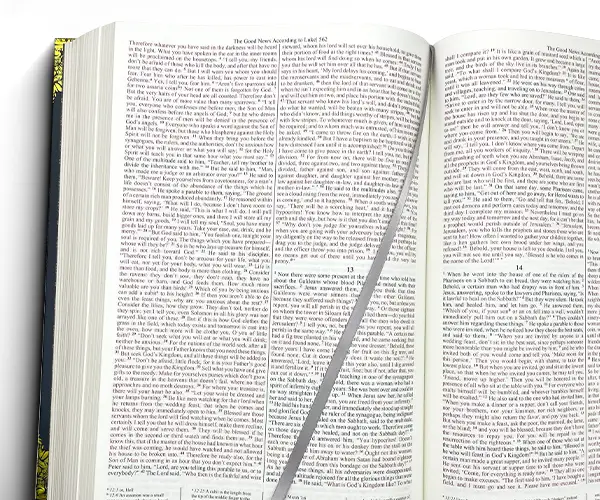
Bibles, hymnals, and devotional texts often contain 500 to 1,500+ pages. Using lightweight cream paper (60 to 80 gsm) is essential to keep the finished book at a manageable thickness and weight. At 60 gsm, the paper is thin enough to allow a 1,000-page Bible to remain portable, while still providing sufficient opacity to prevent excessive show-through. Most Bible publishers use 60, 70 or 80 gsm cream paper as their standard interior stock.
Novels and Text-Heavy Nonfiction (80, 100 gsm)
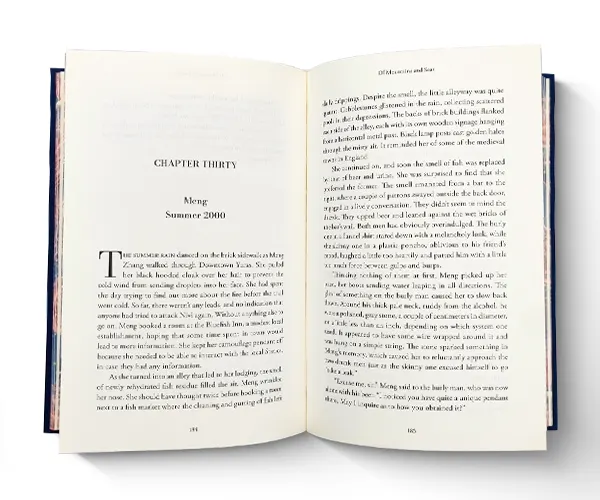
Novels, memoirs, biographies, and narrative nonfiction typically range from 200 to 500 pages. At this page count, 80 gsm cream paper offers a good balance between a comfortable page thickness and a reasonable overall book weight. For shorter novels or books where a slightly more substantial page feel is preferred, 100 gsm is a good choice. The thicker paper gives the book a more premium feel in the hand without adding excessive bulk.
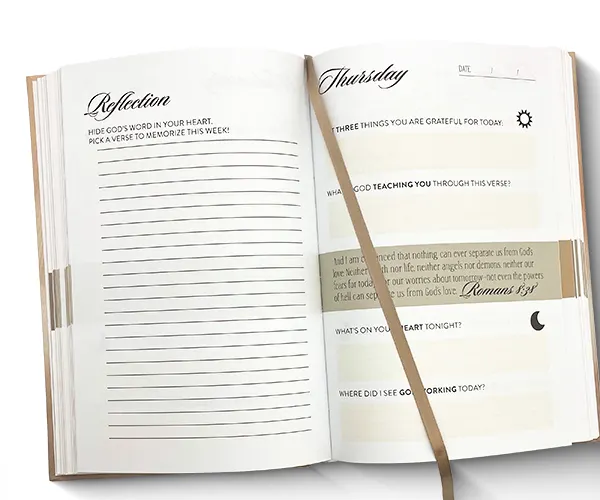
Journals, Notebooks, and Planners (100, 120 gsm)
For products where the reader will write on the pages, a heavier weight prevents ink from bleeding through and gives the pen a more satisfying surface. 100 gsm cream paper works well for light journaling with ballpoint pens. 120 gsm is better for fountain pens, gel pens, or heavier writing use. The cream tone adds a warm, inviting quality that many journal users prefer over stark white.
Illustrated Books with Text (100, 120, 150 gsm)
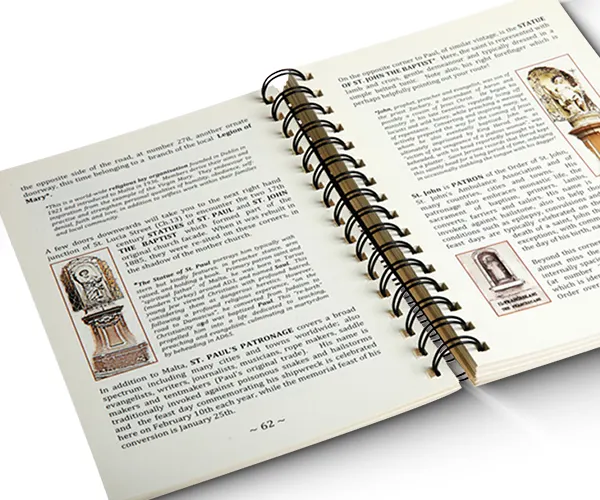
Books that combine text with photographs, illustrations, or diagrams on the same pages need heavier paper to support image reproduction. While cream paper will not deliver the same color vibrancy as coated art paper, it works well for books where the images support the text rather than being the primary focus, such as history books, travel memoirs, cookbooks with occasional photos, or educational texts. 100 gsm is suitable for light illustration, while 120 or 150 gsm handles denser image content without show-through.
Cream Paper vs. White Uncoated Paper
Both are uncoated, absorbent, and printable with standard inks. The only difference is color tone, but that difference matters more than you might expect.
- Reader comfort: Cream paper reduces eye strain during extended reading. Most traditional publishers use cream for novels and nonfiction precisely for this reason.
- Color accuracy: The warm tint shifts all printed colors slightly toward yellow. For books with color-critical images (art books, photography), white coated paper is a better choice.
- Perceived quality: Cream paper signals “book” in a way that bright white does not. Readers associate cream-toned pages with traditional publishing and literary quality.
- Writing use: Both are equally writable. For journals and notebooks, the choice between cream and white is purely aesthetic.
If your book is primarily text with few or no images, cream paper is almost always the better choice. If your book depends on accurate color reproduction, use white coated paper instead.
Cream Paper and Book Design
When designing for cream paper, keep in mind that the warm paper tone affects how all colors appear. Black text looks slightly softer and warmer than on white paper, which is part of the appeal. If you include any color elements (chapter headings, drop caps, illustrations), request a printed proof to see how the colors interact with the cream background before committing to a full run.
Related Resources