 Book Printing in China
 Custom Card Decks
 Custom Holographic Cards
 Free Wall Calendar Template
 Free Desk Calendar Template
 Folding Cartons
 Rigid Boxes
 Corrugated Boxes
 Custom Board Game
 Custom Card Game
 Kickstarter Print Solutions
Uncoated Paper (Offset Paper)
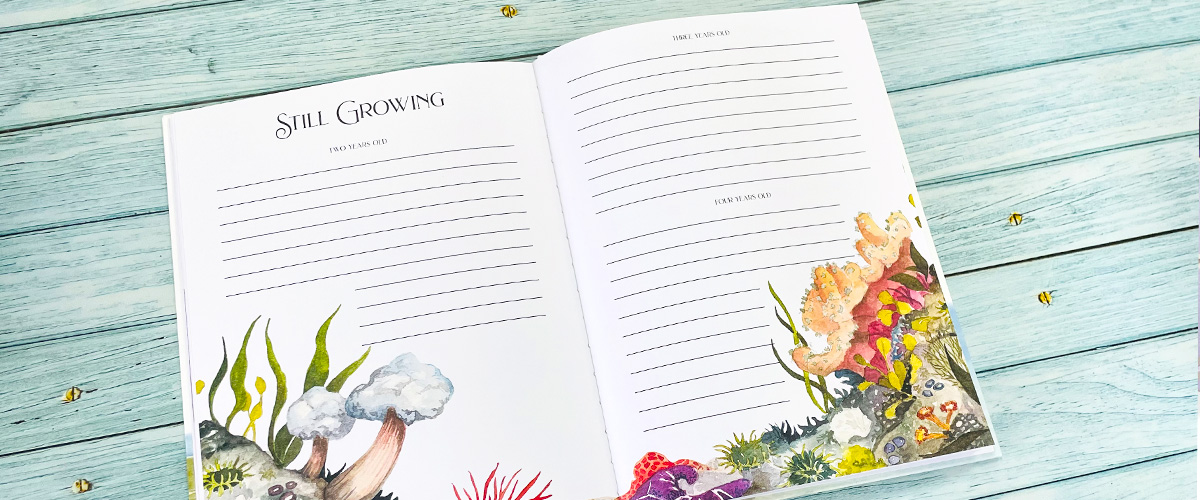
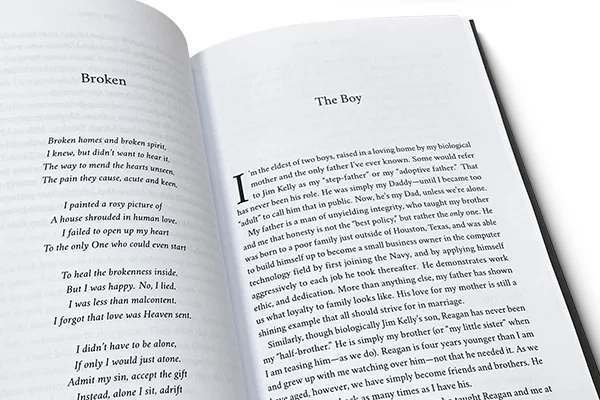
Uncoated paper, also called offset paper, is paper that has not been treated with a mineral or polymer surface coating. The fibers remain exposed, giving the paper a natural texture and a slightly rougher feel compared to coated art paper. Because the surface is absorbent, ink soaks into the fibers rather than sitting on top, which produces a softer, more muted appearance for printed images but excellent readability for text.
Uncoated paper is the standard choice for text-heavy books, coloring books, journals, workbooks, and any product where the reader needs to write, draw, or interact with the page. It is also a more eco-friendly option than coated paper, as it uses fewer chemical treatments during manufacturing.
Available Weights and Thickness
| Weight (gsm) | Approx. lb Equivalent | Approx. Thickness | Typical Use |
|---|---|---|---|
| 70 gsm | 47 lb text | 0.080 mm | Lightweight book interiors, workbooks |
| 80 gsm | 54 lb text | 0.097 mm | Standard book interiors, comics (B&W) |
| 100 gsm | 68 lb text | 0.118 mm | Coloring books, activity books |
| 120 gsm | 81 lb text | 0.140 mm | Brochure covers, envelopes, journals |
| 140 gsm | 95 lb text | 0.160 mm | Hardcover end sheets (standard) |
| 160 gsm | 108 lb text | 0.183 mm | Coloring book interiors (anti-bleed), end sheets |
| 180 gsm | 122 lb text | 0.200 mm | End sheets for large or thick books |
At the same gsm weight, uncoated paper is slightly thicker than coated paper because the fibers are not compressed by a surface coating. This means a 100-page book printed on 100 gsm uncoated paper will have a thicker spine than the same book on 105 gsm coated paper.
Best Uses for Uncoated Paper
- Novels, memoirs, and text-heavy nonfiction: the natural surface reduces glare and eye strain, making it comfortable for extended reading.
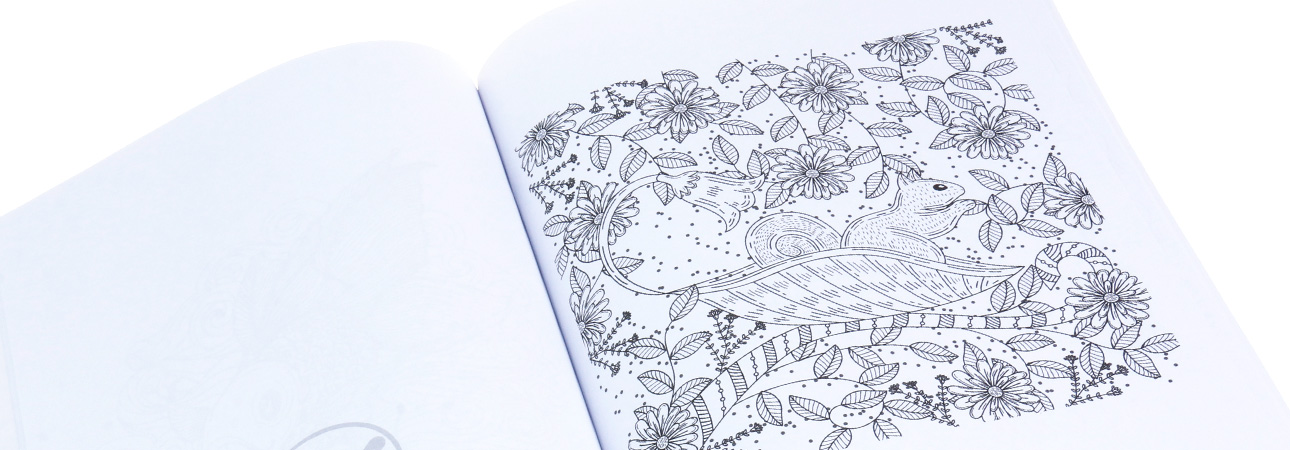
- Coloring books and activity books: pencils, crayons, and markers adhere well to the absorbent surface. For coloring books, use 160 gsm to prevent ink bleed-through.
- Journals, planners, and notebooks: the writable surface accepts ballpoint pen, fountain pen, and pencil without smearing or feathering.
- Workbooks and educational materials: students can write, highlight, and annotate directly on the pages.
- End sheets for hardcover books: 140 to 180 gsm uncoated paper is the standard material for connecting the book block to the hardcover case.
- Envelopes and letterheads: the natural texture gives printed stationery a classic, professional feel.
When Not to Use Uncoated Paper
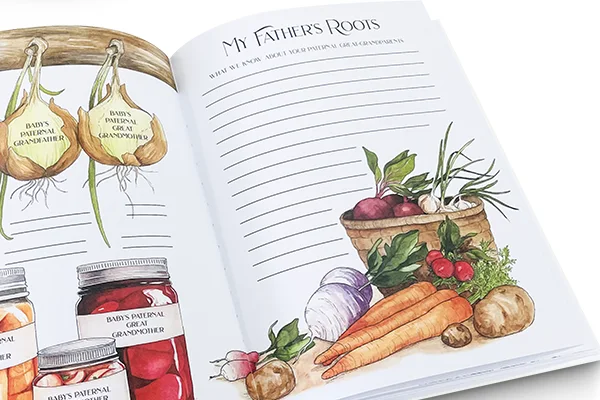
- Full-color photography or illustration: colors appear less vibrant on uncoated paper because the ink is absorbed into the fibers. Use coated paper instead.
- Products that need moisture resistance: uncoated paper absorbs moisture more readily than coated paper and is not suitable for products exposed to wet environments.
Uncoated Paper vs. Coated Paper
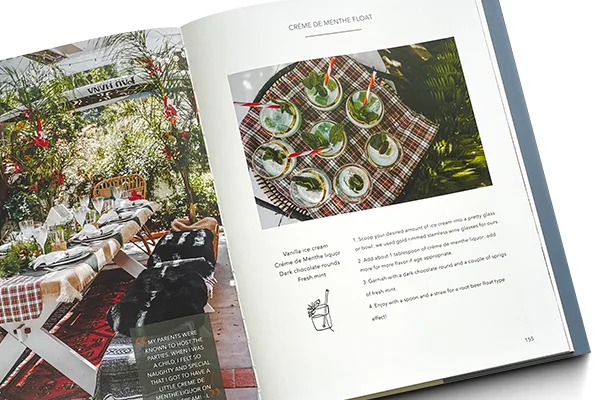
The choice between coated and uncoated paper comes down to content type. If your book is primarily photographs or full-color illustrations, coated paper will deliver better results. If your book is primarily text, or if readers need to write on the pages, uncoated paper is the better choice. Many projects combine both: coated paper for image-heavy sections and uncoated paper for text pages or interactive sections.
Uncoated Paper vs. Cream Paper
Both are uncoated, but they differ in color. Standard uncoated paper is bright white, while cream paper has a warm, yellowish tint. Cream paper is preferred for Bibles, novels, and extended-reading books because the warm tone reduces eye strain. White uncoated paper is better for coloring books, workbooks, and any product where color accuracy on the page matters.
Related Resources