 Book Printing in China
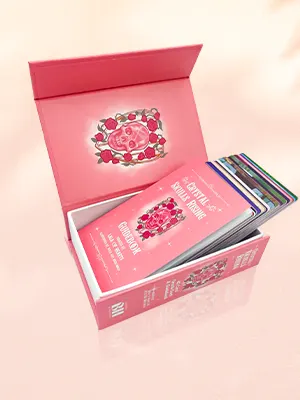 Custom Card Decks
 Custom Holographic Cards
 Free Wall Calendar Template
 Free Desk Calendar Template
 Folding Cartons
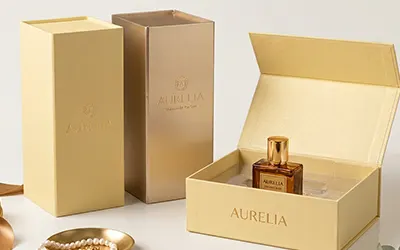 Rigid Boxes
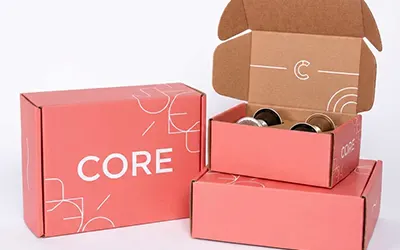 Corrugated Boxes
 Custom Board Game
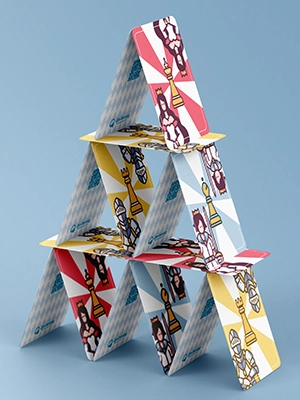 Custom Card Game
 Kickstarter Print Solutions
Overprint Varnish
Overprint varnish (OPV) is a clear, unpigmented coating applied through the press’s ink train in the same pass as CMYK printing, requiring no additional equipment or production steps. It is the simplest and most affordable finishing option in offset printing. OPV provides modest protection against fingerprints, scuffing, and ink rub-off, without significantly altering the appearance or feel of the page. It is most commonly used on book interior pages.

How Overprint Varnish Works
In a standard offset press run, sheets pass sequentially through four ink units—cyan, magenta, yellow, and black. When overprint varnish is specified, a fifth printing plate is prepared: either a flood plate covering the entire sheet, or a spot plate targeting selected areas. The varnish is loaded into a fifth ink unit, and as sheets exit the CMYK units, they pass through the varnish unit in the same continuous run—no interruption, no secondary pass.
Because OPV is formulated as an ink rather than a coating, it transfers through the same plate-to-blanket-to-paper mechanism as CMYK. It contains no photoinitiators and requires no curing equipment—no UV lamps, no infrared tunnels. Drying occurs through two passive processes: absorption into the paper fiber structure, and oxidative polymerization of the oil-based vehicle as it reacts with ambient air. Both processes happen simultaneously and at the same rate as the underlying ink layers. The result is a thin, transparent coating on the printed surface that does not dramatically change the look or feel of the page.
This is what makes OPV the most cost-effective varnish option: it adds no equipment setup, no additional drying time, and minimal material cost to the overall print run.
Finish Options
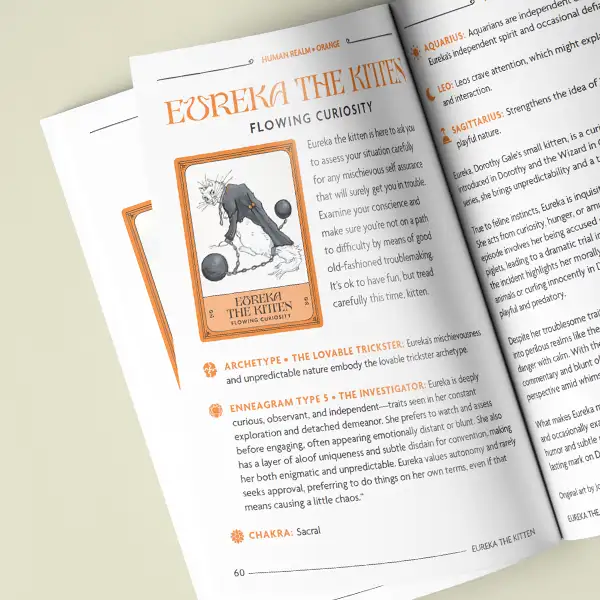
Gloss Overprint Varnish
Gloss overprint varnish adds a subtle sheen to the printed surface. The effect is mild compared to inline UV varnish or aqueous coating—it will not produce a high-gloss, reflective finish. What it does is lightly enhance color saturation and add a slight visual depth to images and solid color areas.
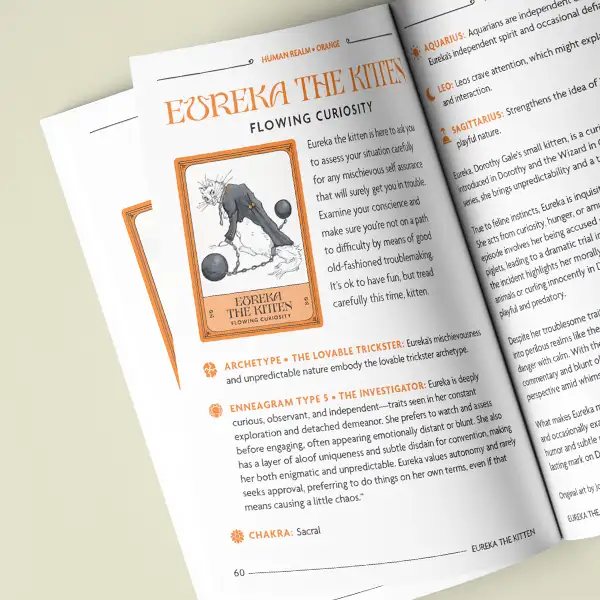
Matte Overprint Varnish
Matte overprint varnish reduces surface glare and gives the page a soft, low-sheen appearance. It is used when the design calls for a muted, non-reflective finish while still adding a basic layer of surface protection.
Spot and Flood Application
Flood varnish: The varnish covers the entire printed surface of the page. This is the most common application for book interiors where overall surface protection is the goal.
Spot varnish: The varnish is applied only to selected areas—such as photographs, illustrations, or graphics—while leaving the rest of the page uncoated. Spot application requires a dedicated printing plate for the varnish layer. This technique can be used to subtly highlight specific images or design elements within a page layout.
Note: Among the varnish options offered on standard offset presses, only overprint varnish supports spot application. Inline UV varnish and infrared varnish are both flood coat only. UV coating and sand UV coating, applied on UV offset presses, also support spot application.
Specifications
| Specification | Detail |
|---|---|
| Process | Inline — applied on the offset press during CMYK printing |
| Drying method | Absorption + oxidative drying (same as CMYK ink) |
| Finish options | Gloss, matte |
| Application | Flood (entire page) or spot (selected areas) |
| Paper weight range | 80–200 gsm |
| Coating thickness | Thin — the thinnest of all varnish options |
| Protection level | Light — basic protection against fingerprints, scuffing, and ink rub-off |
| Cost | Lowest of all varnish options |
Common Applications
- Book interiors with full-color illustrations, photographs, or large areas of solid ink coverage.
- Art books and photography books where interior pages need light protection without changing the paper’s natural texture.
- Children’s books with colorful, image-heavy pages that will be handled frequently.
- Catalogs and lookbooks where pages contain full-bleed imagery.
- Any printed interior where ink rub-off or fingerprint marks would affect the reading experience.
When to Use Overprint Varnish
- You need basic surface protection on book interiors at the lowest possible cost.
- Your interior pages have heavy ink coverage (dark backgrounds, full-color images) that could smudge or rub off during handling.
- You want a subtle enhancement to image quality without a noticeable “coated” look.
- You want spot (selected-area) varnish on book interior pages. Overprint varnish is the only inline option on standard offset presses that supports spot application — inline UV varnish and infrared varnish are flood coat only.
Overprint Varnish vs. Inline UV Varnish
These are the two inline varnish options most commonly compared for book interiors. Here is how they differ:
| Overprint Varnish | Inline UV Varnish | |
|---|---|---|
| Coating thickness | Thin | Thicker — approximately 3× overprint varnish |
| Gloss level | Subtle | Noticeably higher |
| Protection | Light | Moderate — better scratch and scuff resistance |
| Drying method | Air dry / absorption | UV light curing |
| Paper weight | 80–200 gsm (for book interior paper) | 80–200 gsm (for book interior paper) |
| Spot application | Yes | No — flood coat only |
| Cost | 1× (baseline) | ~3× |
| Best for | Budget-conscious projects needing basic protection, or any project requiring spot (selected-area) varnish | High-end books where image quality justifies the added cost |
File Preparation
If you are applying overprint varnish as a flood coat (entire page), no additional file preparation is needed beyond your standard CMYK print files. We apply the varnish to the full sheet automatically.
If you are applying overprint varnish as a spot coat (selected areas only), you will need to provide a separate varnish layer in your file indicating which areas should receive the coating. This works the same way as preparing a file for spot UV—create a vector layer with solid fill on the areas to be varnished, clearly labeled as the varnish layer. If you are unsure how to set this up, contact us and we will help you prepare your files.
Frequently Asked Questions
Will overprint varnish make my pages look glossy?
No. The effect is very subtle. Overprint varnish adds a slight sheen on gloss paper and a very mild surface difference on matte or uncoated paper. If you want a noticeably glossy result, use inline UV varnish instead.
Can overprint varnish be applied to uncoated paper?
Yes. Overprint varnish works on both coated and uncoated paper. However, on uncoated paper, the varnish absorbs more into the fibers, and the visual and protective effect is reduced.
Is overprint varnish the same as aqueous coating?
No. Overprint varnish is an ink-based coating applied through the press’s ink train. Aqueous coating is a water-based coating applied on a separate offline coating machine. Aqueous coating is thicker, provides stronger protection, and is more expensive. They are different products applied using different equipment.
Can I apply overprint varnish to book covers?
Overprint varnish is not recommended for book covers. Covers need stronger protection than overprint varnish can provide. For covers, we recommend lamination (gloss, matte, or soft-touch) for the best durability and appearance.
Does overprint varnish affect the paper’s texture?
Minimally. Because the coating is so thin, the underlying paper texture remains largely unchanged. This is one reason overprint varnish is preferred for book interiors where preserving the natural paper feel is important.
Have questions about whether overprint varnish is the right choice for your project? Contact us at [email protected]. We can provide sample pages with and without varnish so you can compare the difference.
When to Consider Other Options
- Need stronger protection or higher gloss? → Inline UV Varnish
- Card decks requiring shuffling? → Infrared Varnish
- Metallic or specialty cardstock? → UV Coating
- Card decks requiring thicker protection? → Aqueous Coating