Embossing: A Complete Guide
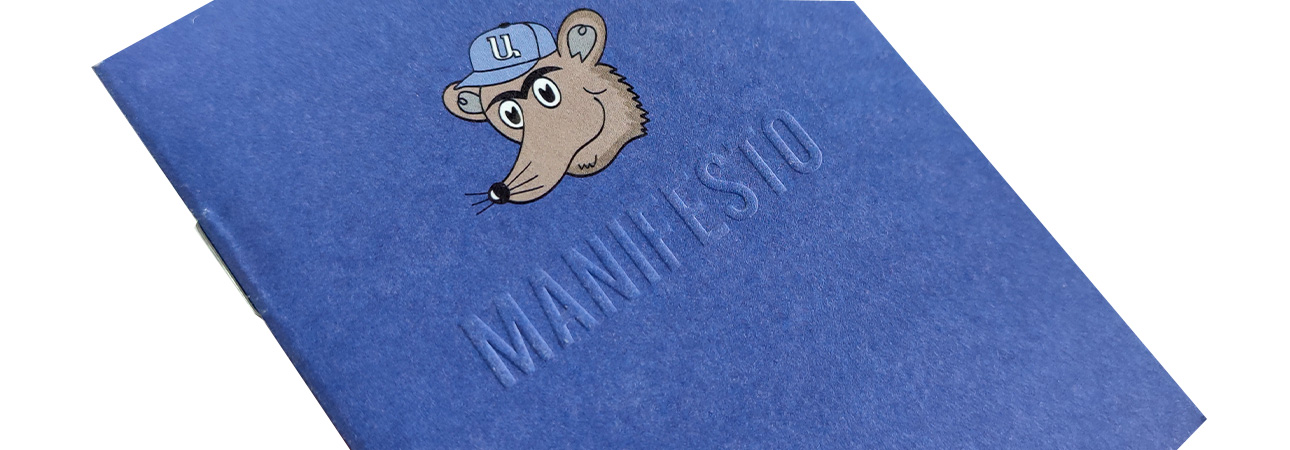
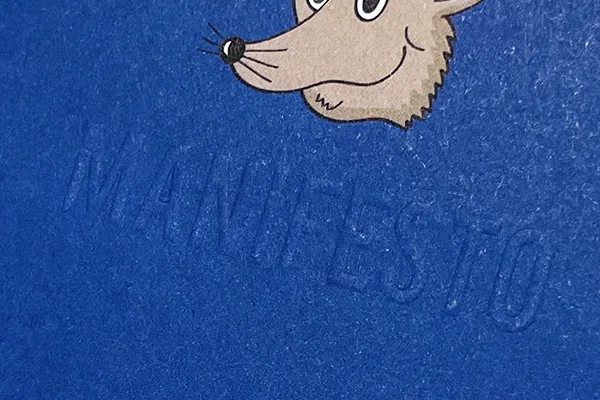
A raised title on a hardcover book. A logo that lifts off the surface of a rigid box. A pattern you can trace with your fingers before you even open the package. That’s embossing—a finishing technique that turns flat print into something sculptural.
What Is Embossing?
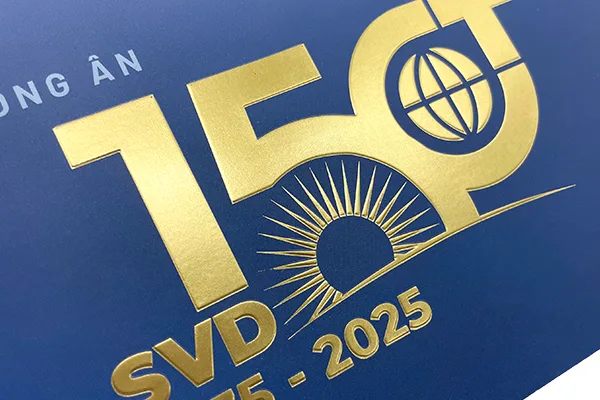
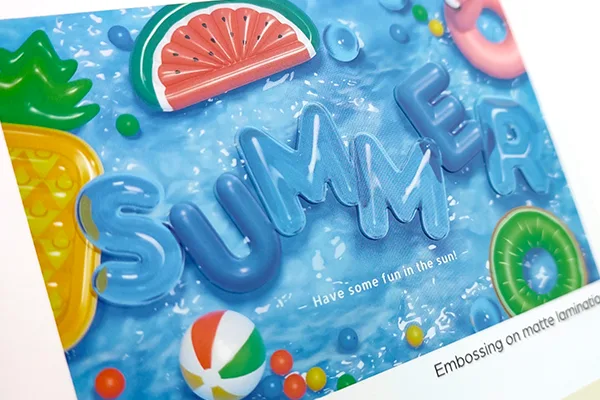
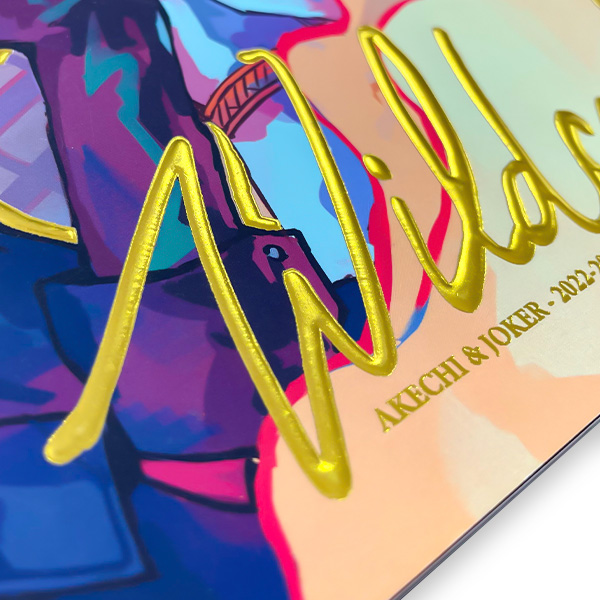
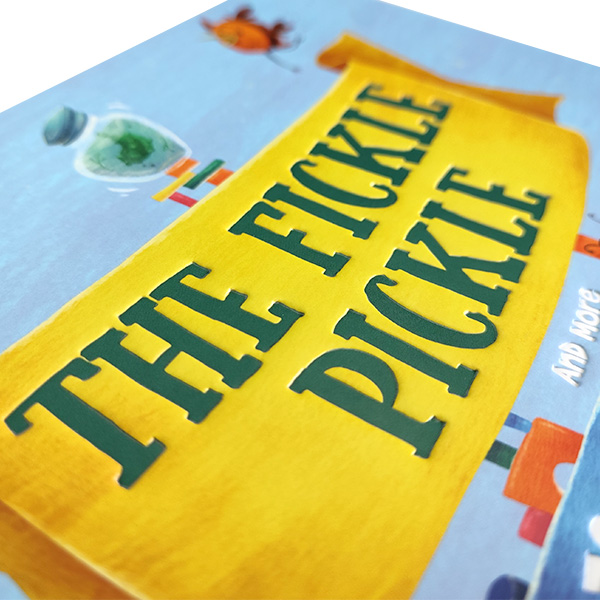
Embossing is a finishing technique that raises a design element—such as text, a logo, or a pattern—above the surface of a printed material, creating a three-dimensional, tactile effect. The paper is physically reshaped by pressing it between two custom-made dies (a male and female pair), causing the design to push outward from the front of the sheet.
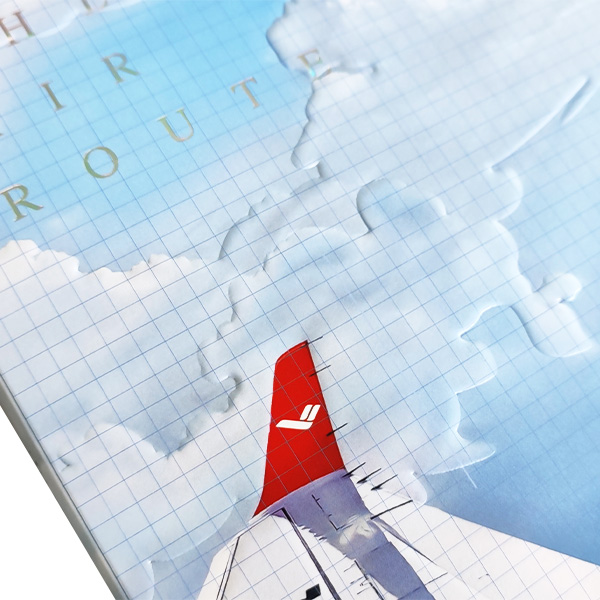
The result is a design element that catches light, casts subtle shadows, and invites touch. Embossing transforms a flat printed surface into something sculptural, adding a layer of craftsmanship and premium quality that signals attention to detail.
How Embossing Works
The process uses two precisely aligned dies:
- A female die (recessed): Typically made from engraved metal, this die contains the negative of your design.
- A male die (raised): Usually made from resin material, this sits opposite the female die and pushes the paper into it.
- The printed sheet is placed between the dies and pressed with controlled force. The paper is permanently reshaped into a raised, three-dimensional form.
The depth and clarity of the emboss depend on the die quality, the pressure applied, and the substrate. Heavier paper stocks accept deeper, more defined embossing than thinner ones. Smooth, laminated papers also produce sharper results than unlaminated stocks.
An important production note: Grayboard and double-mounted cardboard (two sheets laminated together, producing a very rigid substrate) cannot be embossed directly—the material is too stiff to reshape cleanly under the die. If your project uses printed paper wrapped on grayboard, as is standard for hardcover book cases and rigid boxes, the embossing must be applied to the printed paper first, before it is mounted onto the board. Getting this sequence wrong can result in cracking, weak impressions, or adhesion failure. Our production team handles this automatically, so you don’t need to worry about it—but it’s useful to understand why embossing on these products is done at the paper stage rather than after assembly.
Types of Embossing
Advantages of Embossing
- Immediate visual impact: Raised elements catch light and shadow, drawing the eye naturally to titles, logos, and brand marks.
- Tactile engagement: People instinctively want to touch an embossed surface. This physical interaction creates a stronger emotional connection with your product.
- Perceived value: Embossing signals quality and craftsmanship. Products with embossed finishes are perceived as more premium, which can justify higher price points.
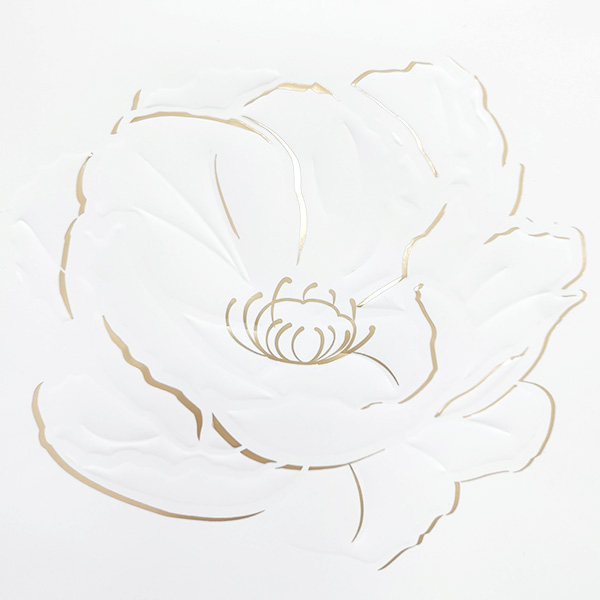
- Versatile combinations: Embossing works beautifully alongside foil stamping, spot UV, and debossing for layered, multidimensional designs.
- Durability: The physical reshaping of the paper is permanent. Unlike ink or coating, an embossed impression doesn’t wear off over time.
Popular Applications
- Art and coffee-table books: Embossed titles or cover illustrations on matte or soft-touch surfaces are a hallmark of premium publishing.
- Luxury catalogs: Fashion, jewelry, and high-end lifestyle brands use embossed logos and section headers to communicate exclusivity.
- Custom packaging: Rigid boxes and folding cartons with embossed brand marks and decorative elements elevate the unboxing experience.
- Board games: Embossed box lids and covers convey quality and distinction—especially important for deluxe editions and crowdfunded projects.
Embossing vs. Debossing: A Quick Comparison
Embossing raises the design above the surface; debossing presses it inward. Both use the same type of dies and machinery, and both add tactile dimension to your product. The choice depends on the aesthetic you’re after: embossing is bolder and more immediately visible, while debossing is more subtle and understated. Many designers use both on the same product for contrast.
How to Prepare Your Design Files
- Create a dedicated emboss layer: Place all elements to be embossed on a separate layer in your design file, labeled “Emboss” or “Die.”
- Use vector artwork: All embossed elements must be vector-based for accurate die production.
- Minimum detail size: Keep line weights at 0.5 mm or above and text at 8 pt or larger. Very fine details may not produce a clean raised effect.
- Maximum area: Each embossing area can be up to approximately 8″ × 10″. For larger areas, please contact us in advance.
- Assign a spot color: Use a distinct spot color to identify emboss areas in your file—this keeps them clearly separated from your CMYK artwork.
Embossing at QinPrinting
At QinPrinting, our prepress team reviews every file to ensure your design will translate cleanly into a physical impression. Whether you’re creating a blind embossed hardcover or a foil-embossed packaging design, we’re here to help you get it right.
Want to see and feel the effect for yourself? Order a sample pack and explore embossed finishes on a range of substrates.