 Book Printing in China
 Custom Card Decks
 Custom Holographic Cards
 Free Wall Calendar Template
 Free Desk Calendar Template
 Folding Cartons
 Rigid Boxes
 Corrugated Boxes
 Custom Board Game
 Custom Card Game
 Kickstarter Print Solutions
UV Coating & Sand UV Coating
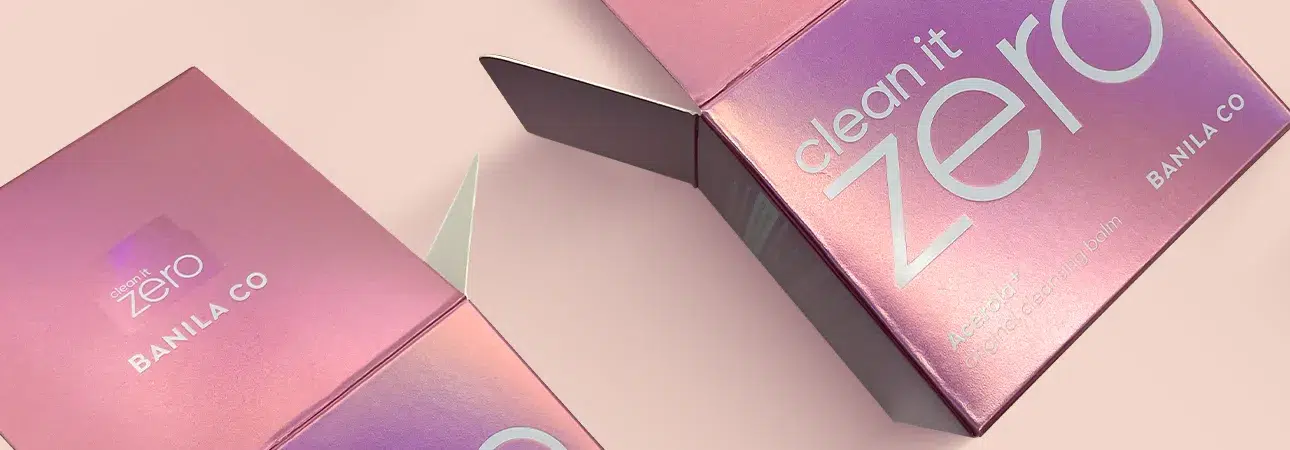
UV coating and sand UV coating are inline coatings applied on UV offset printing presses. These are not the same presses used for standard offset printing—UV offset presses use UV-curable inks for CMYK printing, and the coating is applied and cured in the same pass.
This process exists because certain specialty cardstock materials cannot be printed on standard offset presses. Metallic cardstock (gold, silver, holographic), pearlescent paper, and soft-touch paper all require UV-curable inks to achieve proper adhesion and color accuracy. When printing on these materials, UV coating or sand UV coating is applied as part of the same production run.
UV coating produces a high-gloss finish with strong surface protection, making it a practical choice for packaging and products that will be handled frequently.
Important distinction: UV coating on a UV offset press is different from inline UV varnish on a standard offset press. UV coating and sand UV coating support both spot and flood application — they can be applied to selected areas. Inline UV varnish (described on a separate page) is flood coat only.
How UV Coating & Sand UV Coating Work
The production process is similar to inline UV varnish, but everything happens on a UV offset press rather than a standard offset press. The sheet passes through the CMYK ink units, which use UV-curable inks instead of conventional inks. After the four color units, the sheet enters a coating unit where the UV coating or sand UV coating is applied. The coated sheet then passes through a UV light tunnel that instantly cures both the ink and the coating.
The reason UV-curable inks are necessary for specialty cardstock is that conventional offset inks dry through absorption and oxidation—processes that depend on the paper surface being porous enough to absorb the ink vehicle. Metallic, pearlescent, and soft-touch cardstocks have non-porous or specially treated surfaces that do not absorb conventional inks properly. UV-curable inks do not rely on absorption; they are cured by UV light into a solid film on top of the surface, regardless of the substrate’s porosity.
Two Coating Types

UV Coating
UV coating produces a smooth, high-gloss finish. The surface is hard, durable, and highly resistant to scratching and scuffing. It provides excellent protection for products that will be displayed on retail shelves, handled by consumers, or transported in bulk.
One important characteristic: UV coating can feel slightly tacky compared to infrared varnish. This makes it unsuitable for card decks that require smooth shuffling. The cards may stick together slightly during shuffling, which affects gameplay. For this reason, UV coating is recommended for packaging and display products, not for playing cards or game cards.
Sand UV Coating (Textured UV Coating)
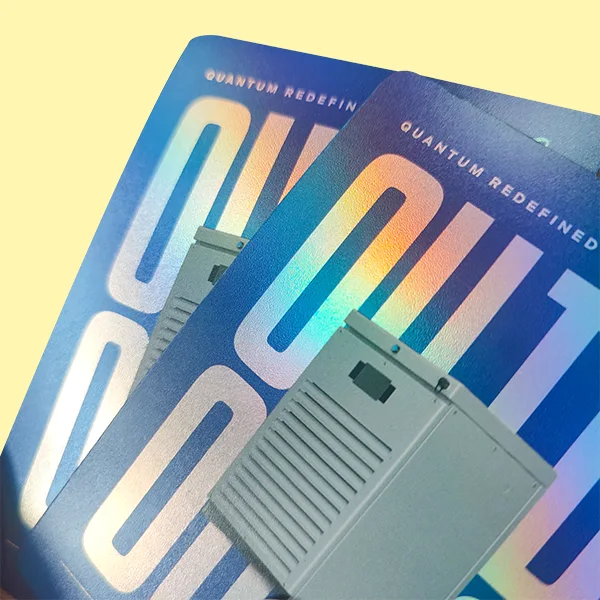
Sand UV coating—also called textured UV coating or grit UV coating—produces a surface with a fine, gritty texture. The coating contains microscopic particles that create a tactile, sandpaper-like feel. This texture adds a distinctive, premium touch to packaging and printed products.
Sand UV coating is suited for folding boxes, tags, and trading cards where the textured surface enhances the product’s visual and tactile appeal. Unlike standard UV coating, the textured surface of sand UV does not feel tacky, making it a viable option for trading cards that are collected and handled but not shuffled like playing cards.
Spot and Flood Application
Flood coating: The coating covers the entire printed surface. This is the standard application for folding boxes and packaging where uniform surface protection is needed.
Spot coating: The coating is applied only to selected areas. Spot UV coating on specialty cardstock can create dramatic visual contrast—for example, glossy UV highlights on a matte metallic or soft-touch background. Spot sand UV can add selective texture to specific design elements. When using spot coating on packaging, leave the glue flap and bonding areas uncoated. UV coating and sand UV coating on glue flaps will weaken the adhesive bond and may cause the box to come apart.
Specifications
| Specification | Detail |
|---|---|
| Process | Inline — applied on UV offset press during CMYK printing |
| Press type | UV offset press (not standard offset press) |
| Ink type | UV-curable inks for CMYK |
| Curing method | Ultraviolet (UV) light curing |
| Coating options | UV coating (high gloss) or sand UV coating (textured grit finish) |
| Application | Flood (entire surface) or spot (selected areas) |
| Paper weight range | 100–400 gsm. 100–150 gsm for rigid box wrapping paper; 250–400 gsm for folding boxes, tags, and other products. |
| Compatible materials | Metallic cardstock (gold, silver, holographic), pearlescent paper, soft-touch paper |
| Protection level | High — strong scratch and scuff resistance |
| Gloss level | High gloss |
Common Applications
UV Coating
- Folding boxes printed on metallic or pearlescent cardstock — cosmetic boxes, candle boxes, electronics packaging, luxury retail boxes.
- Rigid box wrapping paper — metallic, pearlescent, or soft-touch wrapping paper printed and coated on a UV offset press before laminating onto grayboard for premium rigid boxes.
- Hang tags and product tags on specialty cardstock.
- Premium packaging where a high-gloss, durable surface is required.
- Any printed product on metallic, pearlescent, or soft-touch paper that needs surface protection.
Sand UV Coating
- Folding boxes where a textured, premium surface feel is part of the brand experience.
- Rigid box wrapping paper — textured wrapping paper for luxury gift boxes, cosmetic packaging, and collector’s edition packaging.
- Trading cards — the grit texture adds a distinctive tactile quality to collectible cards.
- Any product where a fine sandpaper-like texture enhances the design.
Not Recommended For
Playing cards and game cards that require shuffling: UV coating has a slightly tacky surface feel that causes cards to stick together during shuffling. For card decks that will be shuffled, use infrared varnish instead.
Standard paper or cardstock: If your material is a standard coated or uncoated paper (not metallic, pearlescent, or soft-touch), you do not need a UV offset press. Standard offset printing with overprint varnish, inline UV varnish, or aqueous coating will produce better results at lower cost.
Why a UV Offset Press Is Required
This is the most common question about UV coating: why can’t it be done on a standard offset press?
Standard offset presses use conventional inks that dry through absorption into the paper and oxidative drying in the air. This works well on porous papers—coated art paper, uncoated offset paper, and standard cardstock all absorb ink effectively. But metallic cardstock has a foil or metallic layer on the surface. Pearlescent paper has a mineral coating that creates its shimmer. Soft-touch paper has a special surface treatment that gives it its velvety feel. None of these surfaces are porous enough to absorb conventional ink.
UV-curable inks solve this problem. They do not need to be absorbed—they are cured into a solid film on top of the surface by UV light. This means they adhere reliably to any substrate, regardless of surface porosity. The UV coating applied after CMYK printing works the same way: it cures on top of the ink layer as a protective film.
If you are printing on standard paper or cardstock, a UV offset press is not necessary, and we will recommend a more cost-effective process.
UV Coating vs. Sand UV Coating
| UV Coating | Sand UV Coating | |
|---|---|---|
| Surface finish | Smooth, high-gloss | Fine grit texture, matte-like appearance |
| Tactile feel | Hard and glossy, can feel slightly tacky | Rough, sandpaper-like texture |
| Gloss level | High | Low to medium — the texture diffuses light |
| Protection | High — excellent scratch resistance | High — texture adds additional scuff resistance |
| Best for | Packaging boxes, premium tags, products needing high-gloss finish | Packaging boxes, trading cards, products where tactile texture is a design feature |
| Card deck suitability | Not recommended — tacky feel hinders shuffling | Suitable for trading cards (collected, not shuffled) |
File Preparation
File preparation for UV coating and sand UV coating follows the same requirements as standard offset printing: high-resolution PDF files in CMYK color mode with 3 mm bleed.
For spot UV coating or spot sand UV coating, provide a separate layer in your file indicating the areas to be coated. Use a solid fill (typically 100% magenta or a dedicated spot color) on the areas that should receive the coating, and label the layer clearly. The coating layer should be set to overprint.
When printing on metallic or holographic cardstock, keep in mind that the metallic surface will show through unprinted areas. If your design requires white areas on metallic stock, a white ink layer must be specified. Discuss this with us during file preparation.
Frequently Asked Questions
Can I print on metallic cardstock without UV coating?
The UV coating itself is optional—but printing on metallic cardstock requires a UV offset press regardless, because conventional inks cannot adhere to the metallic surface. If you are already printing on a UV offset press, adding UV coating or sand UV coating is a natural and cost-effective addition.
Is UV coating the same as spot UV?
They are related but different. The UV coating described on this page is applied inline on a UV offset press during the CMYK printing pass. Spot UV (as described on our spot UV page) is typically an offline process where a thick UV coating is applied to selected areas on a separate machine after printing. Offline spot UV produces a thicker, more dramatic raised effect. Inline UV coating is thinner but more cost-effective because it requires no additional production step.
Can sand UV coating be applied to standard (non-metallic) cardstock?
Yes, but it is uncommon. Sand UV coating is typically used on specialty cardstock because those materials already require a UV offset press. If you want a textured finish on standard cardstock, discuss the options with us—there may be more cost-effective ways to achieve the effect.
What is the minimum order quantity for UV offset printing?
The typical MOQ is 1,000 pieces, though it depends on the product type and finished size. Contact us with your project specifications for a quote.
Does UV coating work on holographic cardstock?
Yes. Holographic cardstock is one of the materials that requires UV offset printing. UV coating and sand UV coating both work well on holographic surfaces.
How does UV coating differ from inline UV varnish in terms of spot application?
UV coating and sand UV coating (on UV offset presses) DO support spot application — you can apply them to selected areas only. Inline UV varnish (on standard offset presses) is flood coat only and does not support spot application. The two products use similar technology but run on different press types and have different application capabilities.
Planning a project on metallic, pearlescent, or specialty cardstock? Contact us at [email protected]. We can advise on the best coating option and provide printed samples on your chosen material.
When to Consider Other Options
- Standard cardstock (not specialty)? → Aqueous Coating
- Card decks requiring shuffling? → Infrared Varnish
- Book interiors? → Overprint Varnish or Inline UV Varnish