 Book Printing in China
 Custom Card Decks
 Custom Holographic Cards
 Free Wall Calendar Template
 Free Desk Calendar Template
 Folding Cartons
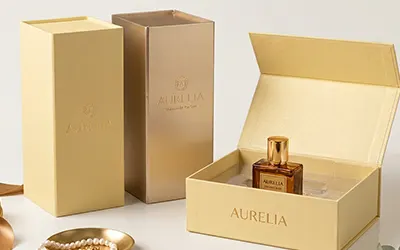 Rigid Boxes
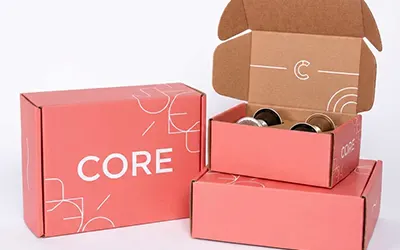 Corrugated Boxes
 Custom Board Game
 Custom Card Game
 Kickstarter Print Solutions

Scratch-Off Printing: A Complete Guide
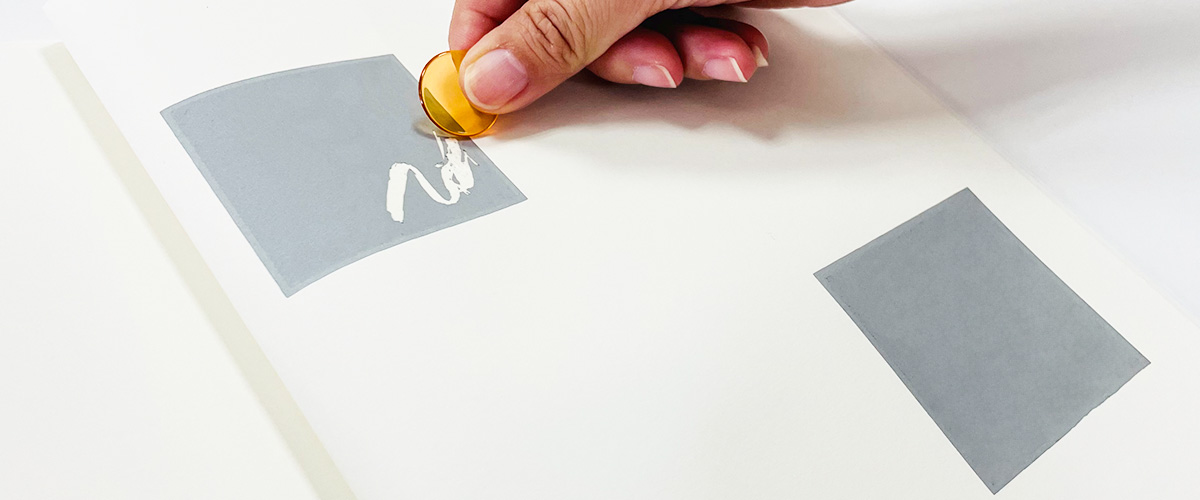
The satisfying scratch of a coin revealing a hidden message isn’t just for lottery tickets anymore. Scratch-off printing has expanded into activity books, card decks, posters, and product packaging—anywhere you want to turn a static printed surface into something interactive.
What Is Scratch-Off Printing?
Scratch-off printing is a specialty technique that applies an opaque, removable coating over a specific area of a printed surface. The coating conceals the content beneath it—whether that’s text, an image, a code, or any other graphic—until the user scratches it off with a coin, fingernail, or similar object.
The concept is familiar from lottery tickets and promotional cards, but scratch-off technology has expanded far beyond those traditional uses. Today, it’s applied to books, card decks, posters, packaging, stickers, and more—anywhere you want to create an element of surprise, interactivity, or gamification in your printed product.
How Scratch-Off Printing Works
- The underlying content (hidden text, image, or code) is printed first using standard CMYK or spot color inks.
- A release layer is applied over the area to be scratched. This layer ensures the scratch-off coating can be removed cleanly without damaging the print beneath.
- The scratch-off coating—an opaque, metallic, or colored layer—is applied on top of the release layer using screen printing technology.
- The coating is cured and the sheet proceeds through the remaining production steps.
The scratch-off material is formulated to be easy to remove with light pressure—firm enough to stay intact during normal handling, but soft enough that a coin or fingernail can scratch it away cleanly.
Scratch-Off Coating Options
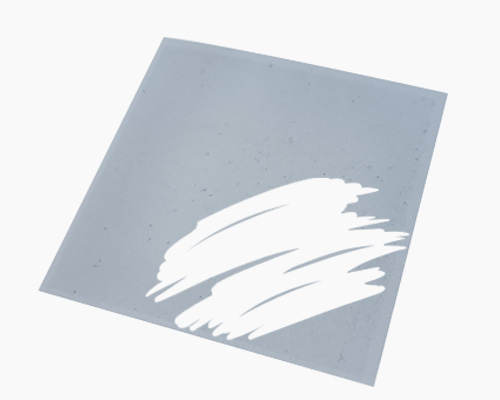
The standard scratch-off coating is a silver-gray metallic, the same finish you’d recognize from lottery tickets. However, other options are available:
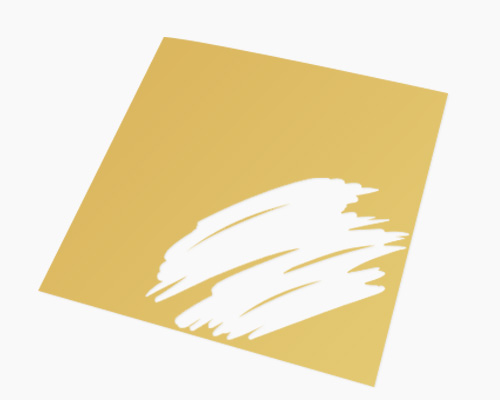
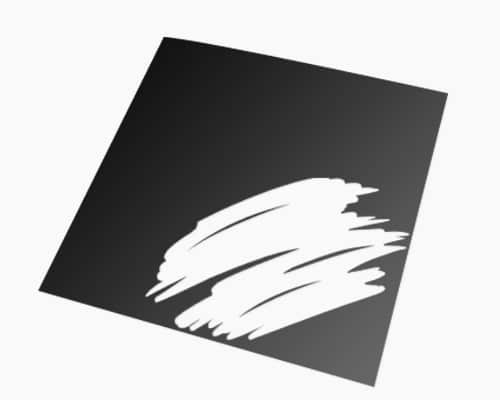
Scratch-off coatings come in several color options:
- Silver metallic: The classic, most widely recognized scratch-off surface.
- Gold metallic: A warm, premium alternative.
- Black: Often used for adult activity books, challenge books, and products where a darker, more dramatic reveal is desired.
Choosing the Right Scratch-Off Hardness
Not all scratch-off coatings feel the same. The hardness of the coating should match the intended use of your product:
- Lottery-style tickets, coupons, and promotional cards: Use a firmer coating that requires moderate pressure to scratch off. This protects the hidden content from being revealed accidentally during handling, storage, or shipping.
- Challenge books, quiz books, and activity cards: Use a softer coating that can be scratched away easily with a fingernail. This makes the experience quick, effortless, and fun for the user, without needing a coin or tool.
- Scratch-off drawing and sketch books: Use a harder, grit-textured coating that gives the user a satisfying, tactile scratching sensation as they create their artwork. The coarser surface adds to the creative experience of revealing the image underneath.
The coating is typically round or rectangular, but custom shapes are possible depending on the die-cutting and screen setup.
Popular Products and Applications
- Scratch-off books: Activity books, quiz books, trivia books, and children’s learning books with scratch-off elements on interior pages. Scratchers are applied before binding, positioned at least 20 mm from the binding and cutting edges.
- Scratch-off card decks: Game cards, trivia cards, flash cards, and promotional card sets where each card reveals hidden answers, scores, or prizes.
- Scratch-off tickets and coupons: Event tickets, promotional coupons, and loyalty cards with scratch-to-reveal offers, discount codes, or prize information.
- Scratch-off stickers: Self-adhesive labels with scratch-off areas, used on product packaging, magazines, and promotional mailers.
- Scratch-off posters: Interactive wall posters—such as travel scratch-off maps or bucket-list posters—where the user scratches off each item as they complete it.
- Scratch-off postcards: Marketing and promotional postcards where the recipient scratches to reveal a special offer or message.
- Scratch-off drawing and sketch books: Books with coated pages that users scratch away to reveal pre-printed artwork or colored surfaces underneath. The scratching process itself becomes the creative activity, making these products popular as gifts, art therapy tools, and children’s activity books.
Design Considerations
- Placement margins: Position scratch-off areas at least 20 mm from binding edges and cutting edges to prevent damage during production.
- Safe zone: Allow an additional 1.5 mm of space around the scratch area as a margin of error for coating placement.
- Hidden content: Ensure all content that needs to be concealed is fully within the scratch-off zone, with at least 1.5 mm of clearance on each edge.
- Background beneath the scratch: Consider what the scratched-off area will look like. The hidden content should be designed to look clean and intentional once revealed.
- Binding compatibility: For books with scratch-off pages, the binding type affects which pages can carry scratchers. Spiral, wire-o, and board book bindings offer the most flexibility. For perfect binding, saddle stitch, and hardcover, scratchers should be positioned on specific pages only to avoid damage during the signature-and-binding process.
How to Prepare Your Design Files
- Create a separate scratch-off layer: Place all scratch-off areas on a dedicated layer in your design file, filled with a named spot color.
- Define the hidden content: Ensure the content beneath the scratch-off area is complete and correctly positioned on your artwork layer.
- Submit as PDF: Export your artwork and scratch-off layer as high-resolution PDFs with 3 mm bleed.
- Specify coating color: Note in your order or file which scratch-off coating color you’d like (silver, gold, or custom).
Related Resources