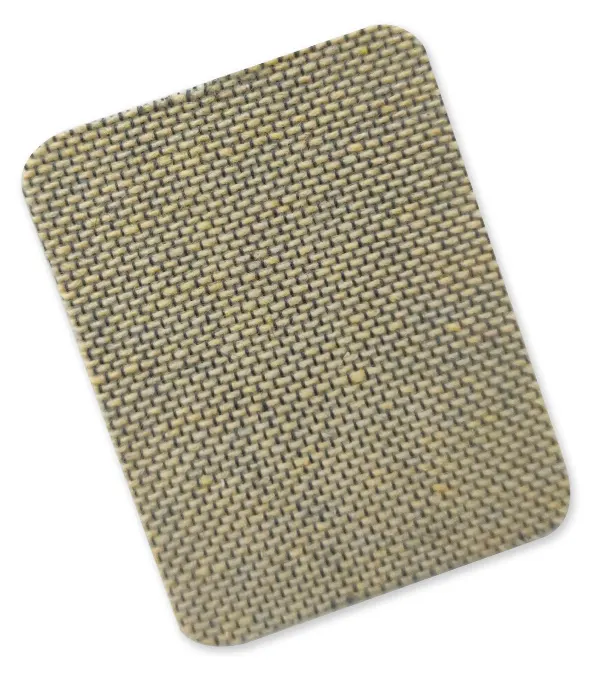
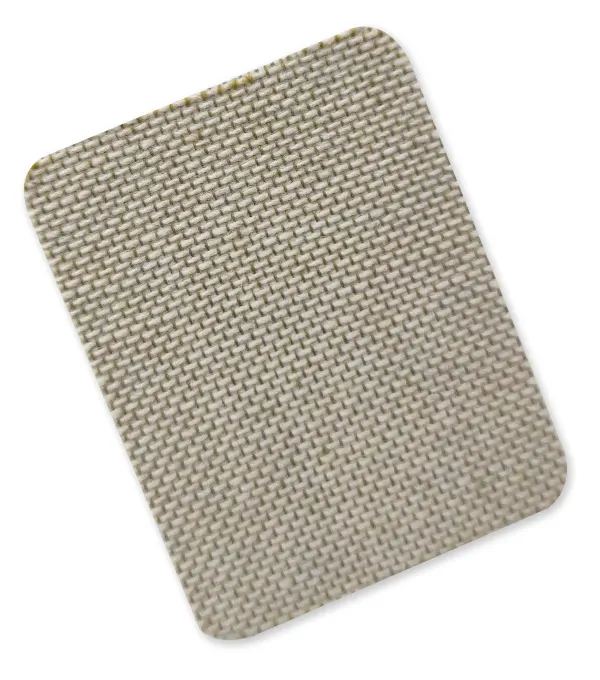
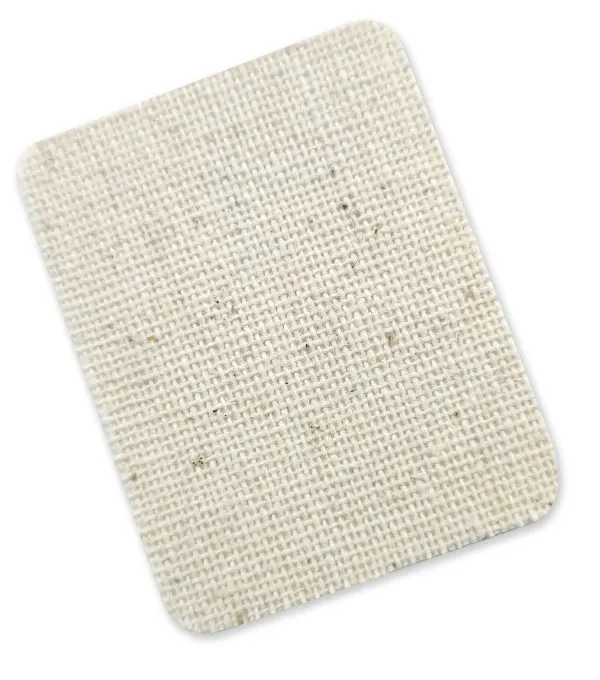
Cloth Materials
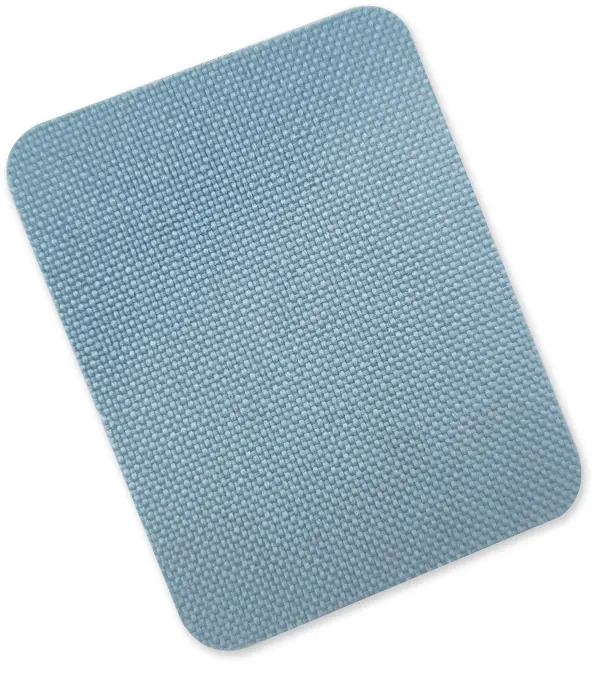
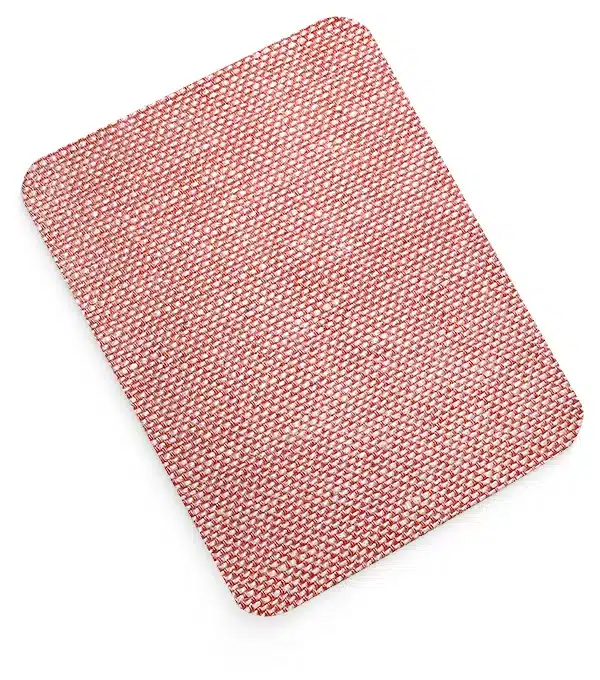
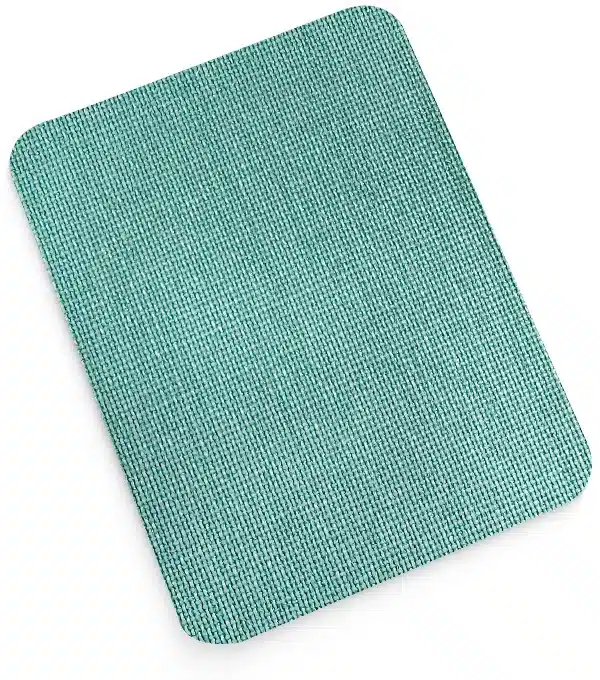
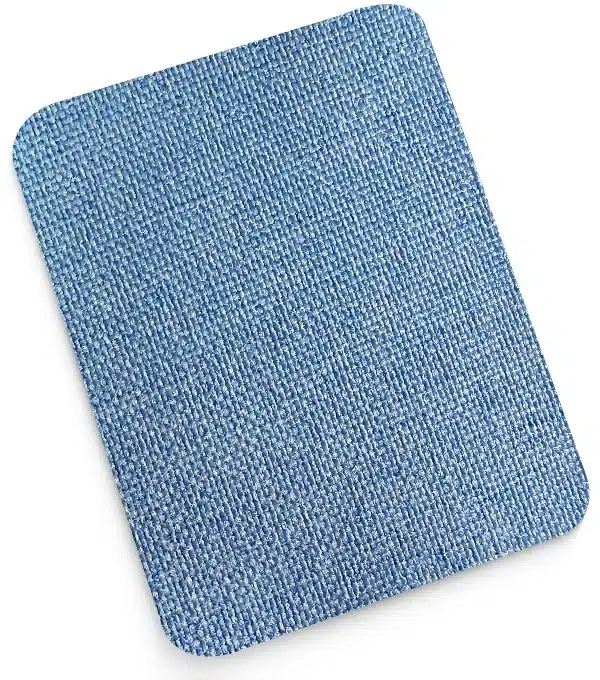
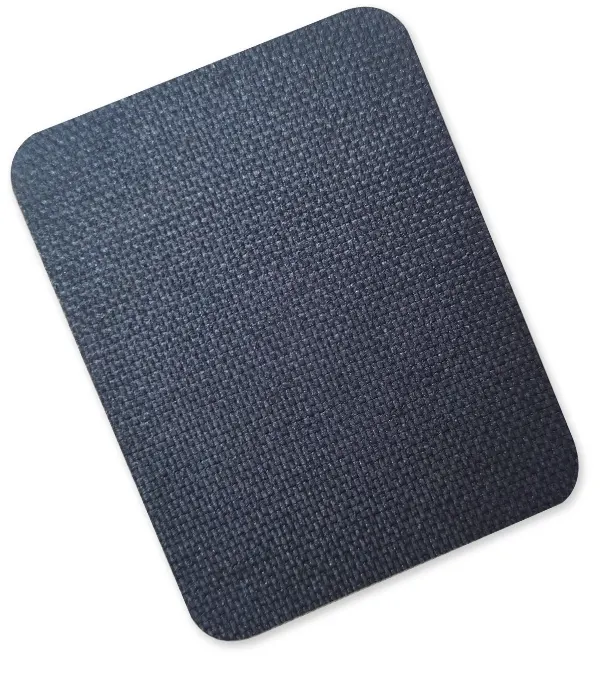
Book cloth is a woven fabric with a paper backing, engineered for wrapping onto rigid board. The paper layer gives it dimensional stability—clean folds, reliable adhesion, no bleed-through—while the woven face delivers the texture, warmth, and handcrafted quality that printed paper cannot replicate.
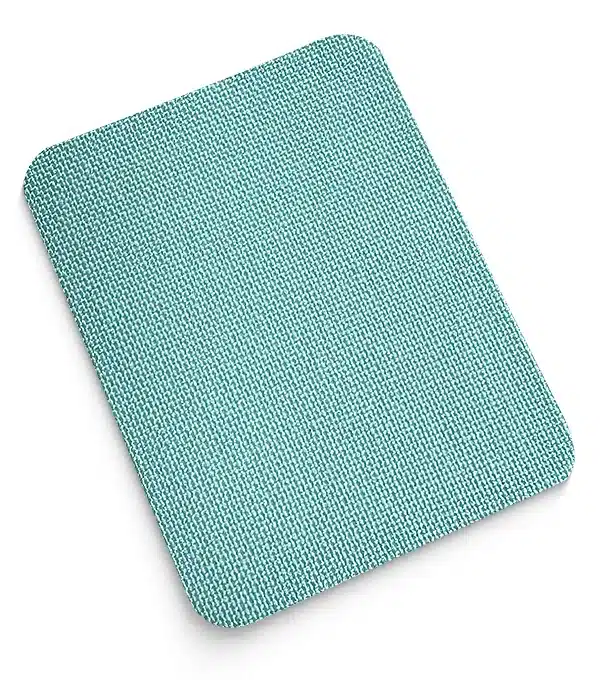
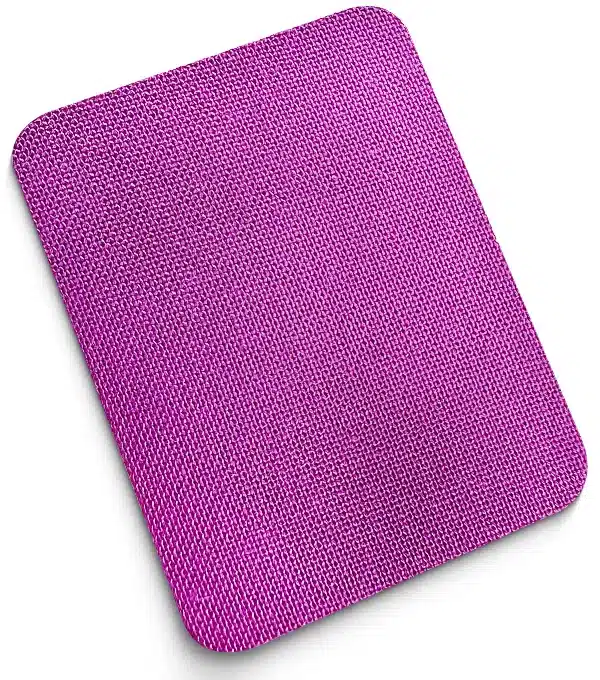
We stock distinct cloth textures, each in a broad palette of colors ranging from muted neutrals to deep jewel tones. The range covers everything from smooth silk-like weaves to coarse, heavily textured buckram.
Cloth Material Gallery
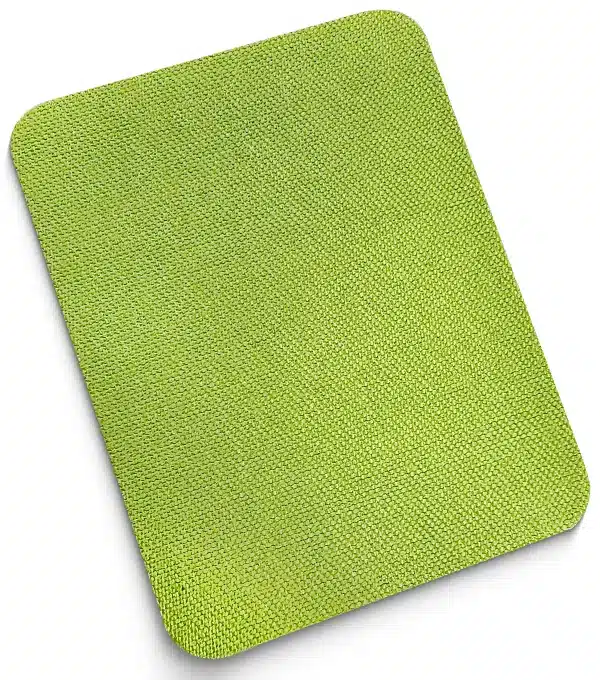
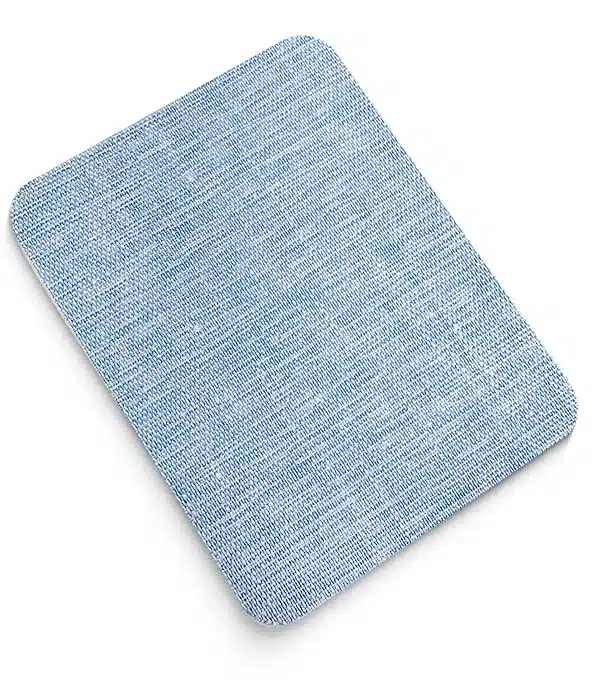
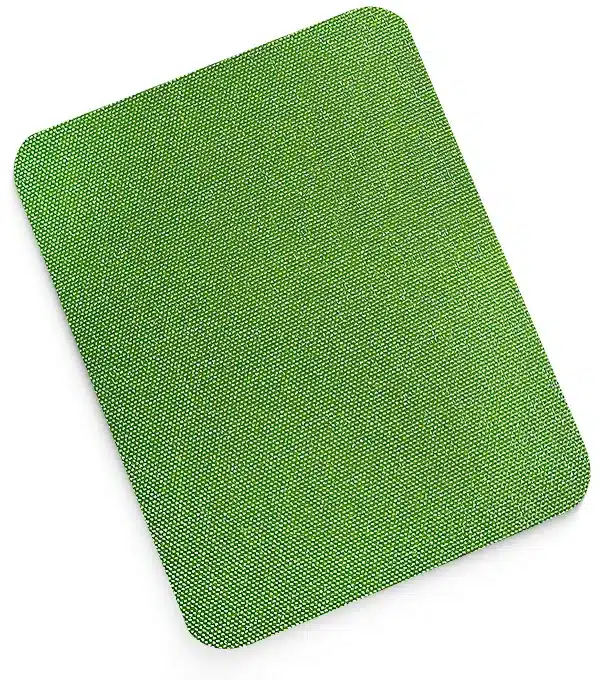
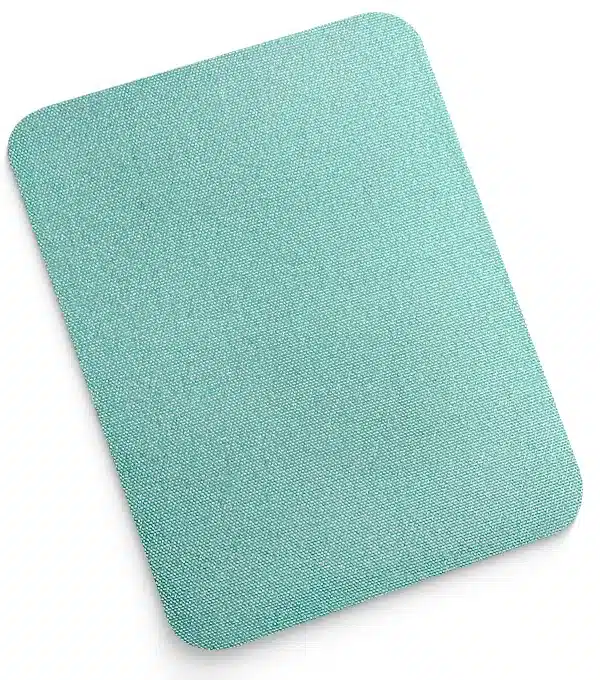
Browse the 17 textures and their color swatches below. Each swatch number corresponds to a specific color in our stock system—quote the number when placing your order.
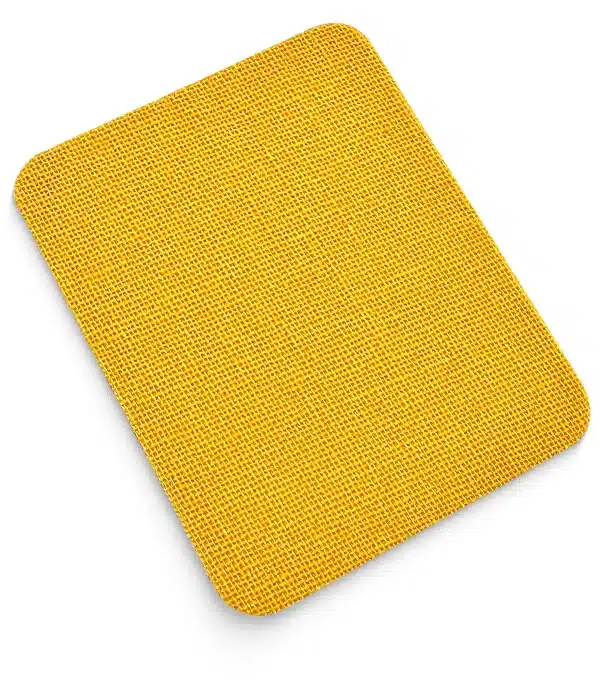
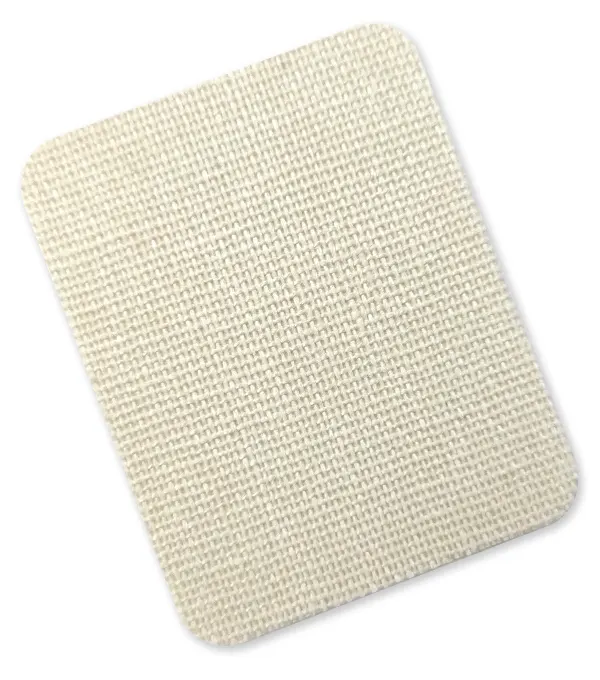
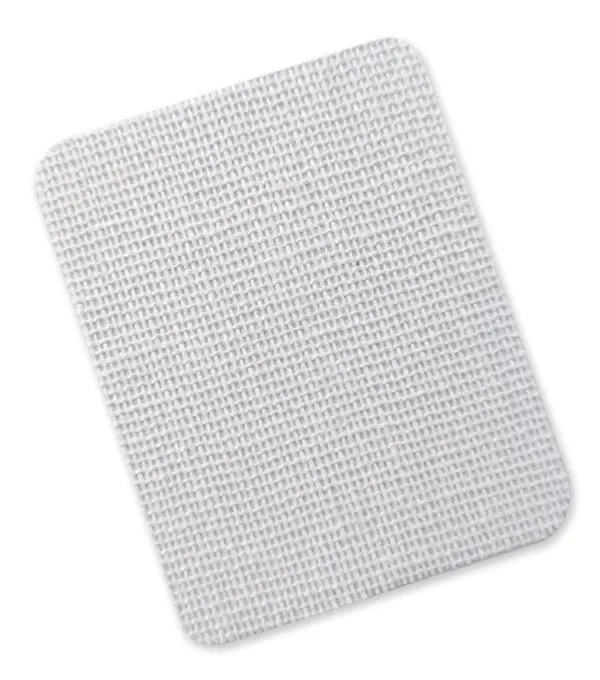
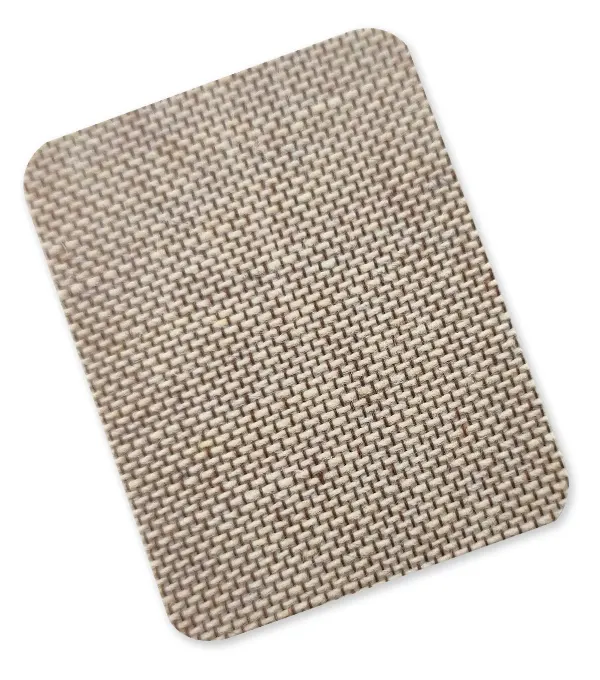
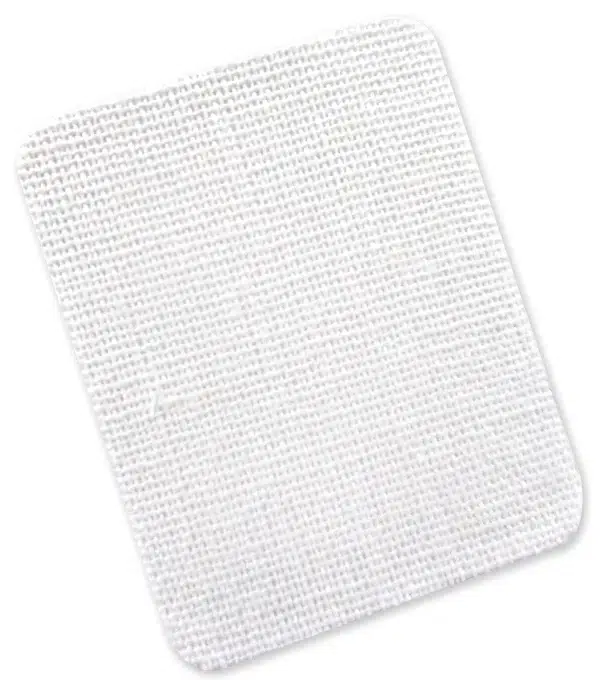
Texture 1: fine woven cloth
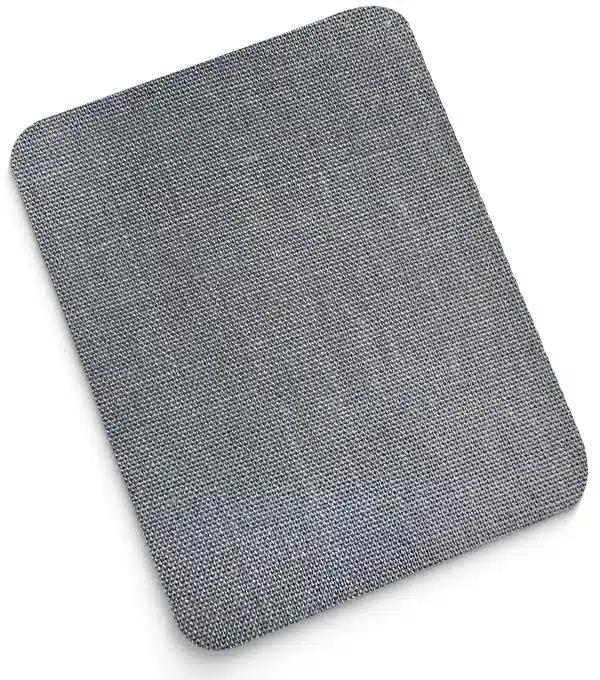
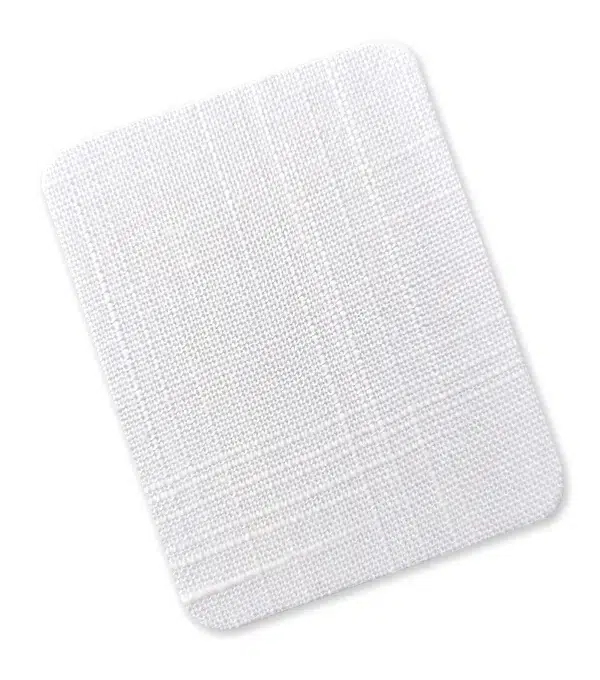
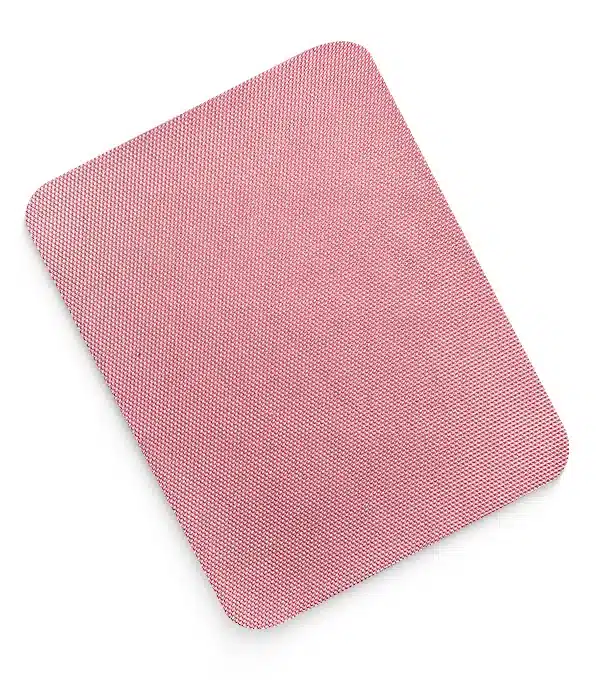
Texture 2: silk-like cloth
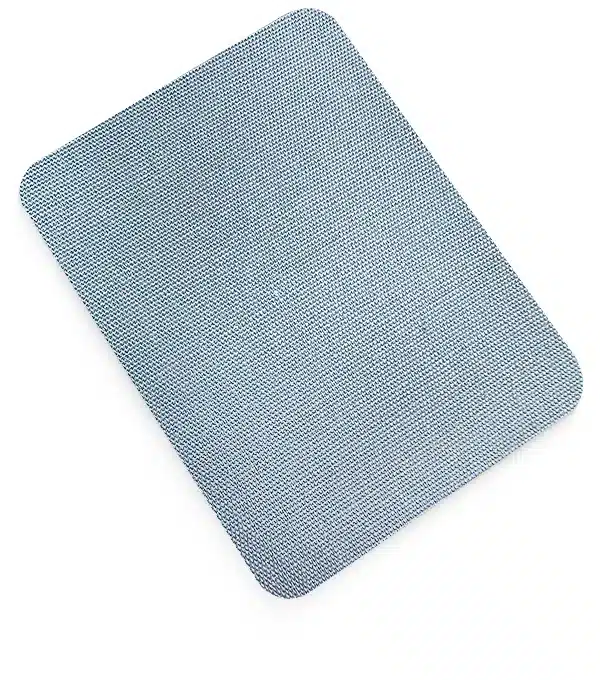
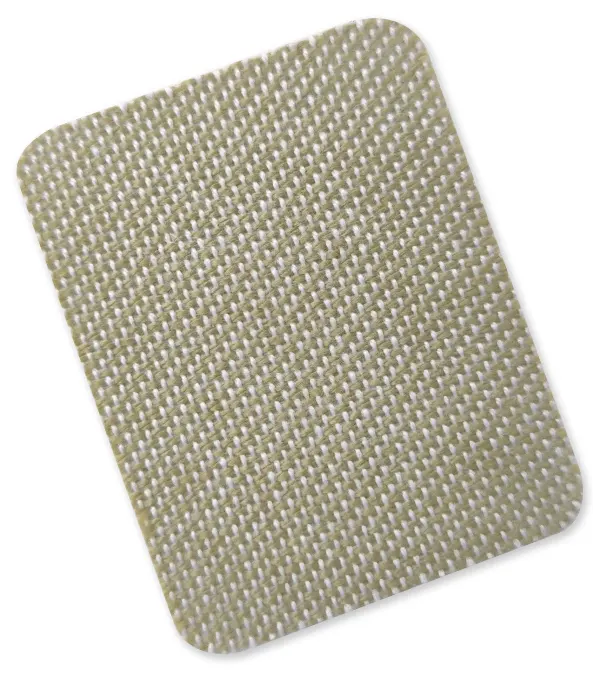
Texture 3: ultra-fine cloth
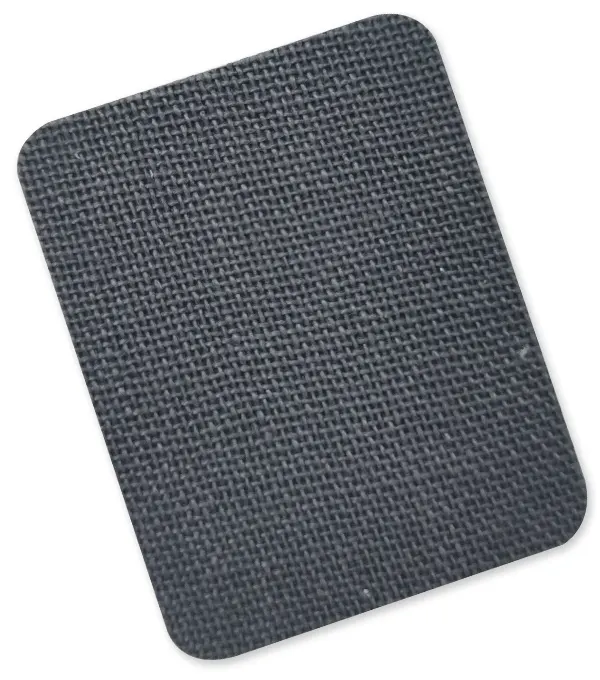
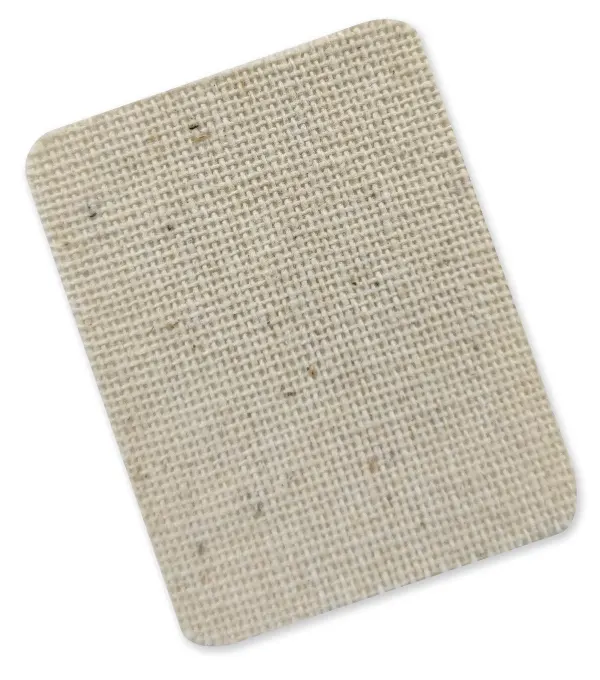
Texture 4: fine-weave cotton cloth
Texture 5: cotton-silk blend cloth
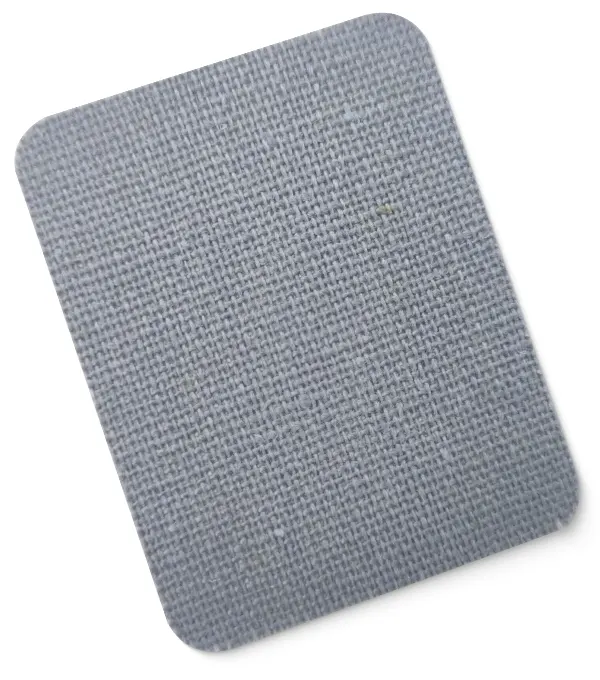
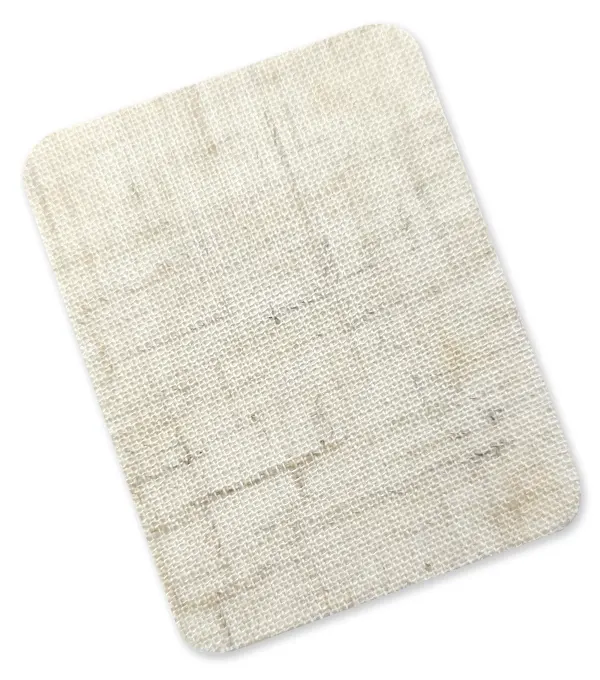
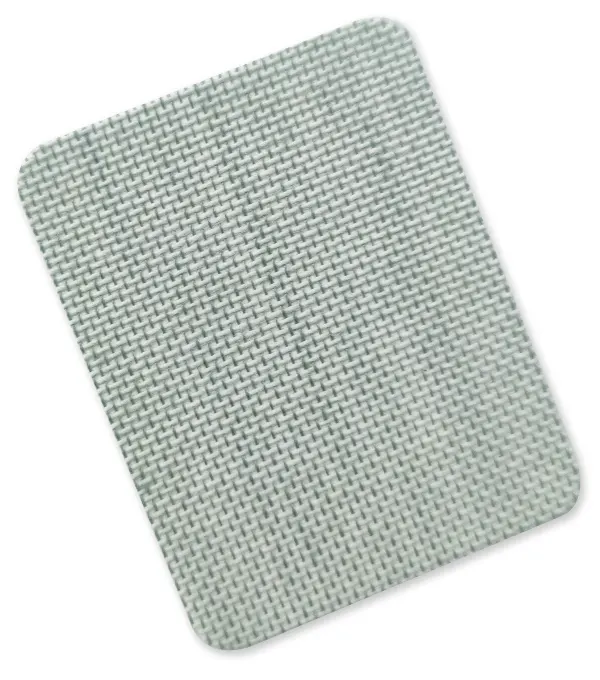
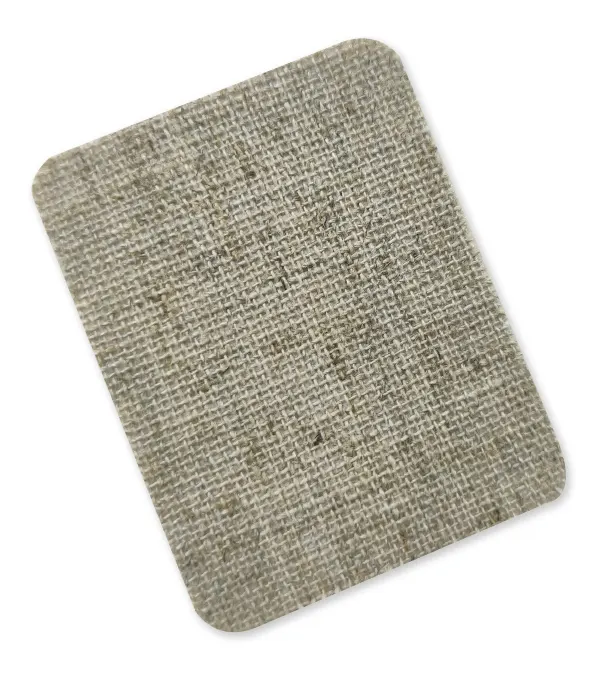
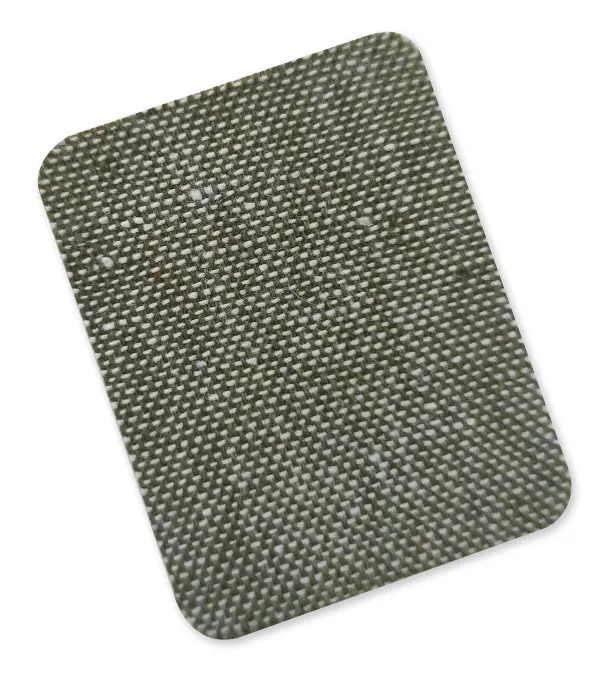
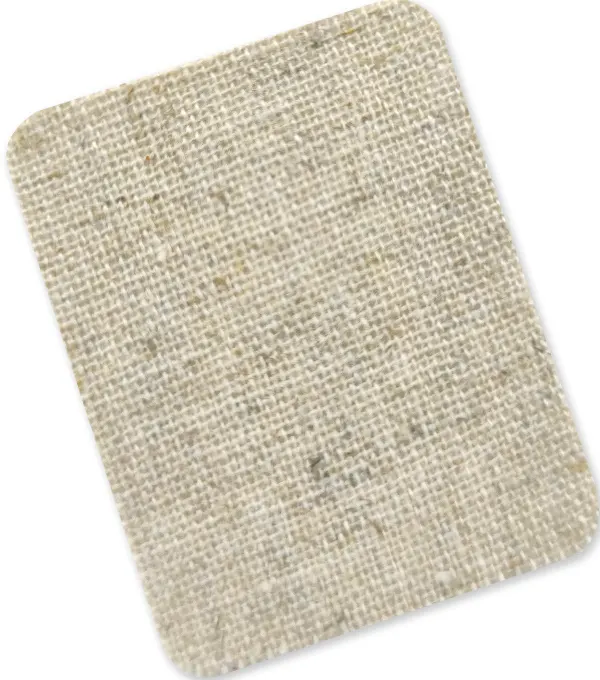
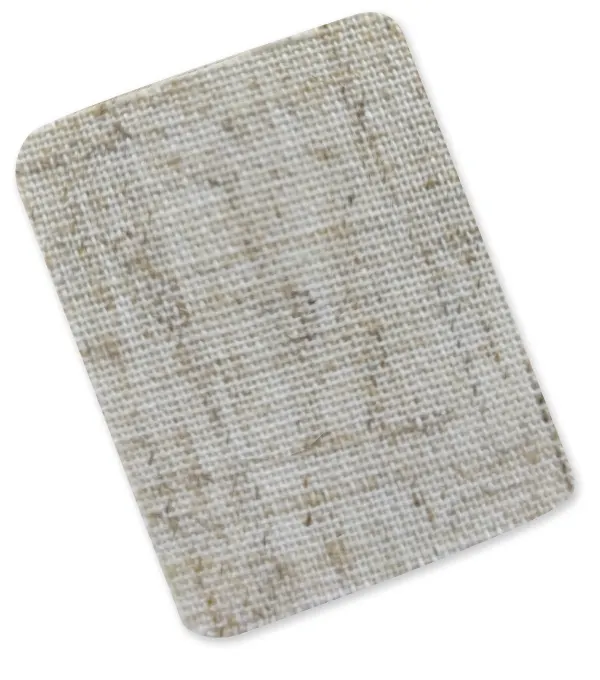
Texture 6: solid-color linen texture
A true linen weave dyed in an even color. It takes foil stamping and inset images well. Blind debossing is possible but less crisp than on finer weaves, so we don’t recommend it.
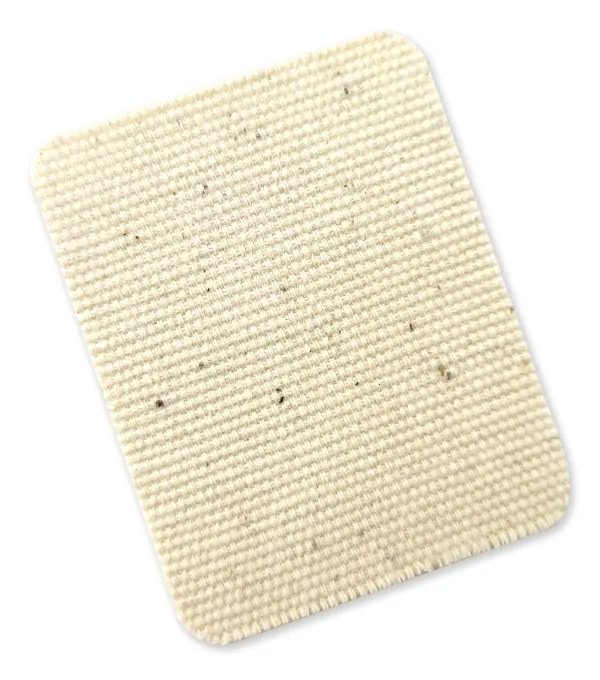
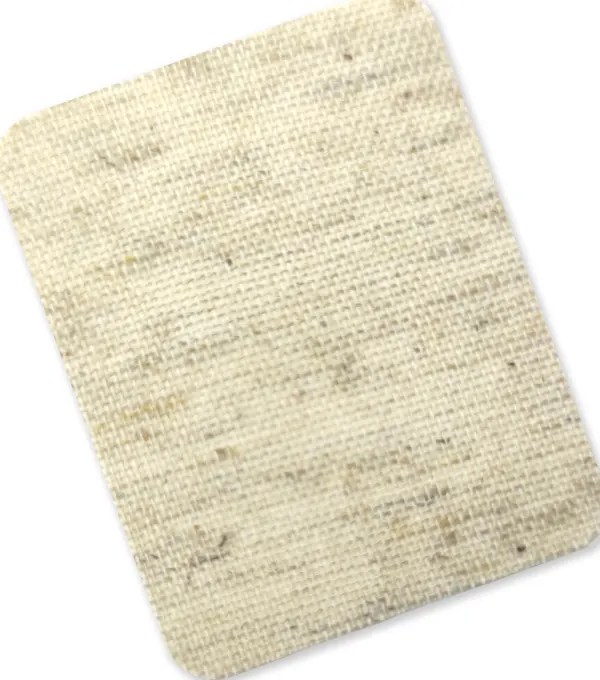
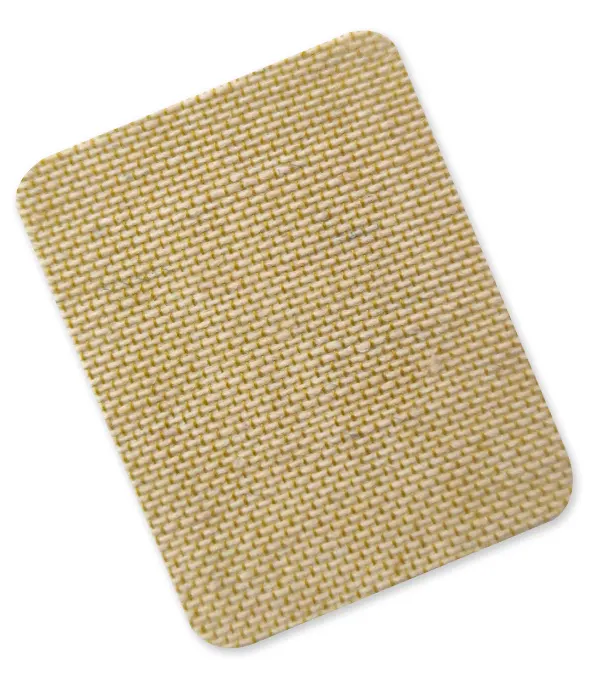
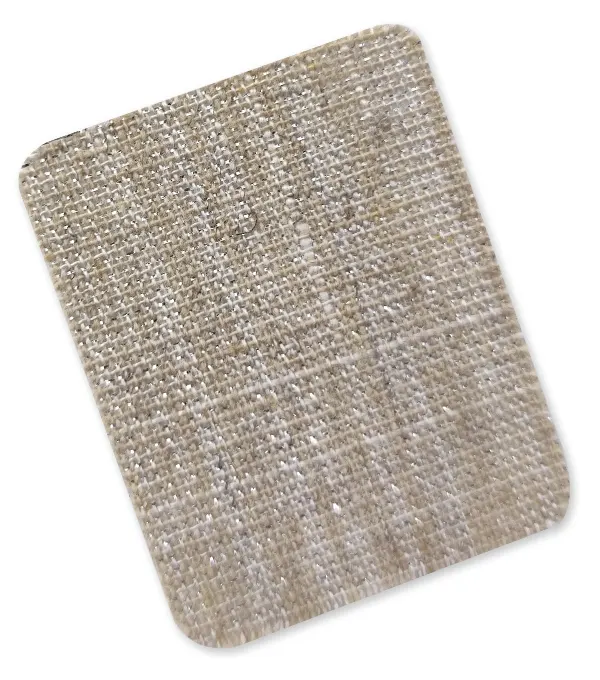
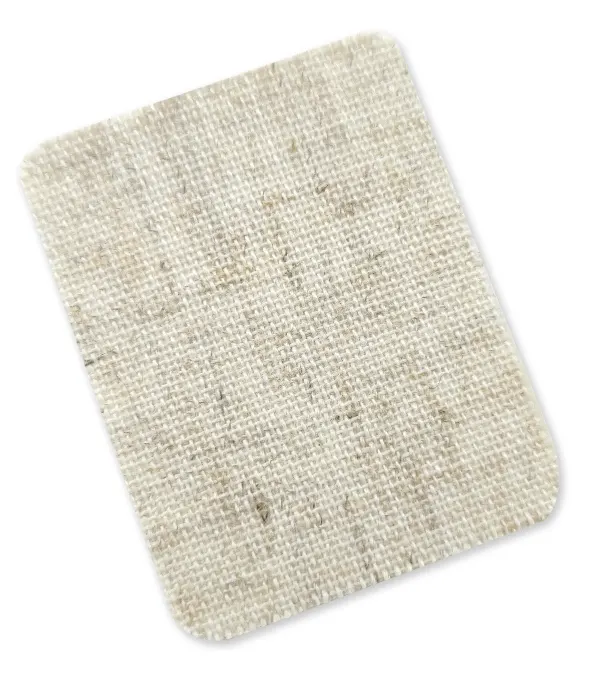
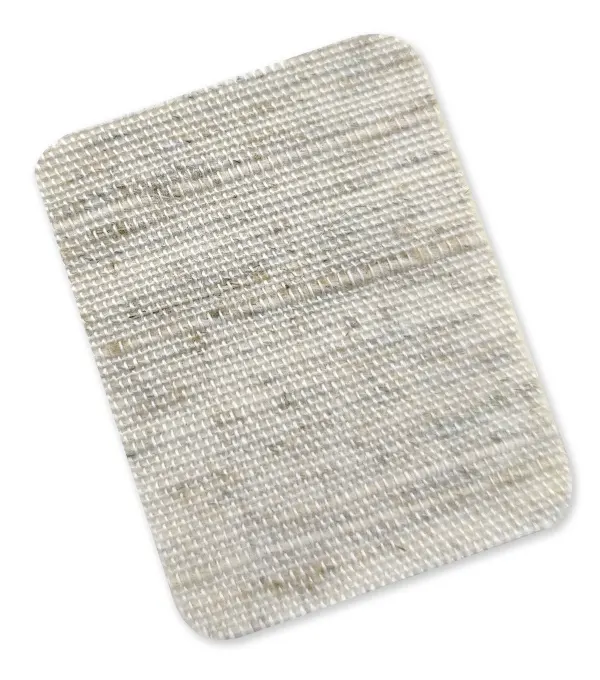
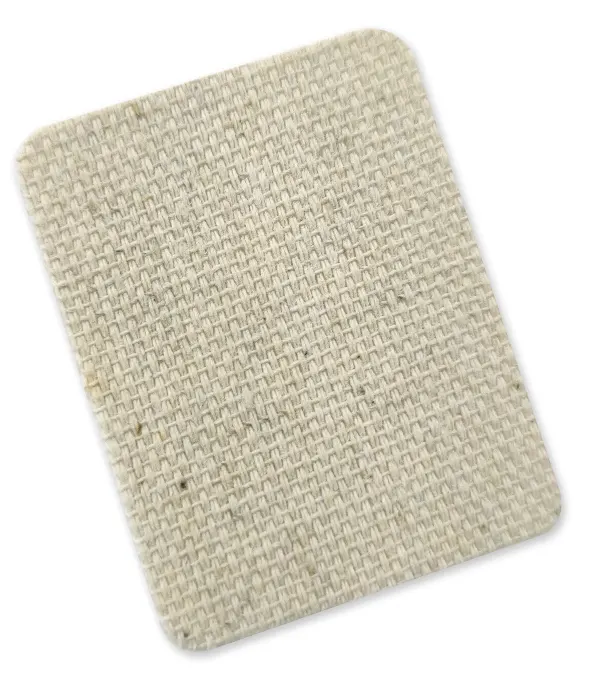
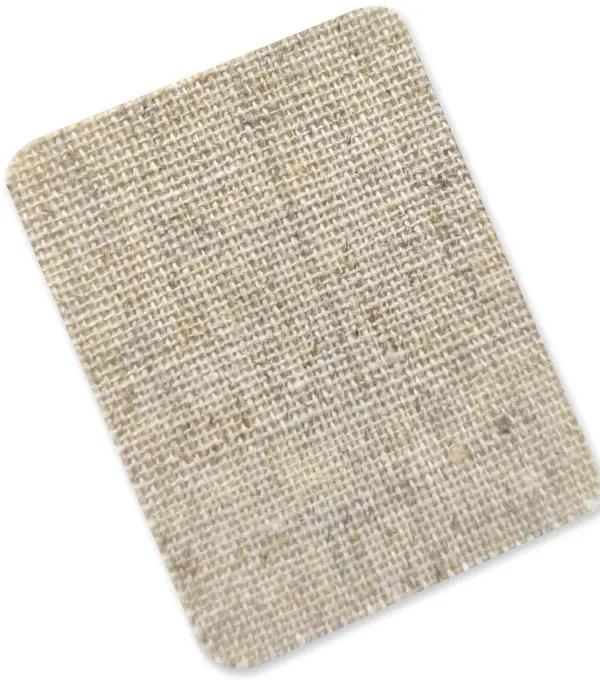
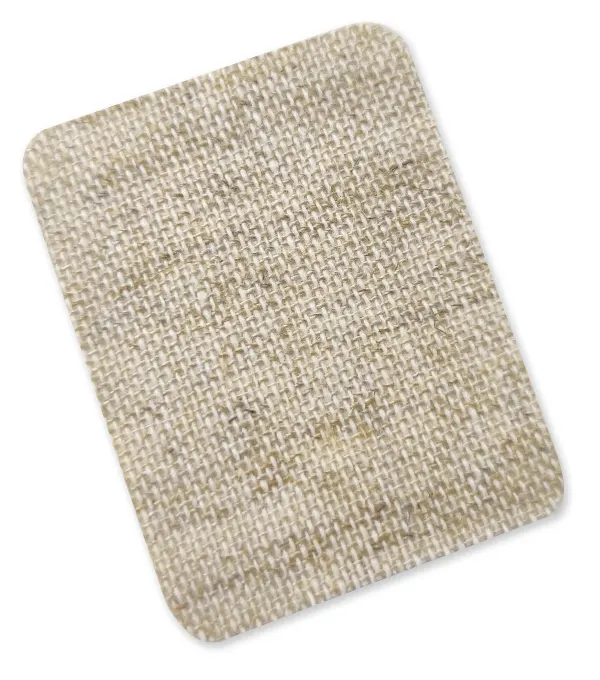
Texture 7: natural linen texture
Linen with the visible slubs and heathered tone of natural flax, for a handcrafted, traditional look. Because the weave is coarse, finish it with hot foil stamping in large type or bold lines, or add an inset image. Blind debossing, small text, and fine lines don’t show clearly on this texture.
Texture 8: shiny silk fabric
Texture 9: Yunfang fabric
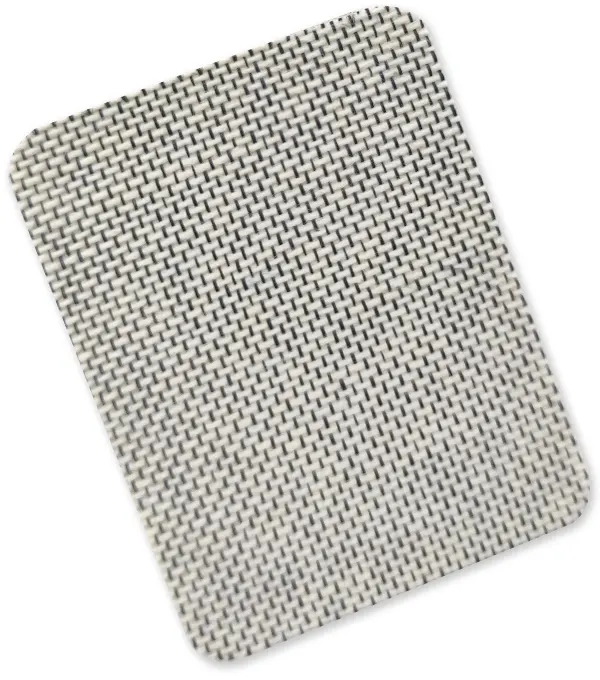
Texture 10: two-tone woven cloth
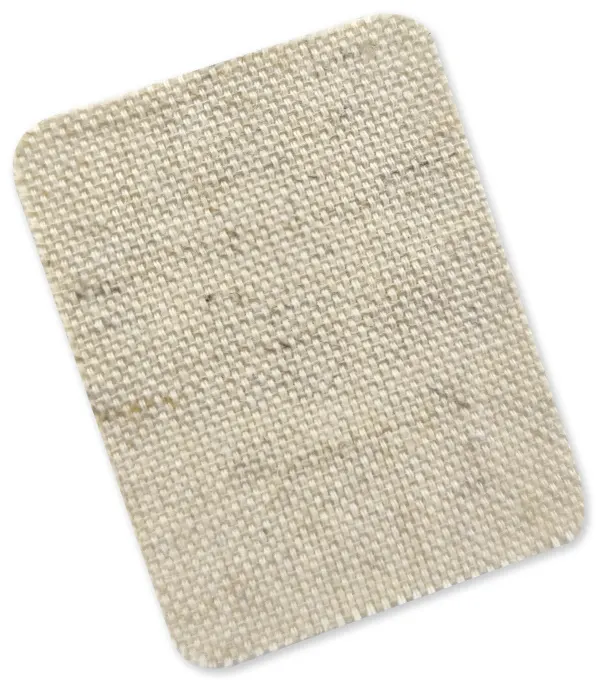
Texture 11: woven cloth
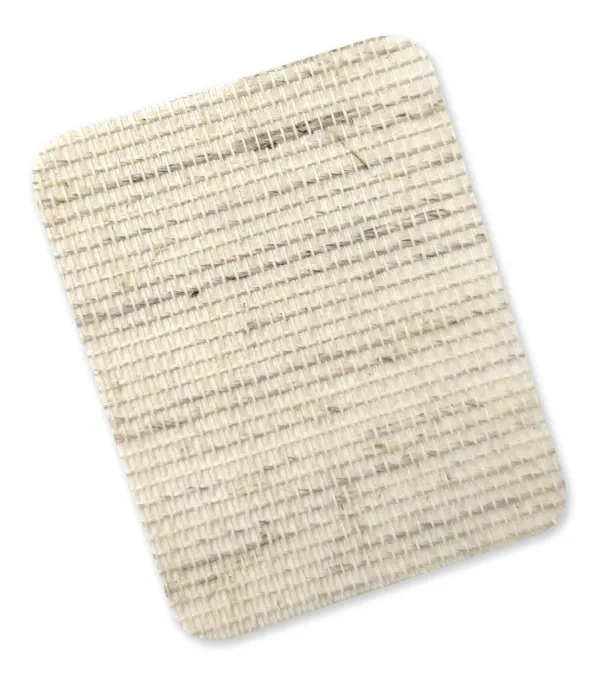
Texture 12: basketweave cloth
Texture 13: velvety woven fabric
Texture 14: two-tone patterned fine weave
Texture 15: silk-like smooth fabric
Texture 16: silky smooth soft fabric
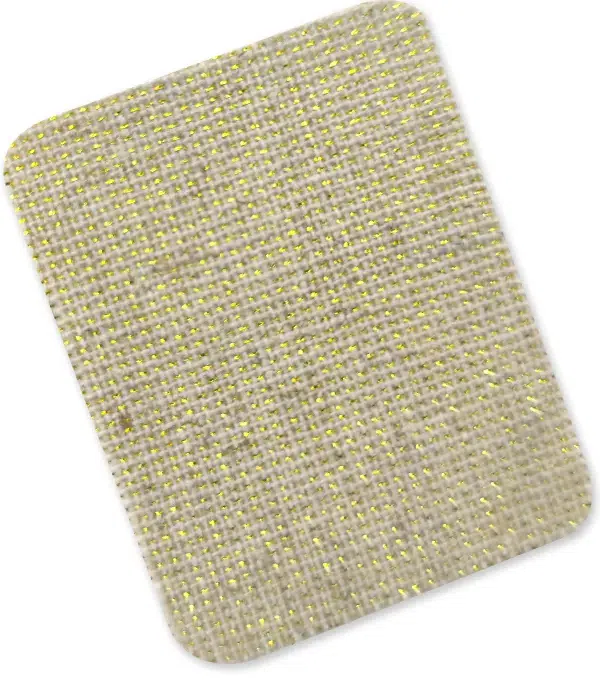
Texture 17: Fine Metallic Fabric Texture
Printing and Finishing on Book Cloth
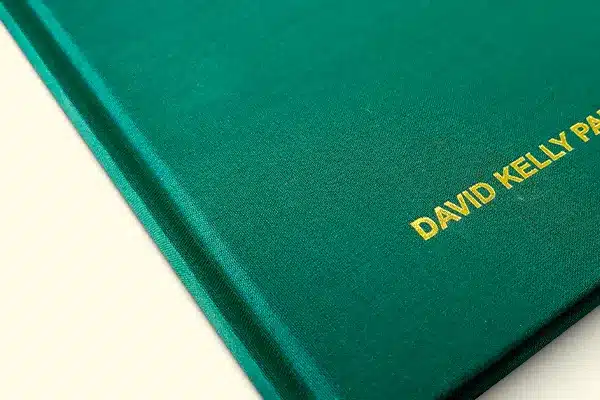
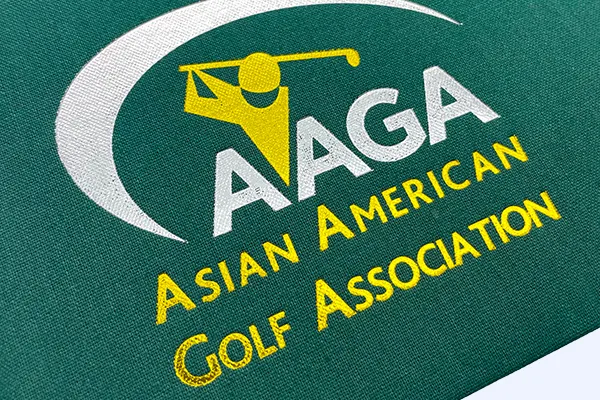
- Foil stamping: wide range of colors, including gold, silver, white, black, and holographic. Minimum line weight 0.3 mm; avoid body text below 5 pt. The most popular finishing method for cloth. On natural linen, use large type and bold lines only.
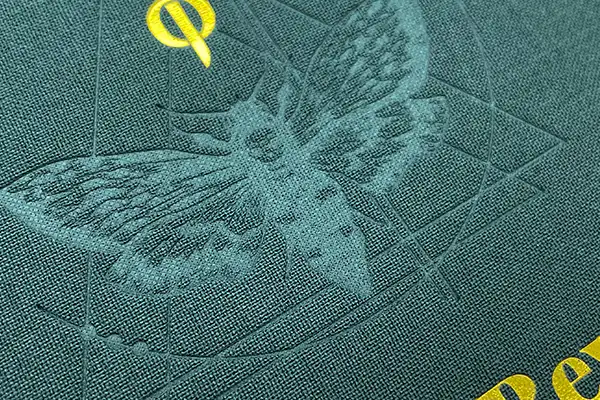
- Blind debossing: a die presses the design into the cloth without foil or ink, creating a subtle tone-on-tone impression.Works best on fine and medium weaves with bold graphics. We don’t recommend it on linen: the impression is hard to see on natural linen and less crisp on solid-color linen.
- Foil-stamped debossing: combines debossing and foil in a single pass for a dimensional metallic impression. The most premium option for cloth covers.
- Screen printing: solid, opaque ink applied directly to the cloth. Each color is printed separately and can shift slightly, so it suits bold logos and large type in one or two colors. Leave a little space between colors instead of designing tight fits, and use vector artwork.
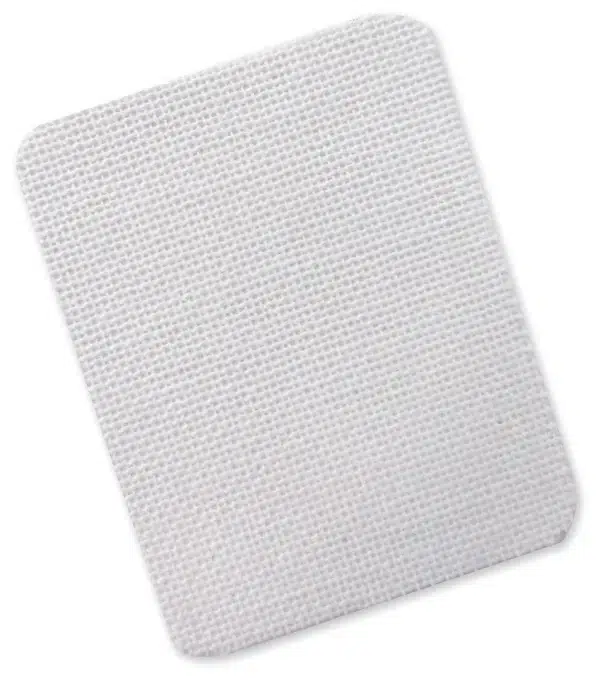
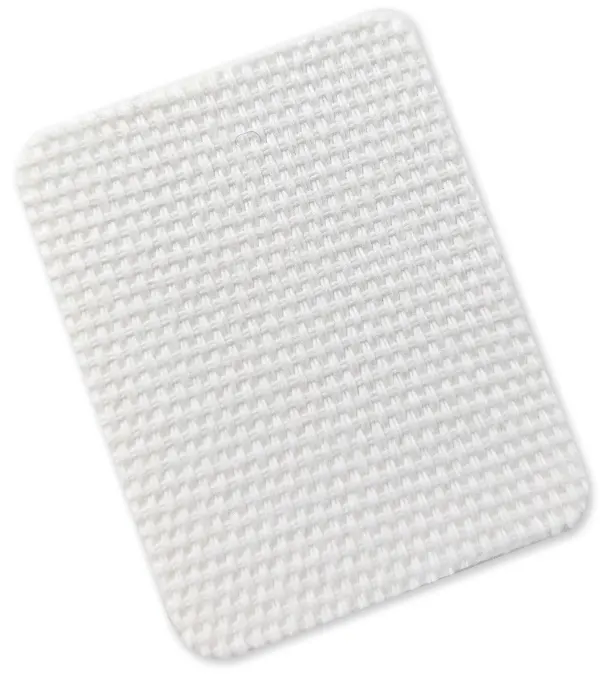
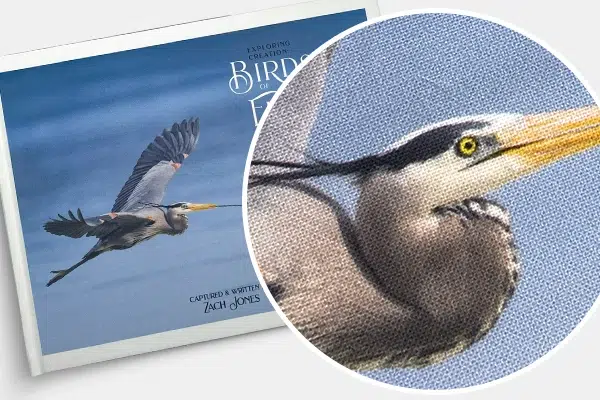
- Digital inkjet printing: full-color CMYK printing. Best on white, smooth-weave fabrics such as ZT-5511. Printed images will be slightly softer than on paper; increase saturation and maintain strong contrast for the best result.
- Printed paper inlay: a debossed area filled with a printed paper panel, combining tactile texture with photographic detail.
Embossing is not recommended for cloth. The flexible woven surface does not hold a raised impression effectively. Use debossing instead.
Color variation between dye lots is normal for any woven textile. Production colors may differ slightly from swatch samples.
Book Cloth vs Regular Fabric
Book cloth starts as a woven fabric, but it’s laminated to a paper backing before it reaches the bindery. That backing is what makes it work on a hardcover. It keeps the fabric from stretching as it’s wrapped around the boards, stops glue from soaking through to the surface, and lets the turn-ins fold cleanly at the corners.
Apparel and upholstery fabrics have none of that support. On a book, they tend to wrinkle, show glue stains, and fray at the edges. That’s why every cloth in our library is supplied paper-backed and ready for case binding.
How to Choose the Right Cloth
Texture: finer weaves (silk-like, ultra-fine, cotton-silk blends) produce a smoother surface ideal for detailed foil stamping. Coarser weaves (buckram, basketweave) create a bolder tactile presence but may not hold very fine foil details.
Color: dark cloths with metallic foil produce the highest contrast. For digital inkjet printing, choose white cloth, since the white base lets ink colors read accurately. Light cloths also suit screen printing.
Finishing compatibility: if your design relies on foil, choose smoother textures. If the cloth will not receive any special surface finishing, coarser weaves are a good choice for their bold tactile character—but keep in mind that coarser weaves do not produce sharp results with any finishing technique. For digital inkjet printed artwork, choose a white, smooth-weave fabric such as ZT-5511. On darker fabrics, screen printing with a white ink base layer produces the best results.
Linen: natural linen shows slubs and slight color variation that suit literary editions, poetry, and anything with a traditional feel. Solid-color linen keeps the linen grain with an even color, which gives foil a cleaner background. On solid-color linen, keep foil lines a little bolder than on fine weaves; a blind deboss is possible but less crisp, so we don’t recommend it. On natural linen, use hot foil stamping in large type or bold lines, or an inset image, since a blind deboss and fine detail won’t read clearly.
Book type: for art books and photography monographs, choose a white, smooth-weave cloth such as ZT-5511 if you plan to print artwork directly on the cover, since a white base keeps colors accurate. Prefer a darker or more textured cloth? An inset image gives you full-color artwork in a debossed panel on any cloth. For Bibles, journals, and reference books that are handled every day, a tightly woven cotton cloth holds up best. For poetry, literary special editions, and collector’s sets, natural linen or a two-tone weave adds character with nothing more than a bold foil-stamped title. For gift and anniversary editions, fine metallic fabric adds a quiet shimmer.
Cloth Cover vs. Printed Paper Wrap
Common Applications
- Hardcover book cases: special editions, collector’s editions, coffee table books, Bibles, and any hardcover where the cover material is part of the design. For instant pricing on clothbound hardcovers, see our cloth cover book printing page.
- Quarter-bound covers: any texture here can be used as the cloth spine on a hardcover with printed paper boards. See quarter-bound cloth covers.
- Slipcases: cloth-covered slipcases protect hardcover books and add a second layer of tactile and visual impact. Often foil-stamped with the title.
- Rigid boxes: luxury packaging for spirits, cosmetics, jewelry, and consumer electronics.
- Journals, notebooks, and planners: a durable, refined cover that ages well with daily use.
- Portfolios and presentation cases: client-facing presentations for architects, designers, and photographers.
Frequently Asked Questions
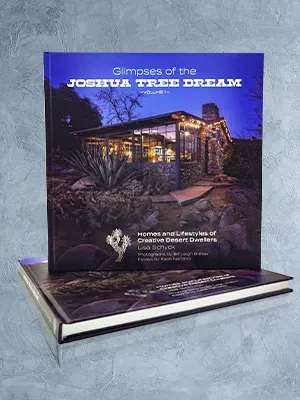 Book Printing in China
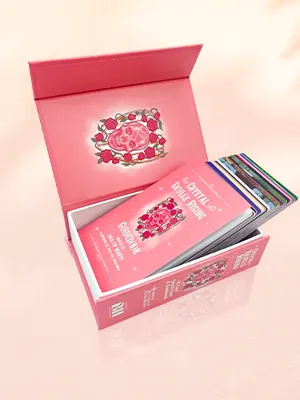 Custom Card Decks
 Custom Holographic Cards
 Free Wall Calendar Template
 Free Desk Calendar Template
 Folding Cartons
 Rigid Boxes
 Corrugated Boxes
 Custom Board Game
 Custom Card Game
 Kickstarter Print Solutions