 Book Printing in China
 Custom Card Decks
 Custom Holographic Cards
 Free Wall Calendar Template
 Free Desk Calendar Template
 Folding Cartons
 Rigid Boxes
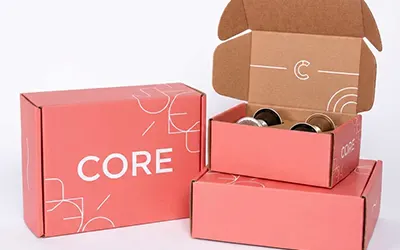 Corrugated Boxes
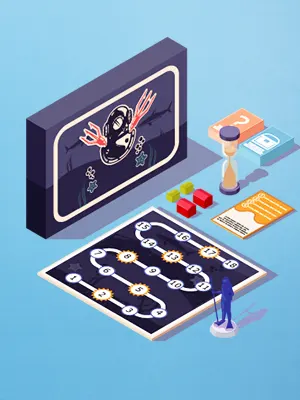 Custom Board Game
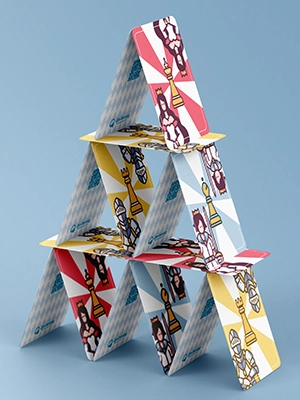 Custom Card Game
 Kickstarter Print Solutions
Cloth Materials
Book cloth is a woven fabric with a paper backing, engineered for wrapping onto rigid board. The paper layer gives it dimensional stability—clean folds, reliable adhesion, no bleed-through—while the woven face delivers the texture, warmth, and handcrafted quality that printed paper cannot replicate.
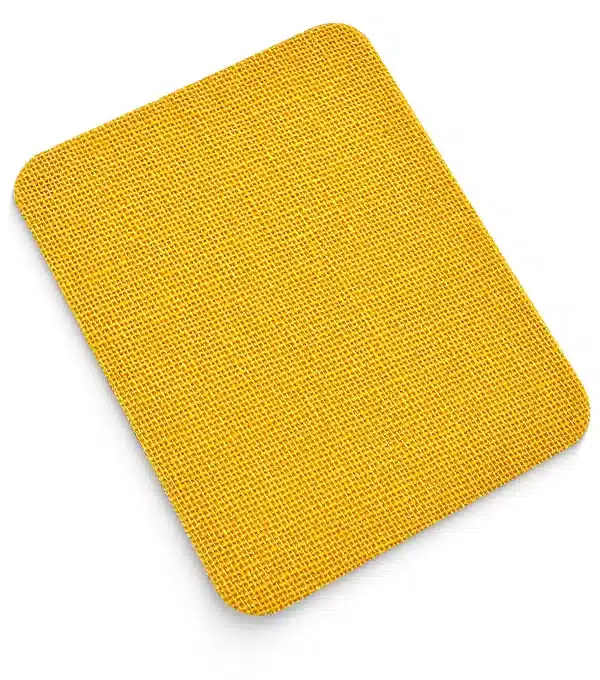
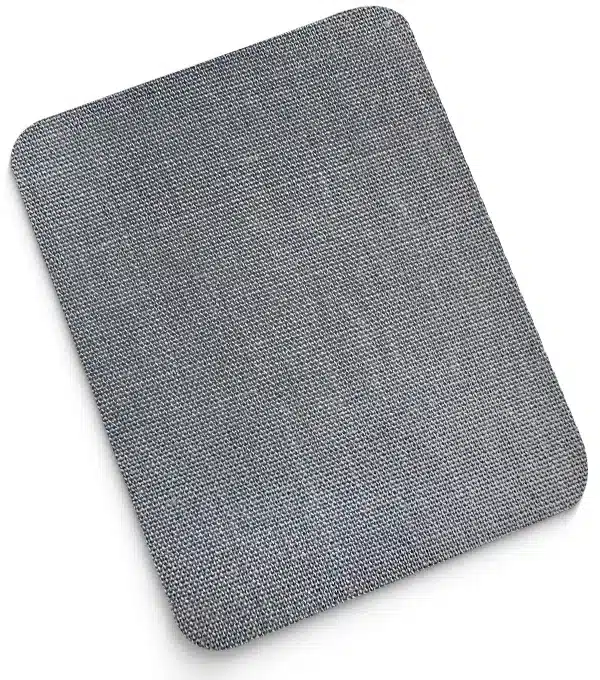
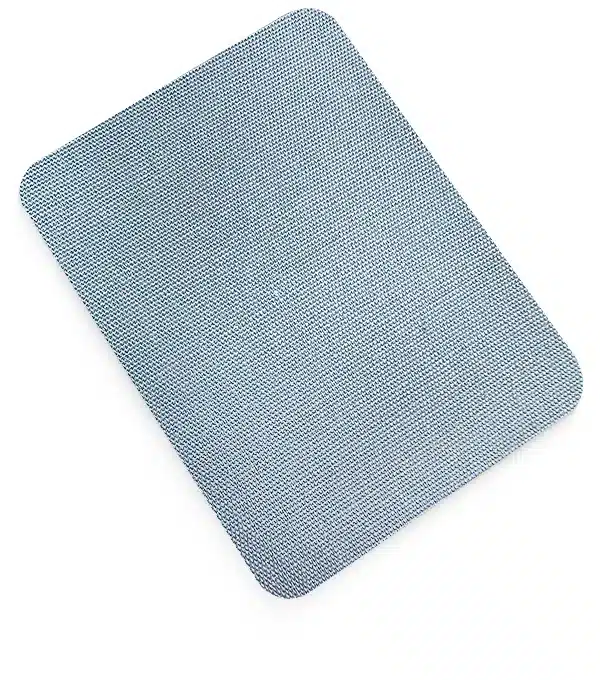
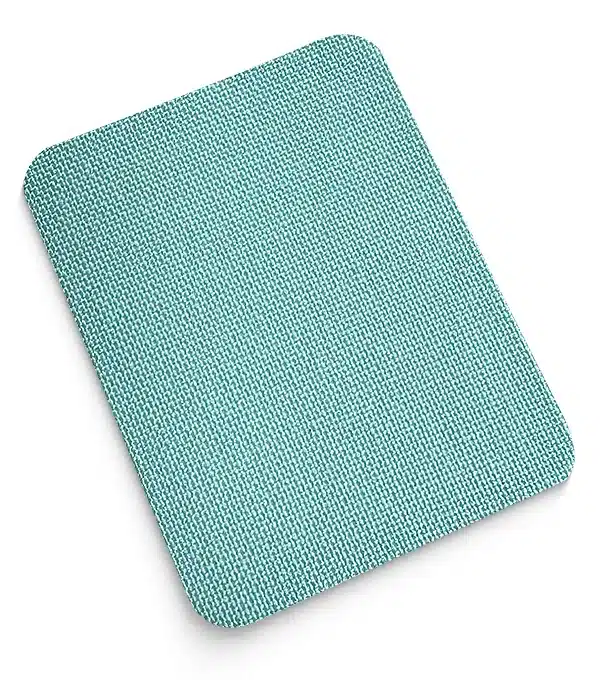
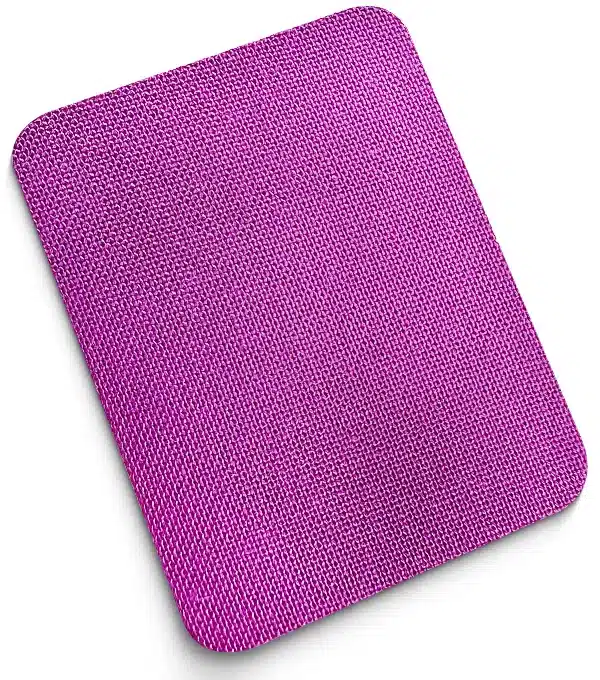
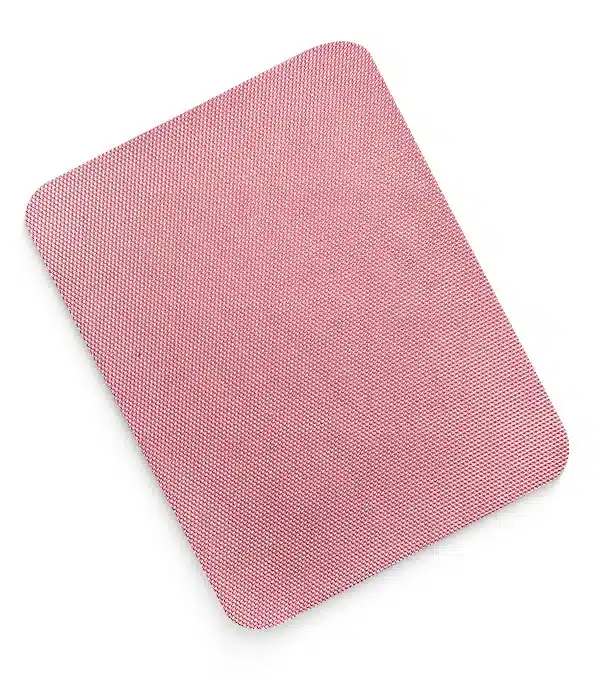
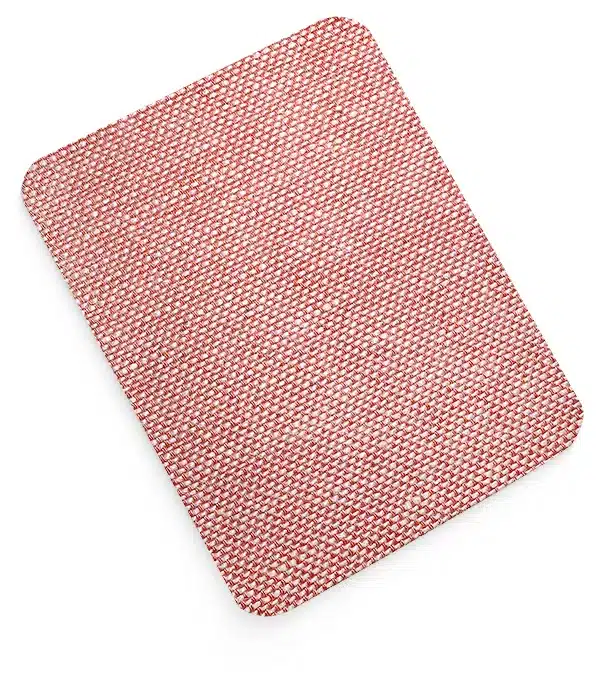
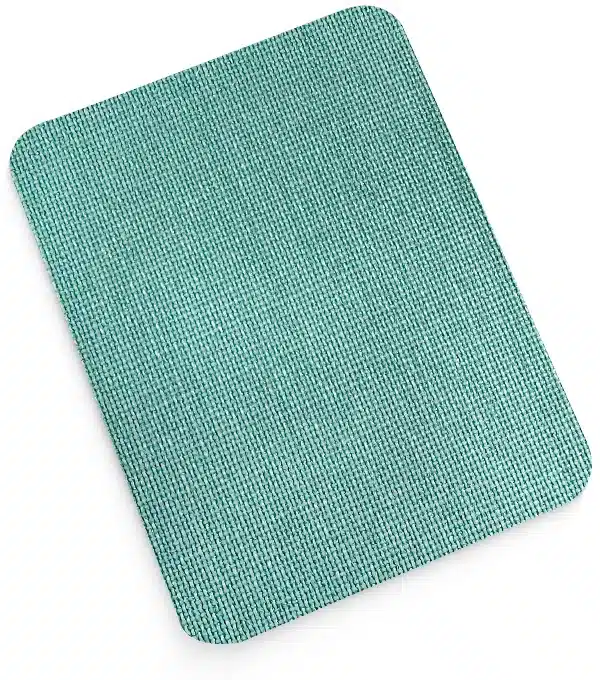
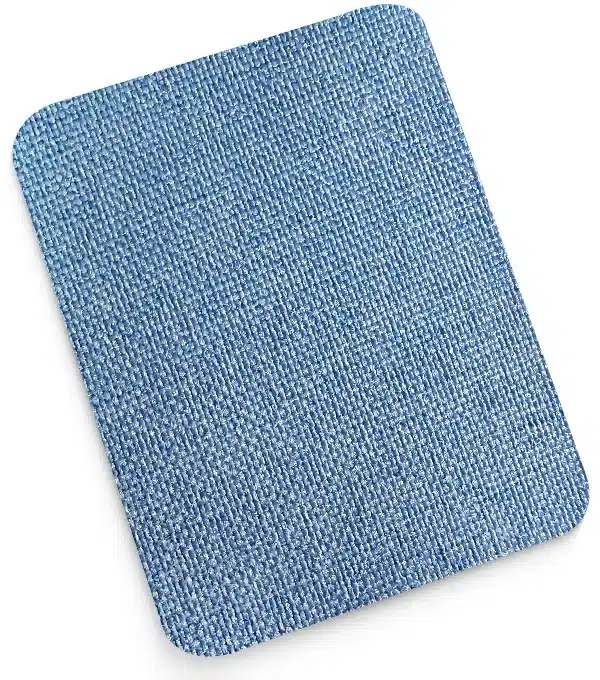
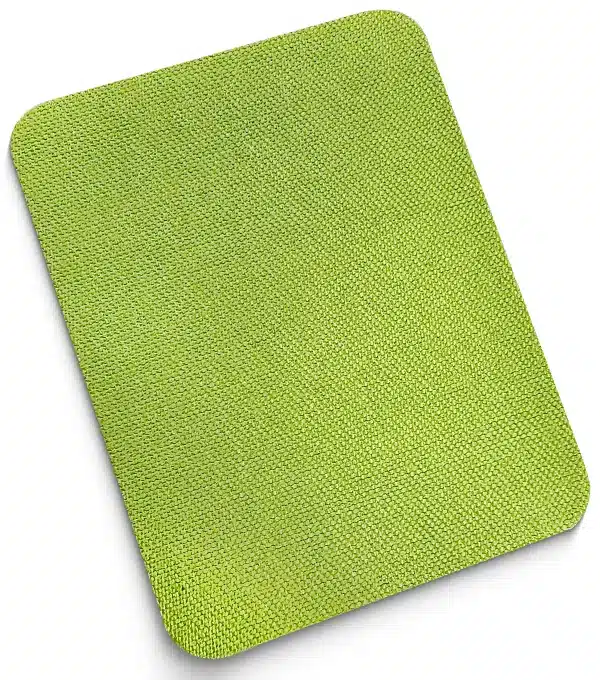
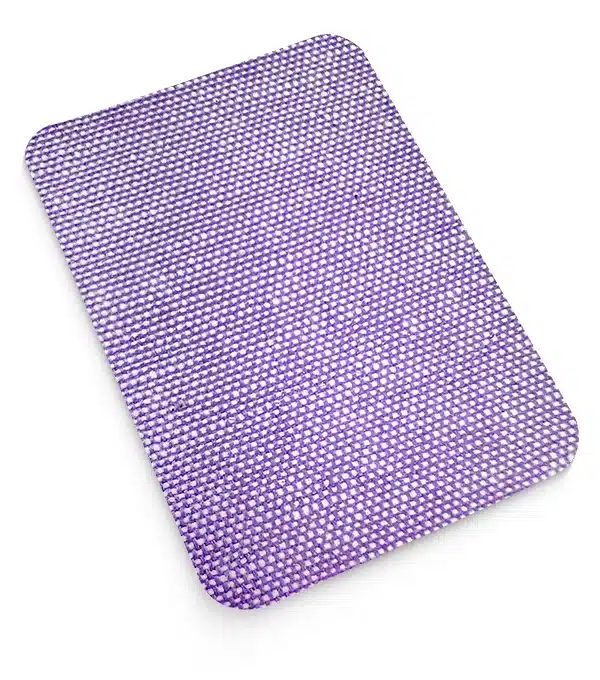
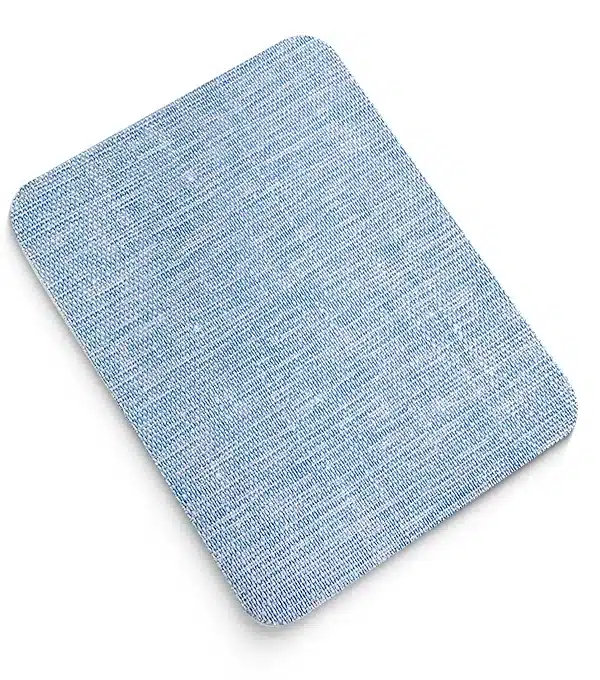
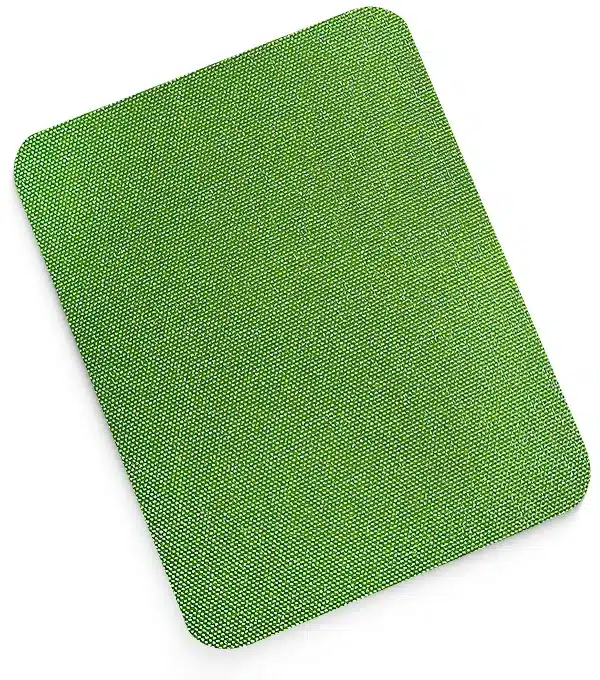
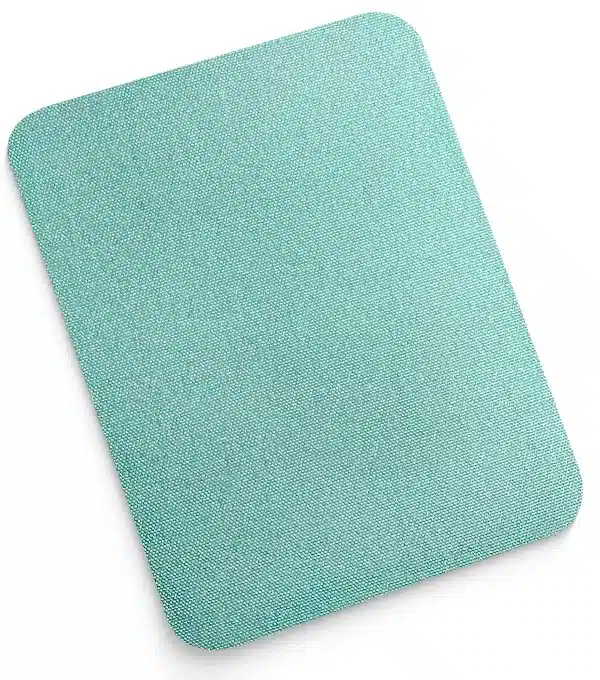
We stock distinct cloth textures, each in a broad palette of colors ranging from muted neutrals to deep jewel tones. The range covers everything from smooth silk-like weaves to coarse, heavily textured buckram.
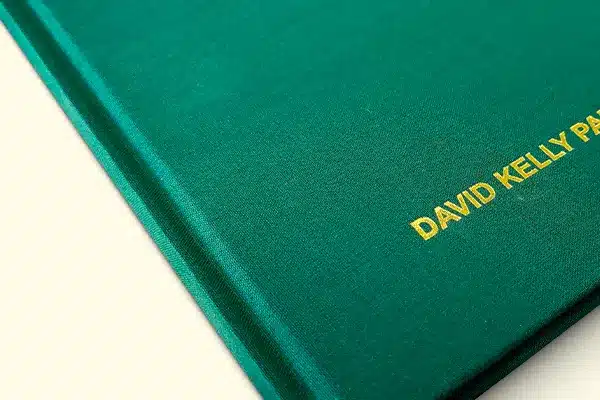
Cloth Material Gallery
Browse the 14 textures and their color swatches below. Each swatch number corresponds to a specific color in our stock system—quote the number when placing your order.
All color swatches are for reference only and may differ from the actual material. We strongly recommend requesting a physical sample before confirming your selection.
Printing and Finishing on Book Cloth
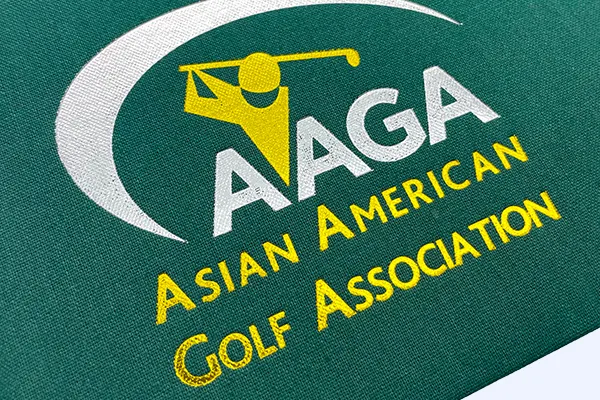
- Foil stamping: gold, silver, rose gold, copper, and custom colors. Minimum line weight 0.3 mm; avoid body text below 5 pt. The most popular finishing method for cloth.
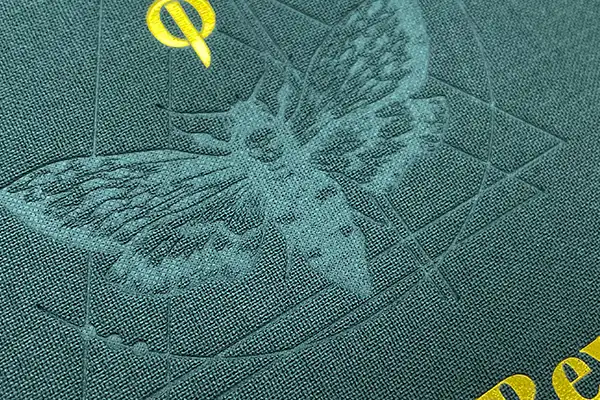
- Blind debossing: a die presses the design into the cloth without foil or ink, creating a subtle tone-on-tone impression. Works on all textures; bold graphics produce the strongest results.
- Foil-stamped debossing: combines debossing and foil in a single pass for a dimensional metallic impression. The most premium option for cloth covers.
- Screen printing: opaque ink applied directly to the cloth. Best for bold logos and large text in one or two colors. Use vector artwork.
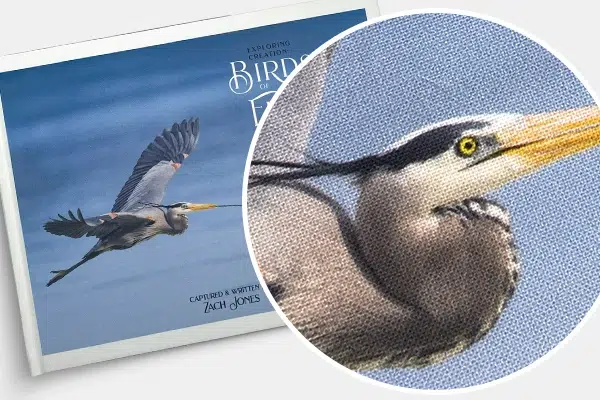
- Digital inkjet printing: full-color CMYK printing. Best on smooth, light-colored fabrics. Printed images will be slightly softer than on paper; increase saturation and maintain strong contrast for the best result.
- Printed paper inlay: a debossed area filled with a printed paper panel, combining tactile texture with photographic detail.
Embossing is not recommended for cloth. The flexible woven surface does not hold a raised impression effectively. Use debossing instead.
Color variation between dye lots is normal for any woven textile. Production colors may differ slightly from swatch samples.
How to Choose the Right Cloth
Texture: finer weaves (silk-like, ultra-fine, cotton-silk blends) produce a smoother surface ideal for detailed foil stamping. Coarser weaves (buckram, basketweave) create a bolder tactile presence but may not hold very fine foil details.
Color: dark cloths with metallic foil produce the highest contrast. Light-colored cloths work better for digital inkjet or screen-printed artwork, since the lighter base lets ink colors read accurately.
Finishing compatibility: if your design relies on foil, choose smoother textures. If the cloth will not receive any special surface finishing, coarser weaves are a good choice for their bold tactile character—but keep in mind that coarser weaves do not produce sharp results with any finishing technique. For digital inkjet printed artwork, choose a light, smooth-weave fabric. On darker fabrics, screen printing with a white ink base layer produces the best results.
Cloth Cover vs. Printed Paper Wrap
| Cloth Cover | Printed Paper Wrap | |
|---|---|---|
| Tactile quality | High. Visible weave, warm to the touch. Communicates craftsmanship. | Smooth and paper-like, even with soft-touch lamination. |
| Artwork detail | Limited to foil, debossing, and screen/digital inkjet print. Full-color images possible but softer than on paper. | Full CMYK offset. Supports photographic images, gradients, and fine typography. |
| Perceived value | Very high. Immediately associated with luxury and collectibility. | Good, especially with premium finishes, but less distinctive than cloth. |
| Durability | Excellent. Resists scuffing; minor marks add character. | Good with lamination. Unlaminated wraps scratch easily. |
| Cost | Higher material and finishing cost. | Lower. Most cost-effective hardcover option. |
| Best for | Special editions, Bibles, journals, luxury packaging. | Trade editions, full-color covers, photography books. |
Common Applications
- Hardcover book cases: special editions, collector’s editions, coffee table books, Bibles, and any hardcover where the cover material is part of the design.
- Slipcases: cloth-covered slipcases protect hardcover books and add a second layer of tactile and visual impact. Often foil-stamped with the title.
- Rigid boxes: luxury packaging for spirits, cosmetics, jewelry, and consumer electronics.
- Journals, notebooks, and planners: a durable, refined cover that ages well with daily use.
- Portfolios and presentation cases: client-facing presentations for architects, designers, and photographers.
Frequently Asked Questions
Can I print full-color images directly on cloth?
Yes, using digital inkjet printing with full-color CMYK. Results are slightly softer than on paper. For photographic-quality artwork, a printed paper wrap or a paper inlay within a debossed cloth cover is a better option.
Can I customize the cloth color?
Book cloth is available in a wide range of stocked colors—from muted neutrals to deep jewel tones. You cannot specify a custom dye color outside our range, but with 10+ textures each offered in multiple colorways, most projects find a suitable match. Browse the full color library above or request a swatch sample to see the colors in person.
Are samples available?
Yes. We provide free cloth swatch samples on request. Contact us at [email protected].
How does pricing compare to a printed paper wrap?
Cloth covers cost more due to the higher material cost and additional finishing. The exact difference depends on size, finishing, and order quantity. Visit our cloth cover book printing page for online pricing.
Does cloth work for rigid boxes, not only books?
Yes. Cloth wraps onto any rigid board product—rigid boxes, slipcases, telescope boxes, drawer boxes, and presentation cases.
Related Resources