 Book Printing in China
 Custom Card Decks
 Custom Holographic Cards
 Free Wall Calendar Template
 Free Desk Calendar Template
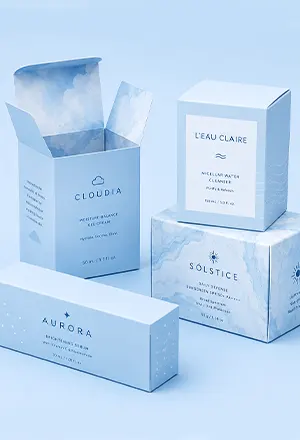 Folding Cartons
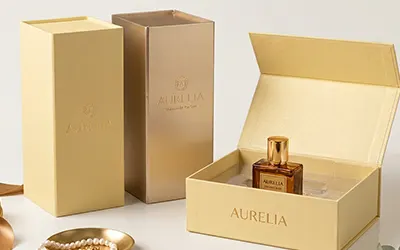 Rigid Boxes
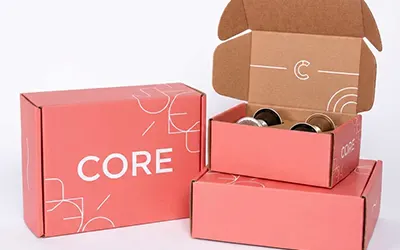 Corrugated Boxes
 Custom Board Game
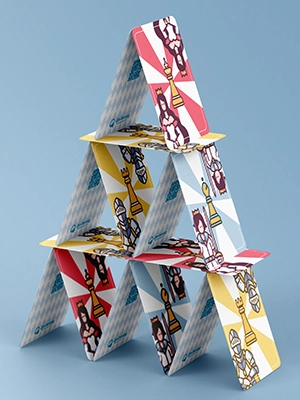 Custom Card Game
 Kickstarter Print Solutions
Holographic Paper
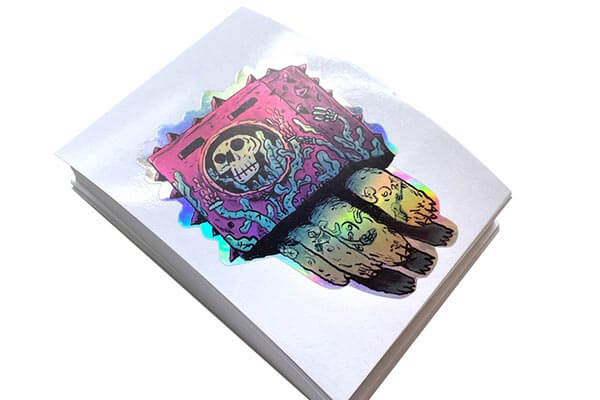
Holographic paper is a specialty material with a built-in reflective surface that shifts color as it catches light from different angles. The rainbow-like iridescent effect is created during manufacturing by embossing a micro-pattern onto the paper and coating it with a thin metallic film. The result is a material that draws attention immediately, making it a popular choice for book covers, card decks, packaging, and promotional items.
Unlike standard coated paper, holographic paper cannot be printed using conventional offset methods. The reflective surface requires specialized printing techniques to ensure the ink adheres properly and the design interacts with the holographic effect as intended.
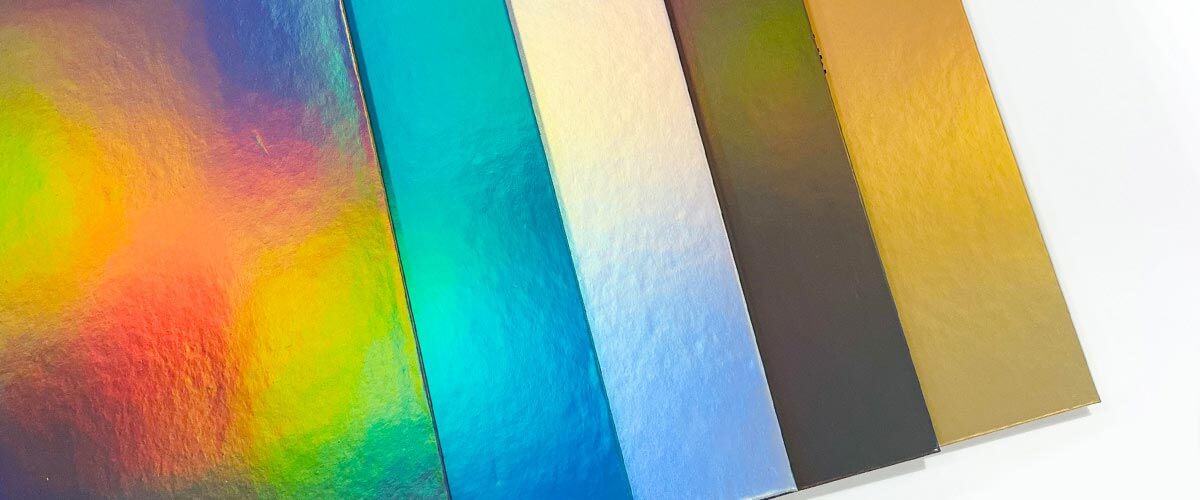
Printing Methods for Holographic Paper
There are three methods for printing on holographic paper. The right choice depends on your design, the level of detail required, and the visual effect you want to achieve.
UV Offset Printing
This is the most common and versatile method for holographic paper. UV printing uses ultraviolet light to cure the ink immediately after it is applied, which bonds the ink securely to the reflective surface. You have two options for controlling the holographic effect:
- CMYK only (no white base): The holographic effect shows through the transparent colored ink, creating a shimmering, color-shifted appearance. The thinner the ink coverage, the stronger the holographic effect.
- White ink + CMYK: A layer of opaque white ink is printed first, blocking the holographic effect completely. CMYK is then printed on top, producing solid, accurate colors as it would on normal white paper.
By combining these two approaches on a single sheet, you can create designs where some areas shimmer and shift while others display clean, readable text and solid imagery. UV offset printing is the best choice for full-color artwork, photographs, and detailed graphics on holographic paper.
Silk Screen Printing
Silk screen printing deposits a thick, opaque ink layer onto the holographic surface through a stenciled screen. The heavier ink coverage gives excellent opacity and vibrant color, making silk screen well suited for large text, logos, bold graphic elements, and designs that need strong visual contrast against the holographic background. Silk screen is not suitable for fine detail, thin lines, or photographic images, but for the right application it produces rich, striking results.
Foil Stamping
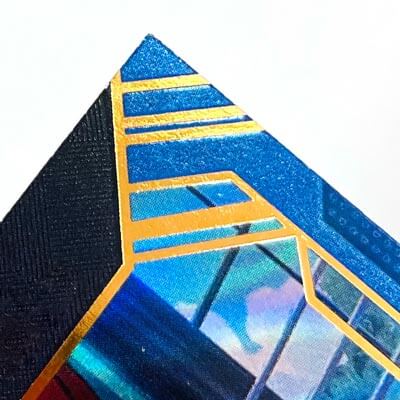
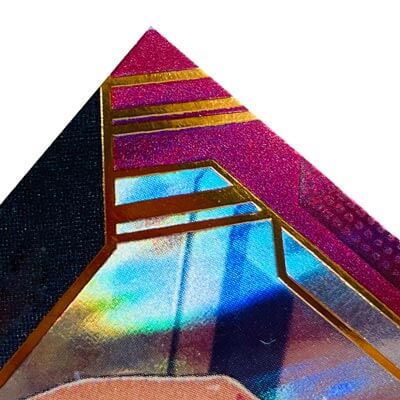
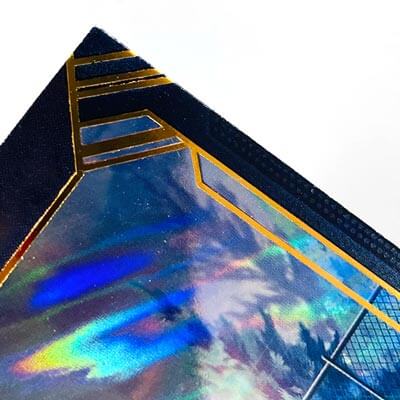
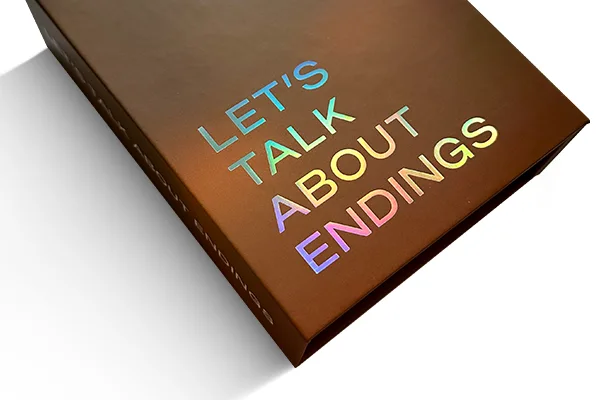
Foil stamping applies a thin metallic or pigmented foil to specific areas of the holographic paper using heat and a custom die. This does not replace the holographic effect but adds another layer of reflective or colored accent on top of it. Gold, silver, copper, and colored foils are all available. Foil stamping is commonly used for titles, logos, decorative borders, and brand marks. It can be combined with UV printing on the same sheet for a multi-technique design.
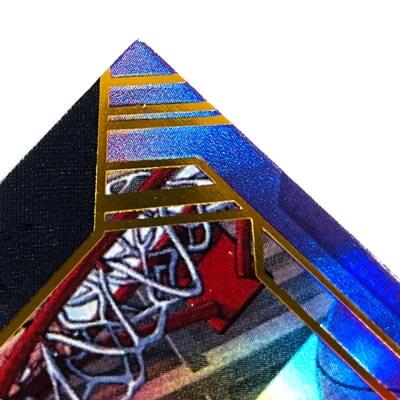
Products That Use Holographic Paper
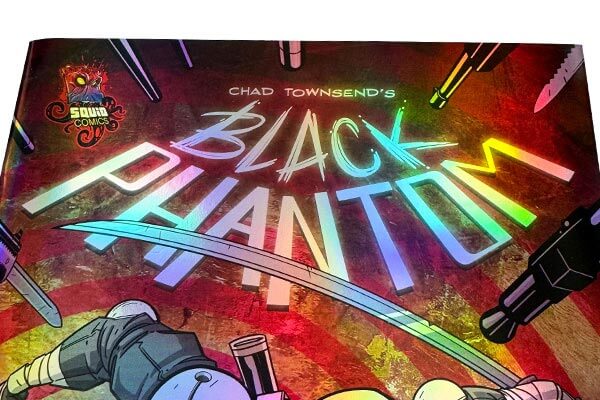
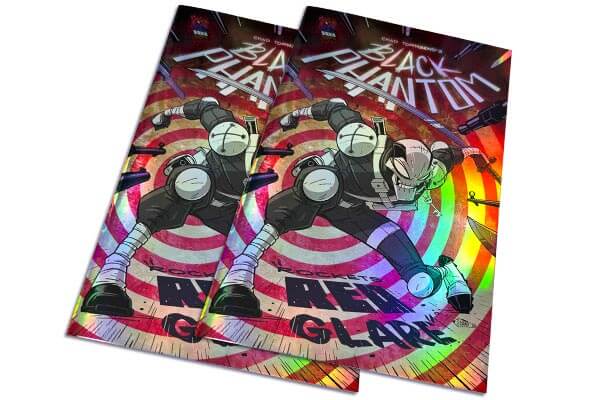
Book covers: holographic hardcover wraps and paperback covers for comics, graphic novels, special editions, and collector’s items.
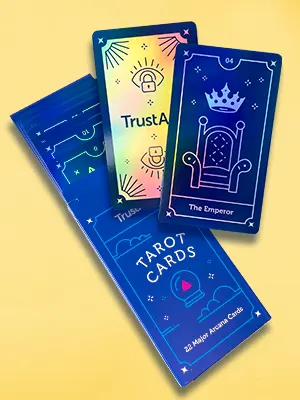
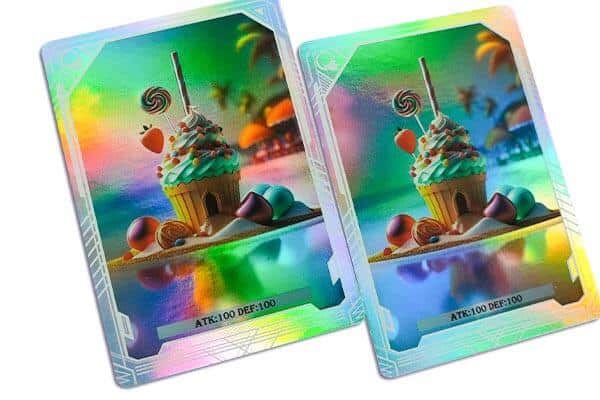
Card decks: holographic playing cards, tarot cards, and trading cards where the reflective surface adds perceived value and visual impact.
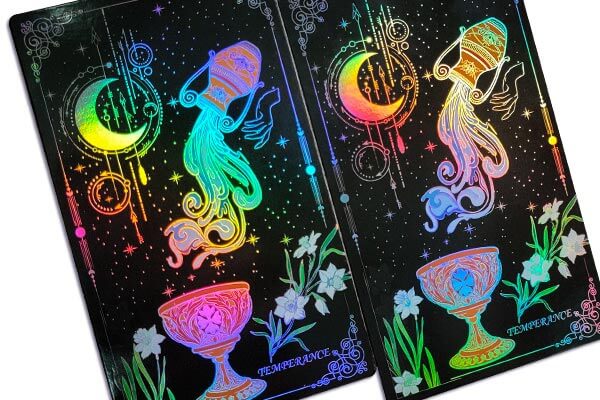
Packaging: rigid boxes, folding cartons, and gift boxes wrapped in holographic paper for cosmetics, luxury goods, and limited-edition products.
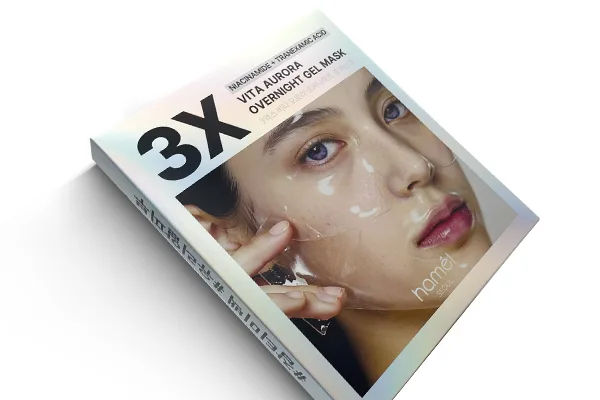
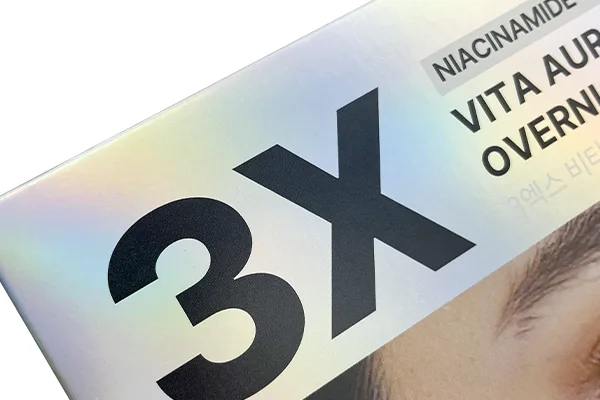
Posters and art prints: holographic paper adds a gallery-quality visual dimension to wall art and promotional prints.
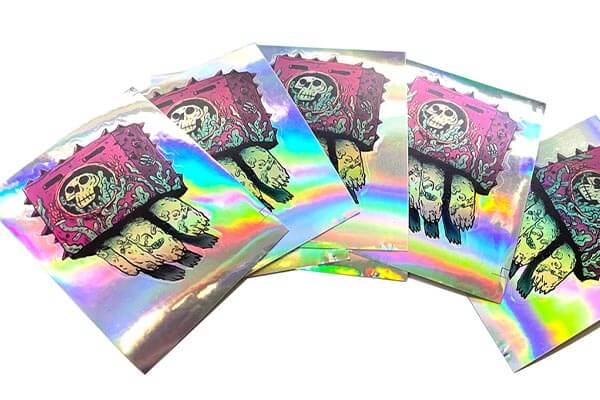
Stickers and labels: small-format holographic items for branding, security seals, and decorative use.
Design Considerations
- Do not design the holographic effect in your artwork. The paper is already holographic. Leave the areas where you want the rainbow shimmer either blank (unprinted) or printed with transparent ink only.
- Use a separate white ink file to define which areas should block the holographic effect. Our prepress team can help you set this up.
- Holographic paper scratches easily. To protect the surface, we apply a UV varnish coating after printing. Lamination is not suitable for holographic paper because the film layer significantly reduces the holographic effect, making it nearly invisible. Varnish provides effective surface protection while preserving the full reflective quality of the paper.
- Colors printed directly over the holographic surface (without a white base) will appear different from the same colors on standard white paper. The metallic underlayer shifts the tone. Request a printed proof if color accuracy is critical.
Holographic Paper vs. Holographic Foil Stamping
These are two different techniques. Holographic paper covers the entire surface with a reflective finish. It is a full-sheet material. Holographic foil stamping applies a reflective effect only to specific areas (a title, logo, or decorative element) using heat and a metal die on standard paper. Use holographic paper when you want an all-over shimmer. Use holographic foil stamping when you want selective, precise accents on a non-holographic surface.

Related Resources