

Flexibound
Flexibound is a book binding style that combines flexibility, durability, and a refined appearance. It sits between paperback and hardcover, offering a balanced solution for books that need to look premium while remaining comfortable to use.
Today, flexibound is widely used in Europe and North America for books designed to be handled often, read for long periods, and kept for years.
What Is Flexibound?
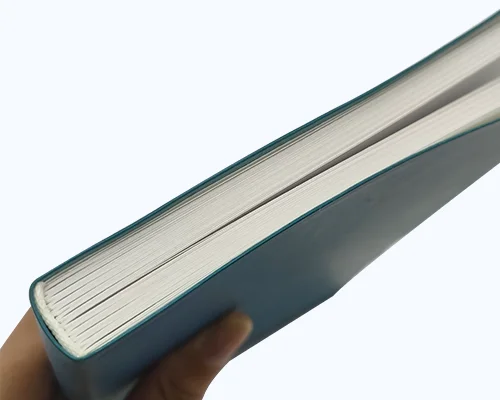
Flexibound is a binding style that closely resembles a hardcover book in appearance, but with a key structural difference. Unlike traditional hardcovers, a flexibound cover does not contain greyboard. This absence of rigid boards allows the cover to remain flexible while preserving the clean, finished look people associate with case-bound books.
Because the cover can bend naturally, a flexibound book feels lighter in the hand and opens more easily than a hardcover. At the same time, it maintains a more substantial presence than a standard paperback. This balance makes flexibound especially suitable for books that are meant to be used frequently rather than simply displayed on a shelf.
As a result, flexibound is often chosen when a refined appearance is important, but comfort and usability take priority over rigid protection.
Structure of a Flexibound Book
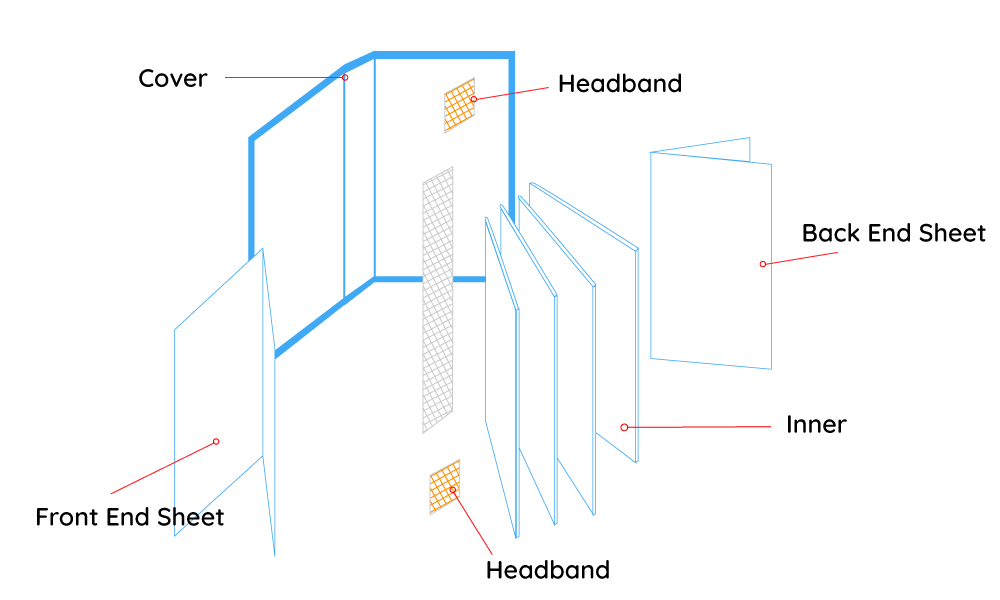
A standard flexibound structure includes:
- Cover
A flexible outer cover made from paper, cloth, or leather material, without greyboard inside. Unlike a paperback cover, the flexibound cover is turned in along the edges instead of being simply trimmed. This folded edge construction creates smooth, rounded borders and avoids the sharp, exposed edges commonly found on paperback books. - End sheet papers
End sheet paper is used to connect the cover and the inner pages. A flexibound book includes both front endpapers and back endpapers. The front endpaper is pasted to the inside of the front cover and the first page of the inner block. The back endpaper is pasted to the inside of the back cover and the last page of the inner block. Once attached, the endpapers neatly cover the turned-in edges of the cover, creating a clean, finished appearance on the inside of the book. End sheet papers that connect the cover to the inner pages, helping the book open smoothly and providing structural stability. - Inner Pages
The main book block, printed on offset, matte art, or gloss art paper, depending on the project. The inner pages are typically bound using signature sewing. The pages are folded into individual signatures, which are then sewn together with thread to form a strong and flexible book block. After sewing, adhesive is applied along the spine to further secure the signatures and improve durability. This combined method allows the book to open smoothly while maintaining long-term strength. - Headbands
Headbands are added at the top and bottom of the spine to complete the structure and give the book a finished, book-quality appearance.
This structure allows flexibound books to maintain the visual presence of a hardcover while offering greater flexibility and comfort in use.
Flexibound vs. Paperback vs. Casebound
This table helps users understand the “Goldilocks” positioning of Flexibound—more premium than a paperback, more portable than a hardcover.
| Feature | Paperback | Flexibound | Hardcover |
|---|---|---|---|
| Durability | Low–medium | High | High |
| Weight | Light | Medium | Heavier |
| Cover | Flexible cover stock | Flexible board / premium cover material | Rigid case with grey board |
| Look & feel | Everyday / economical | Premium yet relaxed | Formal / very premium |
| Typical projects | Novels, textbooks | Art & design books, journals, special editions | Coffee table books, gift editions |
If you want something more premium than a standard paperback but don’t need a full casebound book, flexibound is often the perfect middle ground.
Minimum and Maximum Page Counts for Flexibound
Flexibound works across a wide range of page counts, making it suitable for many types of books.
In most cases, flexibound books start at around 32 pages and can extend to 400 pages or more, depending on paper thickness. Medium to high page-count books tend to perform best with this binding style. For very thin books, paperback may be more practical, while extremely heavy books may benefit from traditional hardcover binding.
The Advantages of Flexibound
One of the main advantages of flexibound is its balance. It offers more durability than a paperback while remaining lighter and more flexible than a hardcover.
Flexibound books open more easily, feel comfortable in the hand. With high-quality materials such as cloth, leather, or premium paper, they also present a refined and intentional appearance.
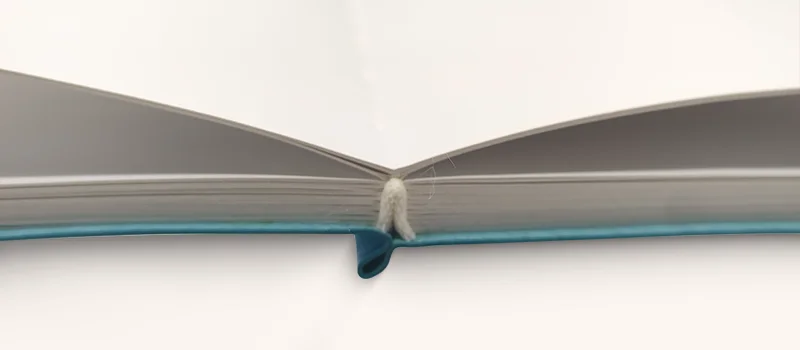
Unlike standard paperbacks that show wear after a few reads, our Flexibound books are engineered for heavy, daily use. By utilizing a reinforced wrap-around cover and a sewn-binding spine, these books offer the rugged resilience of a hardcover without the restrictive weight.
Whether it is a cookbook that needs to stay open on a flour-dusted counter or a field guide surviving the bottom of a backpack, the Flexibound format ensures the spine remains intact and the corners resist curling. It’s the professional choice for high-frequency reference books that need to stay beautiful and functional for years.
The Limitations of Flexibound
Despite its versatility, flexibound is not the right choice for every project.
Because it lacks rigid boards, it does not provide the same structural stiffness as a hardcover. Extremely heavy or oversized books may require the added support of case binding. For luxury or collectible editions where formality and rigidity are key, hardcover binding may still be preferred.
What Kind of Books Suit Flexibound?
Flexibound is well suited for books that combine frequent handling with a refined appearance.
It is commonly used for art books, photography books, journals, planners, and premium notebooks. In each of these cases, the book needs to look professional while remaining comfortable to use over time.
Related Resources