
 Book Printing in China
 Custom Card Decks
 Custom Holographic Cards
 Free Wall Calendar Template
 Free Desk Calendar Template
 Folding Cartons
 Rigid Boxes
 Corrugated Boxes
 Custom Board Game
 Custom Card Game
 Kickstarter Print Solutions
The Benefits of Offset Printing
The main benefits of offset printing are sharper image quality, highly accurate and consistent color, a lower cost per unit as the quantity rises, and compatibility with the widest range of papers and finishes. These advantages come from the offset method itself, which transfers ink through a rubber blanket onto the page, and they are the reason offset has stayed the standard for books, packaging, card decks, and other commercial work.
Below are ten specific advantages, each explained in plain terms, followed by an honest look at when offset is not the best fit. Knowing both sides helps you choose the right method for your project rather than defaulting to one out of habit.
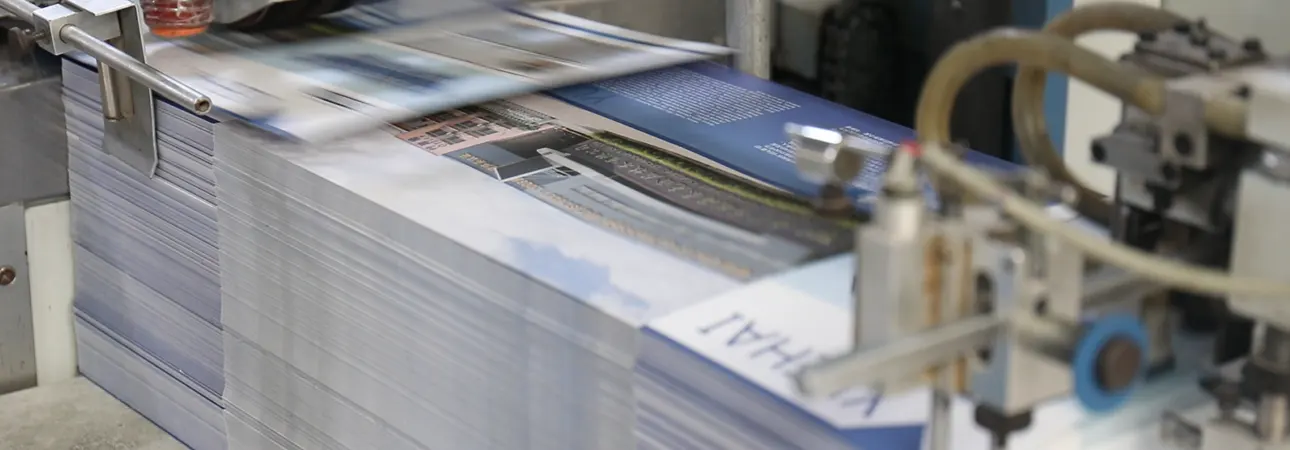
10 Advantages of Offset Printing
- Sharper, cleaner images. The rubber blanket presses ink evenly onto the page, producing crisp edges, fine detail, and smooth solids. This is what makes text crisp and photographs look clean, which matters for art books, photography books, and detailed packaging artwork.
- Accurate, consistent color. Offset holds color steady from the first sheet to the last, so every copy in the run looks the same. For brands and publishers, that uniformity across thousands of copies is essential, and it is far harder to guarantee with methods that vary copy to copy.
- True Pantone and spot color support. Offset can print exact Pantone spot colors from their own ink units, rather than approximating them from four process colors. That makes it the reliable choice when a brand color, logo, or specific shade has to be matched precisely.
- Lower cost per unit at higher volumes. Offset has an upfront setup, but once the press is running, each additional copy costs very little. As the run grows, that setup is spread across more copies, so the price per piece keeps falling. For larger runs, offset is the most economical way to print to a high standard.
- The widest range of papers and stocks. Because the flexible blanket meets the paper rather than a rigid plate, offset prints cleanly on coated, uncoated, textured, kraft, colored, and heavy board stocks alike. That range opens up creative and structural choices that other methods cannot always handle.
- Special inks and effects. Offset supports metallic inks, fluorescent inks, and white ink on dark or specialty stocks, expanding what a design can do. These options give packaging, covers, and card decks a distinctive, premium look.
- Pairs naturally with premium finishing. Foil stamping, spot UV, embossing, debossing, die-cutting, and painted or gilded edges integrate smoothly with offset production. The processes that make a printed product feel high-end are a natural fit for offset work.
- Excellent for large quantities. Offset presses are built to run long jobs efficiently and reliably at speed. For sizeable print runs, that throughput keeps both quality and timelines under control.
- Durable, professional results. Even ink coverage and proper drying produce a finished piece that looks and feels professionally made. The result is the polished quality readers and buyers expect from a published book or a retail product.
- The proven industry standard. Offset has been refined for more than a century and remains the backbone of commercial printing worldwide. Choosing it means relying on a mature, well-understood process with predictable, repeatable results.
Benefits at a Glance
| Benefit | Why it matters |
|---|---|
| Image quality | Crisp detail and smooth solids for text and photographs |
| Color consistency | Identical color across the whole run |
| Pantone / spot color | Exact brand-color matching |
| Cost at volume | Price per copy drops as quantity rises |
| Stock range | Coated, uncoated, textured, kraft, board, and more |
| Special inks | Metallic, fluorescent, and white ink |
| Finishing | Foil, spot UV, embossing, die-cutting, painted edges |
| High volumes | Efficient, reliable long runs |
When Offset Is Not the Right Choice
Offset is powerful, but it is not the answer for every job. Being honest about its limits helps you avoid paying for setup you do not need.
- Very small quantities. The setup cost makes offset uneconomical for a handful of copies. For short runs, digital printing is usually faster and cheaper because it has no plates to make.
- Prototypes and proofs. When you just need a single copy to check a concept, the setup time and cost of offset rarely make sense.
- Personalized or variable-data jobs. If every copy needs different content, such as individual names or numbers, digital printing handles that directly while offset cannot.
- Extreme rush jobs. The plate and makeready steps add lead time. For a same-day turnaround on a simple piece, digital is more practical.
The practical question is where the break-even point falls between offset and digital for your specific project. We work through that comparison in detail, with the quantity thresholds and cost curves, on our offset vs digital printing page.
The Bottom Line
For high-quality work at meaningful quantities, offset’s combination of sharp images, accurate and consistent color, broad material range, premium finishing, and falling unit cost is hard to beat. It is the reason offset remains the standard for books, card decks, packaging, and board games. For tiny runs, prototypes, or personalized pieces, digital is the smarter tool. Matching the method to the project is what gets you the best result for the money.
Frequently Asked Questions
What is the biggest advantage of offset printing?
For most projects it is the combination of high, consistent quality with a low cost per copy at volume. Offset holds sharp detail and accurate color across an entire run while the price per piece falls as the quantity rises, which makes it ideal for sizeable, quality-critical print jobs.
Is offset printing better quality than digital?
Offset generally has an edge in image sharpness, color consistency, exact Pantone matching, and stock range, especially over long runs. Modern digital printing is very good and is the better choice for short runs and personalized work, but for premium high-volume jobs offset remains the benchmark.
Why is offset printing cheaper for large runs?
Offset has an upfront setup cost, but a very low cost per copy once running. As the run grows, the setup is spread over more copies, so the unit price keeps dropping. Digital has no setup but a flat per-copy cost, so offset overtakes it on price as quantities rise.
What are the disadvantages of offset printing?
The main drawbacks are the setup cost and lead time, which make it uneconomical for very small runs, prototypes, personalized jobs, and extreme rush work. For those, digital printing is usually the better fit.
Can offset printing match exact brand colors?
Yes. Offset can print specific Pantone spot colors from dedicated ink units rather than approximating them from process colors, which makes it the reliable choice for exact brand-color matching on packaging, covers, and card decks.