 Book Printing in China
 Custom Card Decks
 Custom Holographic Cards
 Free Wall Calendar Template
 Free Desk Calendar Template
 Folding Cartons
 Rigid Boxes
 Corrugated Boxes
 Custom Board Game
 Custom Card Game
 Kickstarter Print Solutions
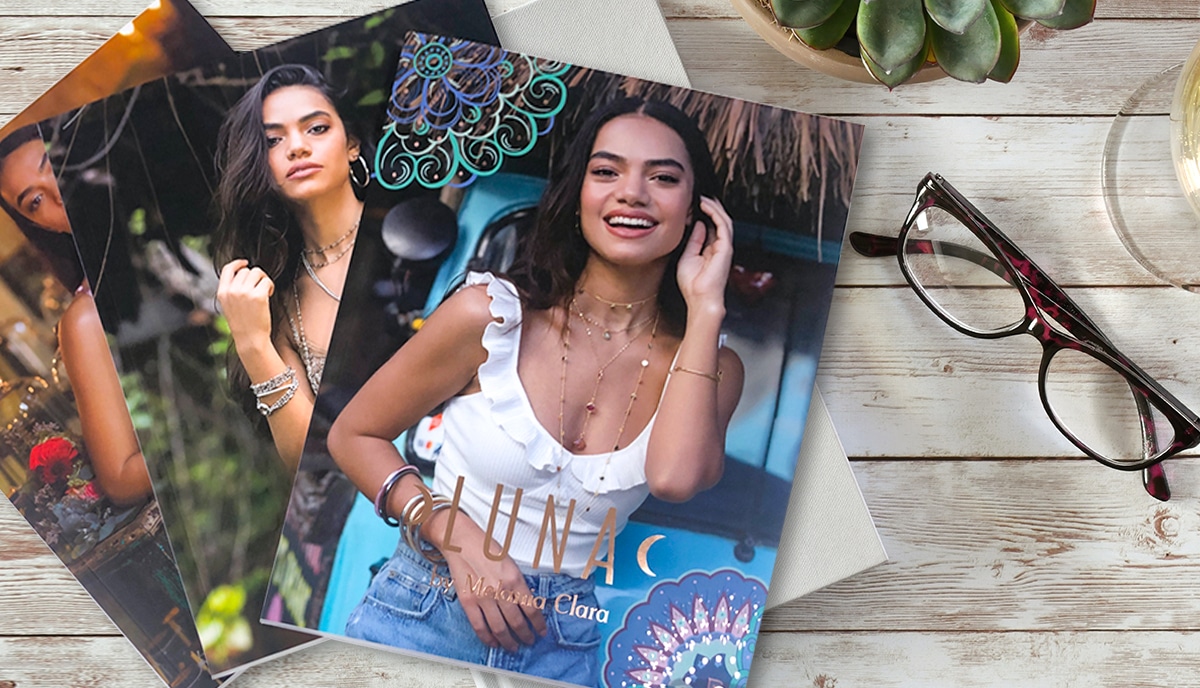
You have the photography, the layout, and the brand story locked in. Now comes the part most fashion designers underestimate: turning that digital file into a physical book that buyers actually want to hold. Print decisions quietly shape how your collection feels in someone’s hands, how much shipping costs you each season, and whether the unit price fits inside your wholesale margin.
This guide is for fashion brands, in-house marketing teams, and stylists who already have a finished design and need to make smart manufacturing choices. We’ll walk through paper selection for fashion photography, the four binding styles that work best for lookbooks, the special finishes that reliably elevate perceived value, and the pricing factors you can actually control.
After almost three decades printing fashion catalogs and seasonal lookbooks for brands ranging from indie labels to global houses, we’ve seen which choices pay off and which ones quietly inflate the invoice without adding any visual return. Here’s what’s worth knowing before you sign off on a print run.
Why printed lookbooks still earn their place in fashion marketing
Digital lookbooks are cheap to distribute, but they don’t sit on a buyer’s desk during market week. A printed lookbook does. It’s a tactile sales tool that survives the scroll, lands in showrooms, and becomes a reference piece that wholesale buyers, press contacts, and stylists keep on hand for months. The print format also signals investment in the brand, which matters when you’re asking a retailer to commit shelf space or a magazine to commission an editorial.
The catch: a poorly printed lookbook does the opposite. Muddy skin tones, a flimsy cover that curls in transit, or a glue spine that cracks open after three views can quietly damage how your collection is perceived. The decisions covered below are how you avoid that.
Choosing the right paper for fashion photography
Paper is the single biggest factor in how your photography reproduces. Three properties matter: the finish (gloss, matte, or uncoated), the weight (measured in gsm or lb), and the brightness (how white the sheet appears under light).
Gloss text paper for high saturation imagery
Gloss text paper has a smooth, slightly reflective coating that holds ink crisply on the surface rather than letting it sink in. The result is punchy contrast, deep blacks, and saturated color, which suits streetwear, swim, sportswear, and any collection where the photography leans bold or graphic. The downside is that gloss can produce glare under direct light and tends to read as commercial rather than editorial.
For most fashion lookbook interiors, we recommend 128 gsm or 157 gsm gloss text. The 128 gsm option gives a flexible page that turns well; the 157 gsm option feels noticeably more substantial and works for shorter page counts (under 80 pages) where you want the book to feel premium without bulking up shipping weight.
Matte text paper for editorial and luxury
Matte text paper has the same coated surface as gloss but with a non-reflective finish. Colors stay accurate and detail stays sharp, but the page reads softer and more refined. This is the default choice for luxury, contemporary, bridal, and accessory lookbooks where the brand wants to signal quality through restraint rather than impact.
A 157 gsm matte interior is the sweet spot for most premium fashion projects. It feels considered without being heavy, and it photographs well in any social content or PR shots that include the lookbook itself.
Uncoated paper for niche, craft-led, or sustainable brands
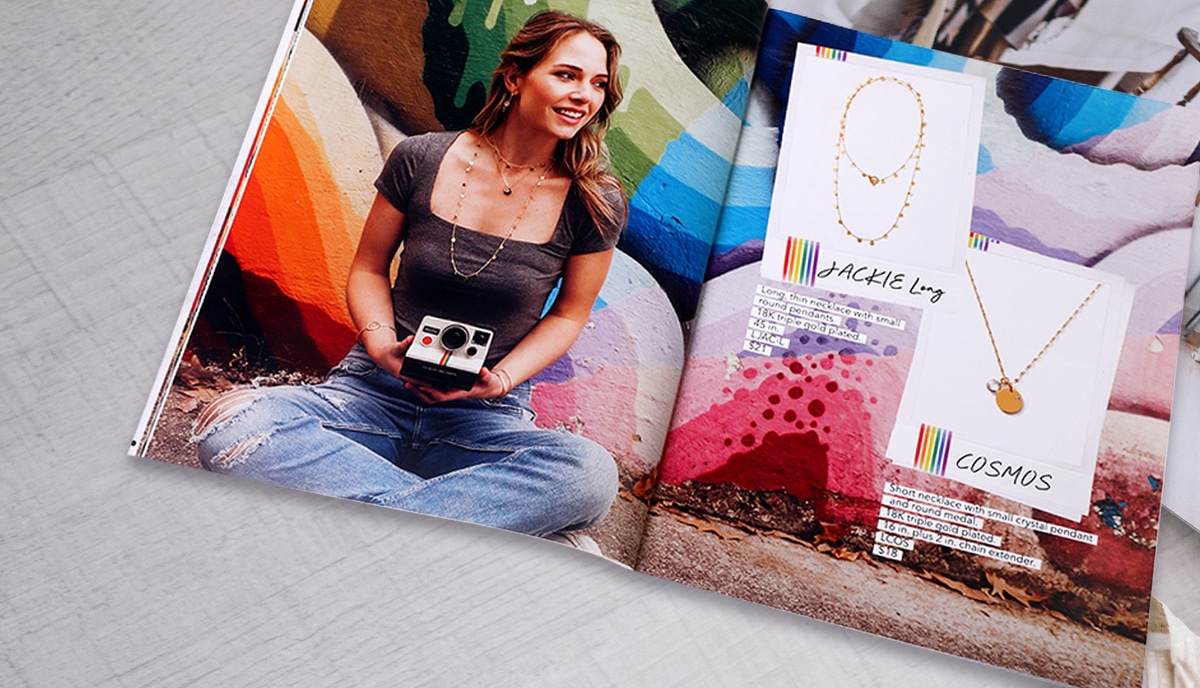
Uncoated paper has no surface coating, so ink absorbs into the fiber. Photography loses some of its punch, but the trade-off is a natural, paper-forward feel that suits artisan brands, slow fashion labels, and lines built around heritage or craft. Uncoated is also the preferred choice when sustainability messaging is core to the brand, especially when paired with FSC-certified or recycled stock.
If you go uncoated, plan for the photography stage. Images shot specifically with uncoated reproduction in mind (slightly higher saturation, lifted shadows) print far better than images optimized for a glossy magazine.
Cover paper: heavier and treated differently
The cover does a different job than the interior. It needs to survive handling, shipping, and time on a desk. Cover stock for fashion lookbooks typically runs from 250 gsm to 350 gsm. We almost always recommend laminating the cover, both for protection and for the tactile finish it adds.
Three lamination options come up in nearly every fashion brief:
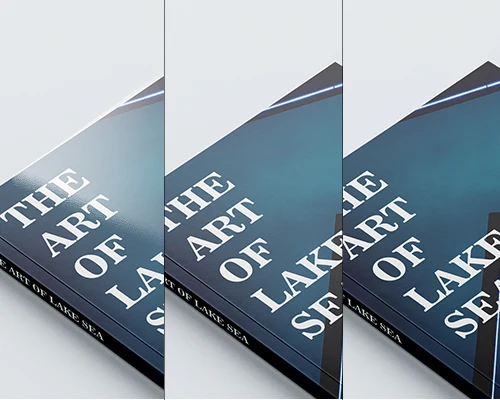
- Matte lamination gives a quiet, sophisticated finish that resists fingerprints and shows fewer scuffs. It pairs especially well with minimal cover designs.
- Gloss lamination intensifies cover photography and is the lower cost option. Best for high color, image-led covers.
- Soft-touch lamination has a velvety, almost suede-like surface. It costs more, but for premium positioning it does a lot of work in the first three seconds someone picks up the book.
Binding styles for fashion lookbooks: how to choose
Binding affects three things: how the book opens (does it lay flat?), how it ages (will the spine survive?), and how it looks on a shelf or desk. Page count is the gating factor.
Saddle stitch (4 to 48 pages)
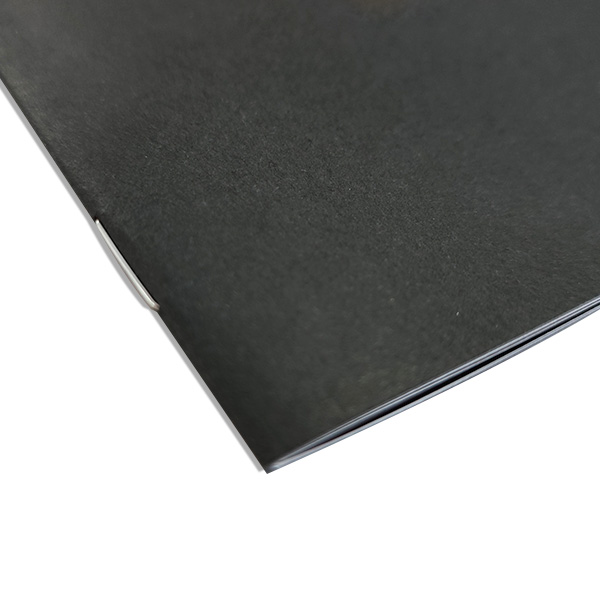
Saddle stitch folds the printed sheets and staples them along the spine. It’s the lowest cost option and works well for short run seasonal lookbooks, capsule drops, and press kits where the book is essentially a glorified leaflet. Pages lay flat naturally, which is good for spread photography.
Limits: page count must be divisible by four, and we cap practical saddle stitch at around 48 pages. Beyond that, the book starts to look bulky at the spine and creep (where inner pages stick out beyond outer ones) becomes visible.
Sewn perfect binding (our default recommendation)
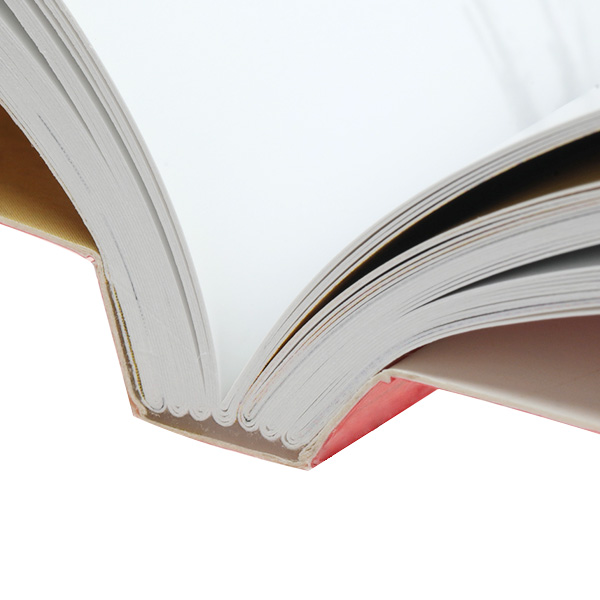
Sewn perfect binding sews the interior pages into signatures (folded groups of pages) before the book block is glued into a wraparound cover. The result is a softcover that opens flatter, lasts longer, and feels more substantial in the hand than a glue-only spine.
At QinPrinting, the cost of sewn perfect binding is almost identical to standard perfect binding, so for most fashion lookbooks running 80 pages or more, we recommend it as the default. It looks like a paperback but performs like a hardcover, and it’s the binding most often chosen by premium ready-to-wear and accessory brands.
Standard perfect binding (48 to 100 pages)
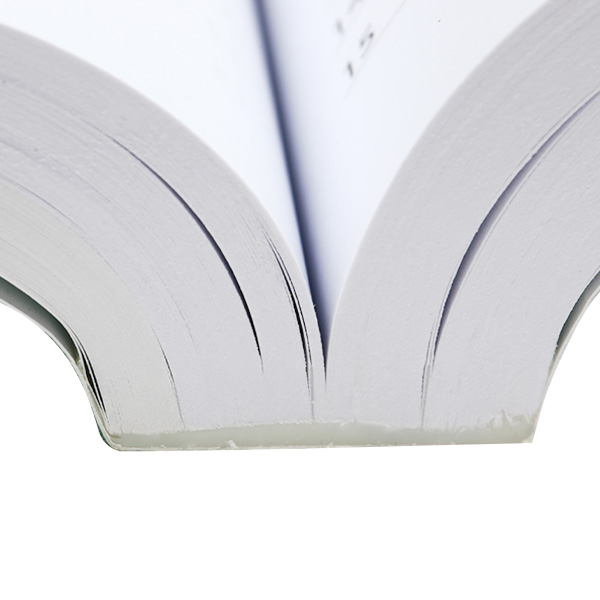
Standard perfect binding glues the interior pages directly into a wraparound cover, then trims all four edges flush. This is the paperback look most fashion magazines use. It handles moderate page counts, gives you a printable spine, and reads as a real book on the shelf. The trade-off compared to sewn perfect is that a glue-only spine doesn’t lay completely flat, so spreads can lose detail in the gutter, and the binding is more sensitive to heavier paper.
For lookbooks running 48 to 100 pages on 128 gsm interior or lighter, standard perfect binding is a fine choice and slightly cheaper at the press level. Once you go above 100 pages or move to a heavier interior, sewn perfect is the safer call.
Hardcover (luxury and archive editions)
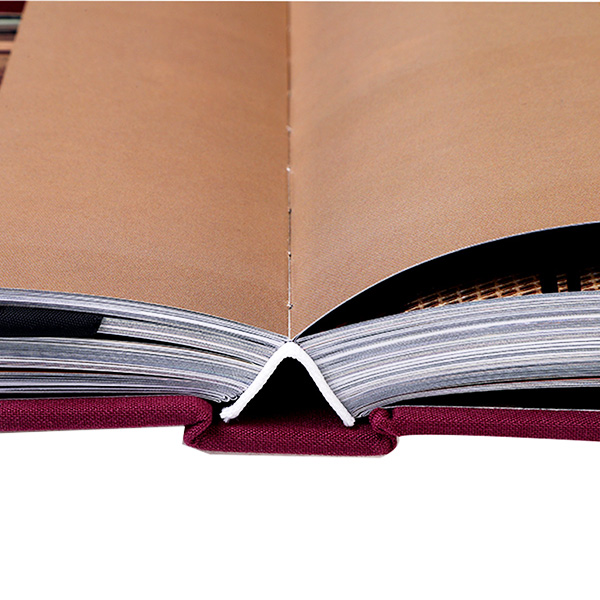
Hardcover wraps the book block in a rigid case made of greyboard covered in printed paper, cloth, or leatherette. It’s the most durable and most expensive option, and it shifts the perception of the lookbook from marketing collateral to keepsake. Couture houses, jewelers, and brands launching anniversary or capsule editions are the typical buyers.
If you go hardcover, the case opens up additional surface options: cloth wraps in dozens of colors, leatherette in suede or grain finishes, foil-stamped titles, blind embossing on the front, ribbon markers, and slipcases for gift-set presentation. Each adds cost; each also adds tangible value when the book is meant to live on a buyer’s coffee table or in a press archive.
Special finishes that earn their cost
Special finishes are the line items most likely to surprise you on a quote. Some are worth every cent. Others are easier to skip.
Spot UV
A clear, glossy varnish applied only to selected areas of the cover, such as a logo, a model’s silhouette, or the season title. Spot UV creates a contrast between matte and shine that catches the eye without screaming. Costs scale with the total covered area, not the complexity of the shape.
Foil stamping
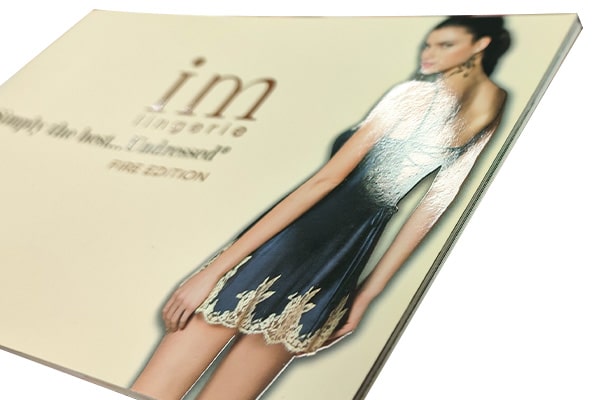
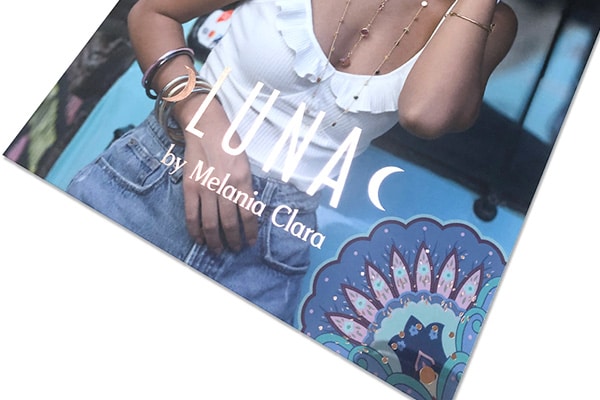
A heated die presses metallic or pigmented foil onto the cover, creating a thin reflective layer. Gold and silver are the most common; rose gold, copper, holographic, and matte foils are also available. Foil works best on small areas (titles, logos, decorative elements) rather than large fields.
Cost scales with the size of the foiled area and the number of foil colors used. Multi-color foil designs require separate stamping passes and price up accordingly.
Embossing and debossing
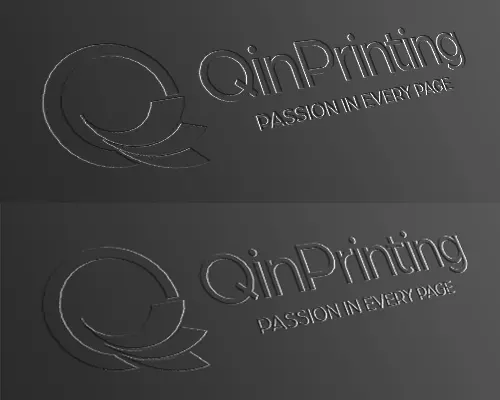
Embossing raises a design above the page surface; debossing presses it below. Both add tactile depth that photographs and video can’t replicate. They work especially well for monogram-style logos, season numbers, or small decorative motifs. Cost is modest compared to foil, and the two finishes can be combined (a debossed logo with a foiled overlay, for example).
Die cutting and unusual covers
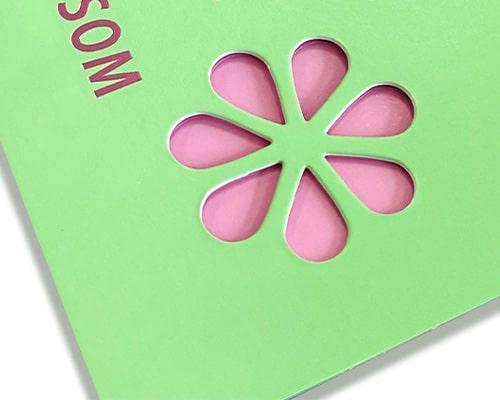
Die cutting cuts custom shapes into the cover or interior pages: a window cutout that reveals an image on the page below, an irregular trim shape, or perforated tear-out cards bound into the lookbook. These are higher cost, longer lead time finishes, but they’re memorable when they fit the brand concept. Use sparingly, and never just for novelty.
What actually drives the cost of printing a fashion lookbook
Print quotes can feel opaque, but the cost structure is fairly consistent. Five variables do almost all the work:
Quantity. Offset printing has high setup costs that get amortized across the run. The unit price drops sharply between 100 and 1,000 copies, and continues falling more gradually up to 5,000 and beyond. A 100 copy run of a 100 page book might cost around $12 per book; the same book at 2,000 copies can drop to roughly $2.10. Plan your distribution honestly before ordering, as reprints carry full setup costs again.
Page count. More pages means more paper, more press time, and (for perfect or sewn bindings) more glue and trim work. Expect roughly linear scaling with page count once you’re past the minimum.
Trim size. Standard sizes (8.5 x 11 inches, 6 x 9 inches, A4, A5) print most efficiently because they fit standard press sheets with minimal waste. Oversized formats can add 5 to 30 percent to the cost depending on how the layout falls on the sheet. A non-standard size that still nests cleanly inside a standard press sheet can often be produced at the same unit cost as a standard size, so it’s worth asking before assuming a custom dimension will be expensive.
Paper choice. Heavier and specialty papers cost more per sheet, and that difference compounds across the run. At low quantities, the impact on unit price is modest. At higher quantities, paper becomes a major line item, so going from 128 gsm to 157 gsm interior on a 200 page book at 5,000 copies adds noticeable cost. Specialty papers (uncoated premium, recycled, textured) typically run 20 to 100 percent more than standard coated stock.
Finishes. Each finish is priced separately. A cover with matte lamination, spot UV, gold foil, and embossing might add 5 to 15 percent on top of the base book price. Decide which one or two finishes carry your brand, and let the rest go.
For real numbers on common configurations, our Lookbook Printing page has live price charts and an instant quote calculator that updates as you adjust specs.
A quick decision framework before you send files to print
Before approving the final quote, run through these five checks:
- Does the binding match the page count and the use case? Saddle stitch under 48 pages, standard perfect binding for 48 to 100 pages on lighter interior, sewn perfect for most lookbooks above 80 pages, hardcover for premium positioning.
- Does the paper match the photography? Bold and graphic favors gloss; editorial and luxury favors matte; craft and sustainable favors uncoated.
- Are the finishes earning their cost? One or two well-chosen finishes (matte lamination plus spot UV, for example) usually outperform a stack of treatments.
- Is the trim size standard, or does a non-standard size still fit a standard press sheet? Custom dimensions can be the right call for distinctive positioning, and if the size nests cleanly inside a standard sheet, you can often get the distinctive look without raising the unit cost.
- Have you accounted for shipping? Heavier paper and larger formats compound shipping weight on every copy. For international distribution, this can quietly become the largest single cost item.
Why offset printing for fashion lookbooks
For runs of 100 copies or more, offset printing produces noticeably better color reproduction than digital, holds finer detail in shadow areas (critical for dark fabric photography), and supports the full range of paper stocks and finishes covered above. Digital printing has its place for runs under 50 copies or last minute proofs, but for a finished lookbook intended to represent the collection to buyers and press, offset is the format that delivers.
Get a quote and a sample pack
If you’re ready to move from design to production, we can walk you through the spec choices, send you free paper and finish samples in the mail, and turn around a no obligation quote within a working day. For nearly thirty years, QinPrinting has handled lookbook production for fashion clients ranging from independent designers to established houses, and our team can help you find the configuration that matches your brand and your budget.