Cards Printed by QinPrinting
The paper and surface finish you choose for your game cards affect every aspect of the player experience — how the cards feel to shuffle, how long they hold up through repeated play, how vivid the artwork looks across a gaming table, and how the deck feels the moment someone pulls it out of the box for the first time. Get the specification right and your cards feel like a premium product. Get it wrong and even the best artwork can be let down by cards that warp, stick, or wear unevenly.
At QinPrinting, we offer three card stock options and nine surface finish options for game cards. This guide explains what each one does, when to use it, and how to combine paper and finish to get the result you’re after — by card type.
Quick Reference: Recommended Specs by Card Type
Use this table to find a starting point. Full explanations follow below.
| Card Type | Recommended Paper | Recommended Finish | Key Priority |
|---|---|---|---|
| TCG / Collectible cards | 310 gsm black core | Linen or textured + varnish | Opacity + shuffle feel |
| Standard playing cards | 310 gsm black core | Poker varnish or linen | Durability + consistent shuffle |
| Board game cards (action, resource, event) | 300 gsm premium cardstock | Matte lamination or gloss lamination | Durability at practical cost |
| Tarot / oracle cards | 350 gsm premium cardstock | Soft touch lamination or soft touch + spot UV | Premium tactile feel + visual impact |
| Educational flash cards | 300 gsm premium cardstock | Matte lamination or matte varnish | Durability + easy handling |
| Promotional / event cards | 300 gsm premium cardstock | Gloss lamination or varnish | Visual impact |
Our Card Stocks
We offer three card stock options. Each is a multi-layer laminate — two printed outer layers bonded to a center core. The core material determines opacity, stiffness, and overall hand feel.
310 gsm Black Core Paper
Black core paper has an opaque black layer at its centre, sandwiched between two printed outer sheets. This centre layer does two things. First, it prevents light from passing through the card — players cannot identify cards by holding them up to a light source, which matters in competitive TCGs and poker. Second, it gives the card a distinctive stiffness and “snap” that most card game players associate with professional quality.
310 gsm is our standard weight for black core. It provides a solid, confident hand feel — not so heavy that the card is inflexible, but substantial enough to handle repeated shuffling without bending or creasing. It is the specification closest to the professional TCG and playing card industry standard.
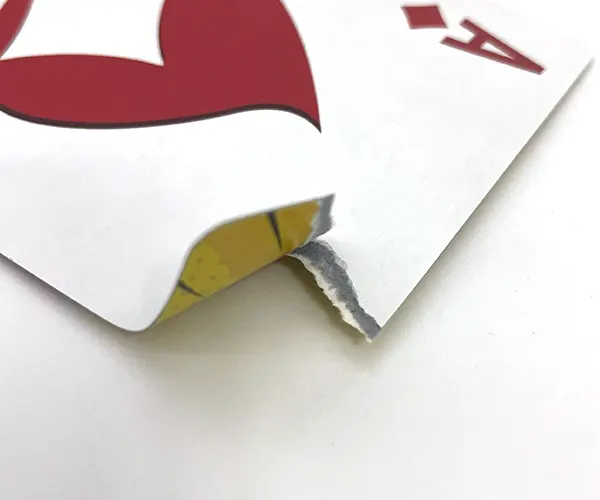
- Best for: TCGs, collectible card games, professional playing card decks, poker decks. Choose this when: opacity matters for gameplay, shuffle feel is important, or you want cards that feel professional and durable.
300 gsm Premium Cardstock
Premium cardstock is a high-quality laminate without the black centre layer. The core is white, which means the card edge shows white when die-cut — a standard appearance for board game cards, promotional decks, and educational materials.
At 300 gsm, this stock has a good, solid feel. It handles well in board games where cards are picked up, set down, and passed between players, but is not subjected to the kind of aggressive riffle-shuffling a TCG deck receives. It is the most versatile and cost-effective stock we offer for game cards, and the right choice for the majority of board game projects.
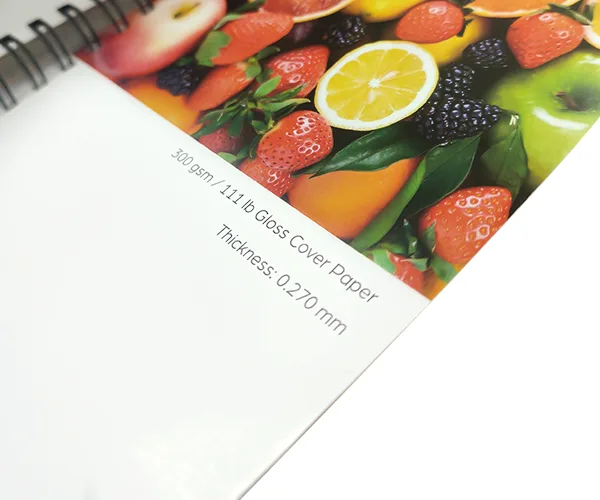
- Best for: board game action cards, resource cards, event cards, educational flash cards, promotional decks. Choose this when: opacity is not a gameplay concern, cost-per-card matters, or you're producing a large number of unique card types.
350 gsm Premium Cardstock
The same construction as the 300 gsm premium cardstock but thicker and more rigid. The additional weight creates a noticeably more substantial feel in the hand — cards feel more considered and luxurious when picked up.
350 gsm is the most popular stock for tarot and oracle decks, where the physical experience of handling the cards is part of the product’s appeal. It is also used for board games targeting a premium price point, and for any project where the tactile quality of the card is a differentiator.
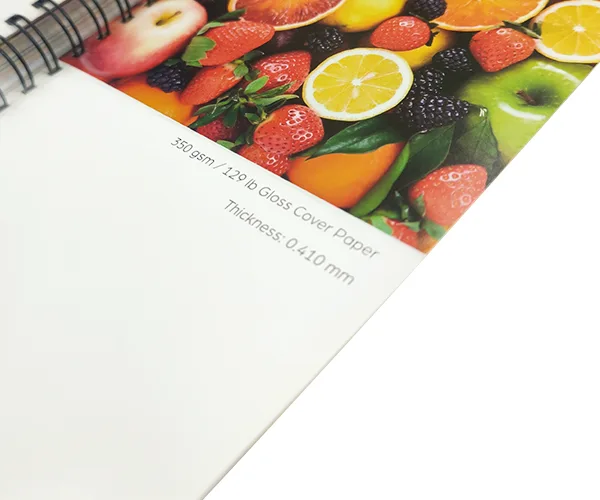
- Best for: tarot and oracle decks, premium board game cards, collector's editions, any project where hand feel is a selling point. Choose this when: you want the card to feel substantial and premium, and cost-per-card is less of a constraint.
| Stock | Weight | Core | White edge when cut? | Best for |
|---|---|---|---|---|
| Black core paper | 310 gsm | Black — opaque | No — dark edge | TCG, playing cards, poker |
| Premium cardstock | 300 gsm | White | Yes | Board game cards, flash cards, promos |
| Premium cardstock | 350 gsm | White | Yes | Tarot, oracle, premium board game cards |
Our Surface Finish Options
We offer nine surface finish options. Every card needs at least one base finish — lamination, varnish, or linen/texture — to protect the surface and complete the look. Some options combine a base with a special effect (spot UV) in a single specification.
Lamination Options
Lamination bonds a thin plastic film to the card surface after printing. It is the most durable surface finish we offer, providing strong resistance to moisture, handling, and surface wear. We offer three lamination types.
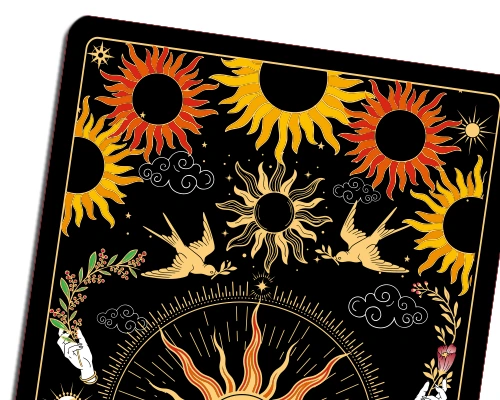
Matte Lamination
A non-reflective plastic film that gives cards a flat, understated finish. Matte lamination reduces glare, which makes cards easier to read under bright gaming or indoor lighting. It also photographs well — important for Kickstarter campaigns and online listings where cards need to look sharp in images.
- Best for: board game cards, TCG cards, any deck with dark or atmospheric artwork
- Pairs well with: spot UV (high contrast between flat matte and shiny UV areas), foil stamping
- Note: matte lamination can make colors appear slightly less vibrant than gloss lamination.
Gloss Lamination
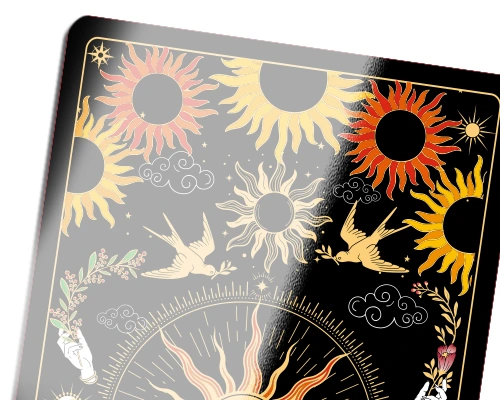
A shiny, reflective plastic film. Gloss lamination makes colors appear more saturated and vibrant — particularly effective for cards with bright, highly-detailed, full-color artwork. It gives cards a polished, commercial appearance.
- Best for: playing cards, promotional cards, TCG cards with bright vibrant artwork
- Note: gloss lamination shows fingerprints easily on dark areas, and spot UV cannot be added on top — both surfaces are glossy and the effect would be invisible
Soft Touch Lamination
A premium lamination with a velvety, almost suede-like texture. When someone picks up a deck finished in soft touch lamination, the tactile difference from standard matte or gloss is immediately noticeable — it feels more expensive and more considered. It is the most popular finish for premium tarot and oracle decks, and increasingly used for limited-edition board game cards.
- Best for: tarot and oracle decks, collector’s editions, premium board game cards, any deck where the first-touch experience matters
- Pairs well with: spot UV — the contrast between the velvet surface and the high-gloss UV areas is very striking
- Cost: higher than standard matte or gloss lamination
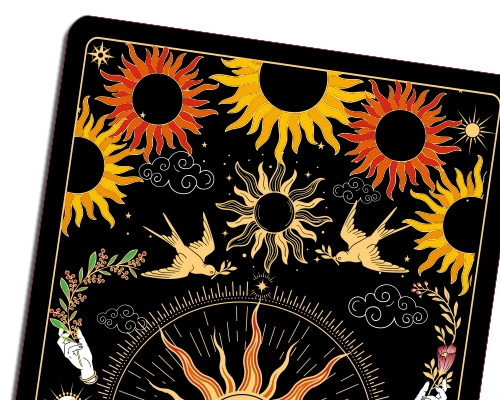
Lamination + Spot UV
Spot UV is a clear, high-gloss coating applied to specific areas of the card after lamination — typically used to highlight a character portrait, card title, border, or design element. It creates a visual and tactile contrast between the highlighted area and the surrounding surface.
We offer spot UV in two combinations:

Matte Lamination + Spot UV
The most commonly used spot UV combination. The contrast between the flat matte background and the high-gloss UV areas is clear and striking — you can both see and feel the difference. Effective for highlighting specific design elements without making the whole card feel commercial.
- Best for: board game cards where one or two elements (e.g. a card name or power symbol) deserve visual emphasis; premium TCG variant cards
- Note: each spot UV line should be at least 0.3mm
Soft Touch Lamination + Spot UV
The premium version. The velvet soft touch surface makes the gloss of the UV areas stand out even more than on standard matte — the contrast is more dramatic. Popular for tarot and oracle decks where a select element (a moon, a figure, a sigil) is given particular visual weight.
- Best for: premium tarot and oracle decks, collector’s edition card games, special variant cards
- Note: this is one of our most visually impactful options — use it selectively so the effect has room to stand out
Varnish Options
Varnish is a liquid coating applied during or after printing. It is thinner than lamination and less moisture-resistant, but more cost-effective for large runs and provides a clean, professional finish suited to several card types.
Varnish (Gloss Varnish)
A standard glossy liquid coating applied over the full card surface. Gives cards a bright, clean appearance with some protection against handling and light surface wear. Less durable than lamination but appropriate for promotional cards, event cards, and decks that won’t be subjected to heavy play.
- Best for: promotional cards, event decks, large-run cards where cost efficiency is a priority
- Not recommended for: TCGs or any game where cards will be shuffled frequently and intensively
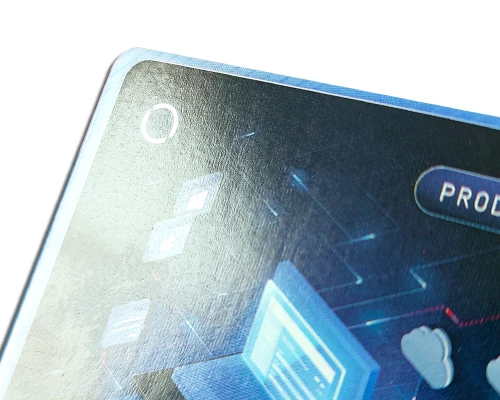
Matte Varnish
A non-reflective liquid coating that gives cards a flat, quiet finish similar in appearance to matte lamination, but with less surface protection. A practical choice for instructional and reference cards where readability under direct light is the priority.
- Best for: instructional cards, reference cards — any card where a low-glare, easy-to-read surface matters more than maximum durability
- Note: matte varnish has a subtle linear texture across the surface. This is a natural characteristic of the process — the texture comes from the conveyor belt on the coating machine, which imprints a fine directional pattern during application. It is not a defect, but it is worth knowing about if a completely smooth flat surface is important to your design.
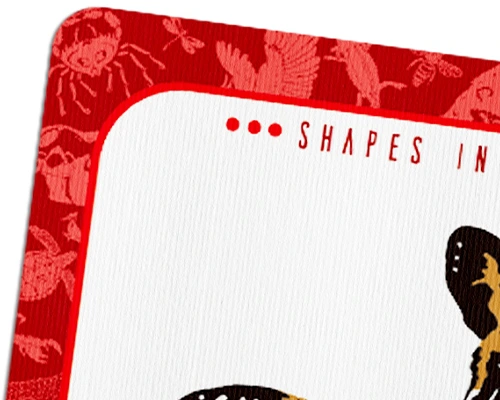
Poker Varnish
A specialised varnish formulated for playing cards and TCGs. Poker varnish gives cards a smooth, low-friction surface that allows them to glide past each other during shuffling and dealing — similar in effect to the linen texture finish, but with a smoother rather than textured surface. It is the traditional finish for casino-grade playing cards.
- Best for: traditional playing cards, poker decks, any card where smooth shuffle performance is the goal
- Note: poker varnish gives a different shuffle feel from linen texture — smoother and more “gliding” versus the controlled grip of linen

Linen or Textured Finish
Linen texture is a fine crosshatch pattern applied to the card surface during the finishing process. It is the defining tactile feature of professional TCG and playing cards — the finish used on Magic: The Gathering, Pokémon, and most professional card game products. The texture reduces friction between cards, allowing them to slide past each other smoothly during riffle-shuffling, overhand-shuffling, and dealing.
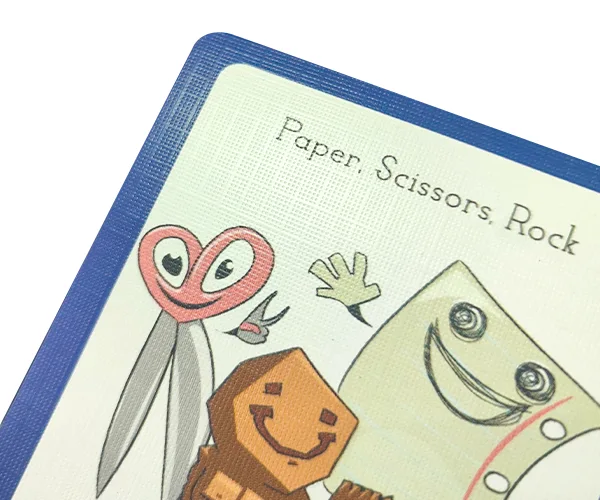
The textured surface also provides a degree of grip that players appreciate during gameplay — cards don’t slip and scatter as easily as smooth-finished cards. And because the texture distributes surface contact across many small peaks rather than a flat surface, fingerprints are less visible than on smooth matte or gloss finishes.
- Best for: TCGs, collectible card games, professional playing card decks — any game where shuffling is frequent and the quality of the shuffle experience matters
- Pairs with: varnish or poker varnish — the linen texture is applied after the varnish. The two finishes work together: varnish or poker varnish seals and protects the surface, while the linen texture is pressed in on top to add grip and reduce card-to-card friction.
- Note: linen texture is different from poker varnish. Linen gives a textured grip surface; poker varnish gives a smooth gliding surface. Both serve shuffle performance, but with a different feel
Recommendations by Card Type
TCG and Collectible Card Games
Opacity and shuffle feel are the two non-negotiable requirements for a competitive TCG. Cards that transmit light through the back can be identified by experienced players — a gameplay fairness problem. Cards that don’t shuffle smoothly frustrate play and undermine the tactile experience players associate with quality.
Recommended spec:
- Paper: 310 gsm black core
- Finish: Varnish + linen
- For rare / special variant cards: matte lamination + spot UV on the standard spec
Standard Playing Cards
Playing cards need to be durable and consistent across a full deck, and they need to shuffle cleanly — whether by riffle, overhand, or the table-spread method used by magicians and poker dealers.
Recommended spec:
- Paper: 310 gsm black core
- Finish: Poker varnish + linen
- Note: these two finishes work together, not against each other. The poker varnish seals the surface and provides the smooth, low-friction glide between cards. The linen texture is pressed in on top to add a controlled grip — so cards slide smoothly but don’t slip out of your hand. This combination is the standard for professional casino-grade playing cards.
Board Game Action, Resource, and Event Cards
Board game cards are handled frequently but shuffled less aggressively than TCG cards. The priority is durability across many play sessions and a clean, readable surface — not the shuffle performance optimised for a TCG deck.
Recommended spec:
- Paper: 300 gsm premium cardstock
- Finish: Matte lamination (most common) or gloss lamination
- For key cards (e.g. powerful abilities or boss cards): matte lamination + spot UV
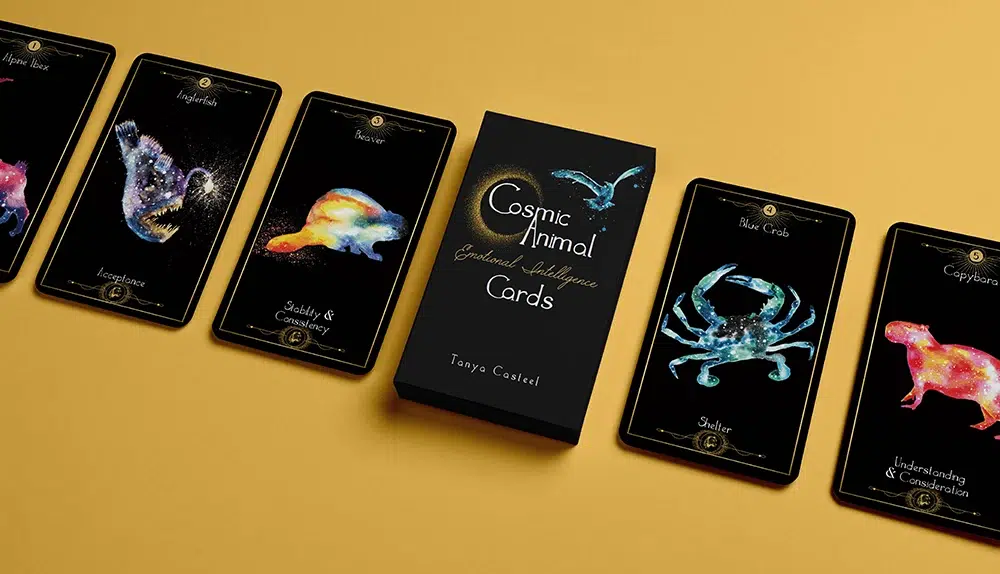
Tarot and Oracle Cards
Tarot and oracle cards are handled slowly and deliberately — laid out, studied, turned over one at a time. The physical experience of the card is central to the product. Buyers of tarot and oracle decks have high expectations for tactile and visual quality.
Recommended spec:
- Paper: 350 gsm premium cardstock
- Finish: Soft touch lamination (most popular) or matte lamination + spot UV
Cards Printed by QinPrinting
Educational Flash Cards
Flash cards need to be durable and easy to handle — picked up, sorted, set down, and handled by students repeatedly. They may also need to be writable on one side for annotations or answers.
Recommended spec:
- Paper: 300 or 350 gsm premium cardstock
- Finish: Matte lamination
Promotional and Event Cards
Promotional cards — for brand campaigns, events, game conventions, or marketing inserts — typically need good visual impact and reasonable durability, at a cost-effective price point.
Recommended spec:
- Paper: 300 or 350 gsm premium cardstock
- Finish: Gloss lamination or varnish (gloss)
Frequently Asked Questions
Q: What is the difference between black core and premium cardstock?
Black core paper has an opaque black centre layer that prevents light from passing through the card — essential for TCGs and competitive card games where players could otherwise identify cards by holding them up to the light. Premium cardstock has a white centre and shows a white edge when cut. It is a high-quality, durable stock suitable for board game cards, tarot decks, and flash cards where opacity is not a gameplay requirement.
Q: What is linen texture and why do TCG cards use it?
Linen texture is a fine crosshatch pattern applied during the finishing process, typically over varnish. It reduces friction between cards, allowing them to slide smoothly past each other during shuffling and dealing. It is the standard finish for professional TCGs and playing card decks — Magic: The Gathering, Pokémon, and most professional card games use a linen finish. If shuffle quality matters to your game, linen texture is worth specifying.
Q: What is poker varnish and how is it different from linen texture?
Both poker varnish and linen texture are used to optimise shuffle performance, but they produce a different feel. Poker varnish gives cards a smooth, gliding surface — the card faces slide past each other easily, which is the traditional feel of casino playing cards. Linen texture gives a controlled, textured grip — the crosshatch pattern reduces friction while giving each card a degree of tactile purchase. Which to choose depends on the feel you want: smooth and gliding, or textured and controlled.
Q: Can I add spot UV to any card stock?
Spot UV can be added to any of our three card stocks — 310 gsm black core, 300 gsm premium cardstock, and 350 gsm premium cardstock. However, it requires a matte or soft touch lamination base to show the effect clearly. Spot UV on a gloss lamination base is not effective — both surfaces are shiny and the contrast is not visible. We offer spot UV as part of two combined specifications: matte lamination + spot UV, and soft touch lamination + spot UV.
Q: What finish is best for tarot cards?
350 gsm premium cardstock with soft touch lamination is our most popular specification for tarot and oracle cards. The 350 gsm weight gives cards a satisfying, substantial feel; soft touch lamination provides the velvety surface that tarot buyers associate with a quality deck. For decks with highlighted design elements, soft touch lamination + spot UV is a strong upgrade — the contrast between the velvet surface and the gloss UV areas is very effective.
Q: How do I know which finish to choose?
Start with your card type and the primary experience you want to create. If shuffle feel is the priority (TCG, playing cards), choose linen texture or poker varnish. If tactile luxury is the priority (tarot, oracle, collector’s edition), choose soft touch lamination. If visual impact with good protection is the priority (board game cards, promotional cards), choose matte or gloss lamination. If you’re not sure, contact us — we can send a sample pack with examples of each finish so you can feel the difference before committing.
Ready to Print Your Cards?
We’ve helped thousands of game designers, publishers, and independent creators find the right paper and finish for their cards. Whether you’re printing 500 copies of a small TCG or 10,000 copies of a board game, we’ll help you find the specification that matches your design, your game mechanics, and your budget.