 Book Printing in China
 Custom Card Decks
 Custom Holographic Cards
 Free Wall Calendar Template
 Free Desk Calendar Template
 Folding Cartons
 Rigid Boxes
 Corrugated Boxes
 Custom Board Game
 Custom Card Game
 Kickstarter Print Solutions
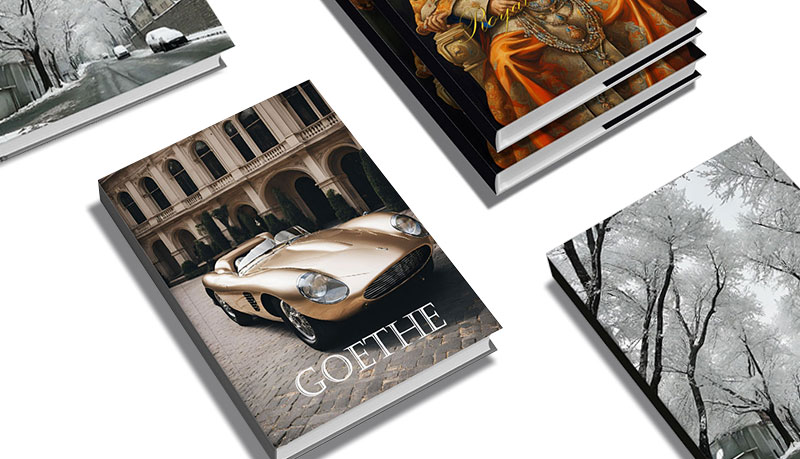
Hardcover books — also known as hardbacks or case bound books — are widely regarded as a mark of quality, durability, and craftsmanship. Compared to paperbacks, they offer larger format options, better protection for high-quality reproductions, a wider choice of papers, and special finishes such as embossing, debossing, and foil stamping.
While many genre fiction paperbacks are made to be read once and then passed on, most hardcover books are meant to be kept and treasured for a lifetime — sometimes even as heirlooms traveling across generations. However, within the broad category of ‘hardcover books’ there are several distinct types and styles to consider. In this guide, we explain each one, highlight its advantages and drawbacks, and help you choose the best format for your project.
Quick Comparison: Hardcover Book Types at a Glance
Use the table below to quickly compare the four main types of hardcover books:
| Binding Type | Durability | Lay Flat | Cost | Best For |
|---|---|---|---|---|
| Sewn & Glued | Excellent | Lay Flat | $$ | Art, Coffee Table, Academic |
| PUR Glued Case Bound | Good | No | $$$ | Journals, Trade Books |
| Wire-O Hard Case | Good | 360° Flat | $$$ | Cookbooks, Workbooks |
| Hardcover Board Book | Excellent | 180° Flat | $$$$ | Children's, Photo Albums |
Types of Hardcover Book Binding
1. PUR Glued Case Binding
In PUR glued case binding, the pages of the book are attached to the spine using PUR (Polyurethane Reactive) glue. The spine is part of the hard case, creating a seamless and durable bond. While PUR glue produces a strong and flexible hold, this binding method involves a longer production process and higher costs compared to sewn and glued binding. For this reason, when production conditions allow, QinPrinting defaults to sewn and glued binding rather than PUR glued binding.
Advantages
- Suitable for specific cases where sewn binding is not feasible due to book structure or page count constraints
- Allows extensive cover customization (foil stamping, embossing, soft-touch lamination)
- Suitable for a wide range of page counts
Disadvantages
- The stiff spine prevents the book from lying flat
- With repeated use and handling, pages can come loose over time
Best For
- Trade books, journals, and standard commercial publications
- QinPrinting Note: We rarely recommend PUR glued case binding unless a customer specifically requests it. PUR binding takes longer to produce and costs more than sewn and glued binding. Our default is sewn and glued — it delivers superior durability, lays flat beautifully, and offers better value for almost every project.
2. Sewn and Glued Hardcover Binding
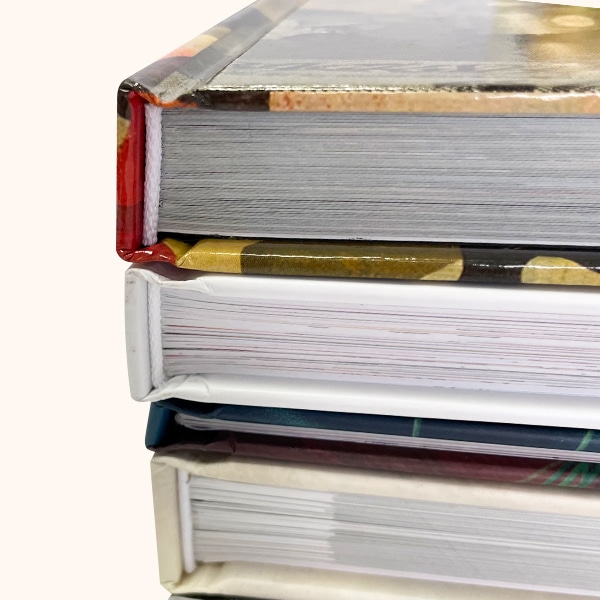
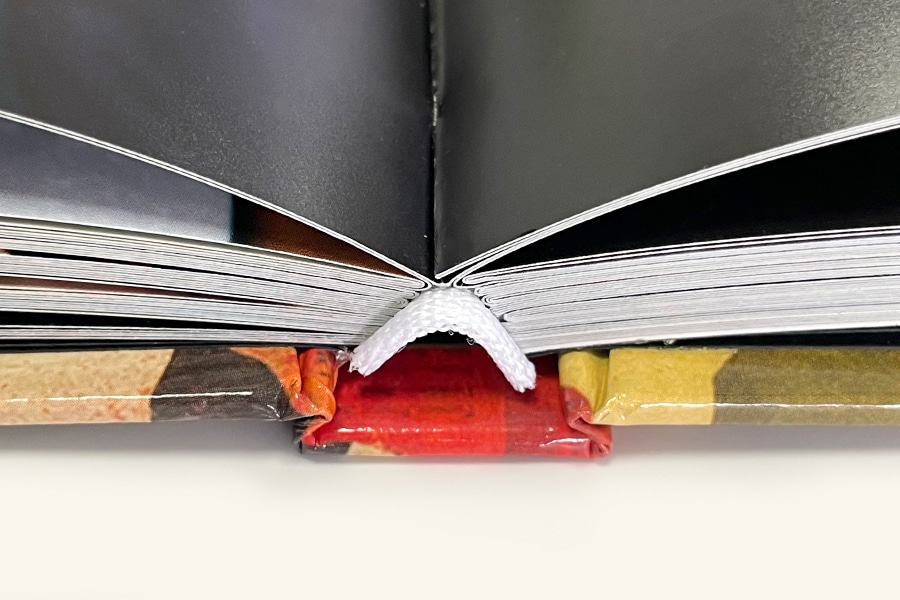
Sewn and glued binding — also called Smyth sewn binding — involves sewing bundles of pages (known as signatures) together before gluing and stitching them into the hard casing. This is the gold standard in hardcover bookbinding and QinPrinting’s default method.
Advantages
- Maximum durability — the book can withstand extensive reading and handling
- The book opens and lies flat without damaging the spine or risking pages coming loose
- Ideal for double-page spreads in art books, coffee-table books, and photography books
- Books retain their beauty for decades — even lifetimes
Disadvantages
- With very heavy use over many years, slight cracking at the spine is possible — though this is rare and requires considerable handling to occur
Best For
- Art books, coffee-table books, children’s picture books, and any book intended to last
- QinPrinting Note: We provide sewn and glued hardcover binding as our standard at competitive prices — because we believe every customer deserves a premium product regardless of their budget.
3. Wire-O Hardcover Binding
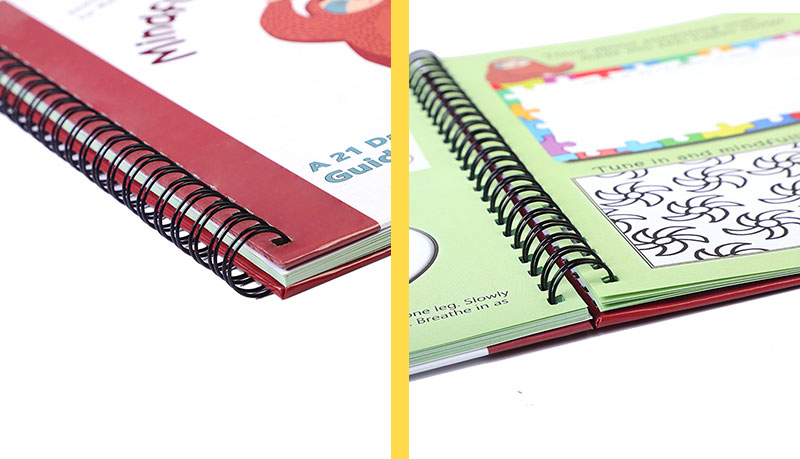
Wire-O hardcover binding combines the durability of a hard case with the practicality of a wire coil binding. A metal wire coil runs through punched holes along the spine, allowing the book to lay completely flat — even fold back on itself 360 degrees.
Advantages
- Opens completely flat (360°) — ideal for hands-free reference
- Hard cover provides premium look and protection
- Pages don’t shift or pull away from the spine
- Available in multiple wire colors to complement your design
Disadvantages
- Not compatible with cloth or genuine leather covers
- Wire spine can catch on other items when stored
- Less elegant than sewn binding for display purposes
Best For
- New Addition: Wire-O Hardcover is now available at QinPrinting. If your book needs to lie completely flat during use — such as a recipe book or a workbook — this is an excellent choice.
4. Hardcover Board Book (Hybrid)
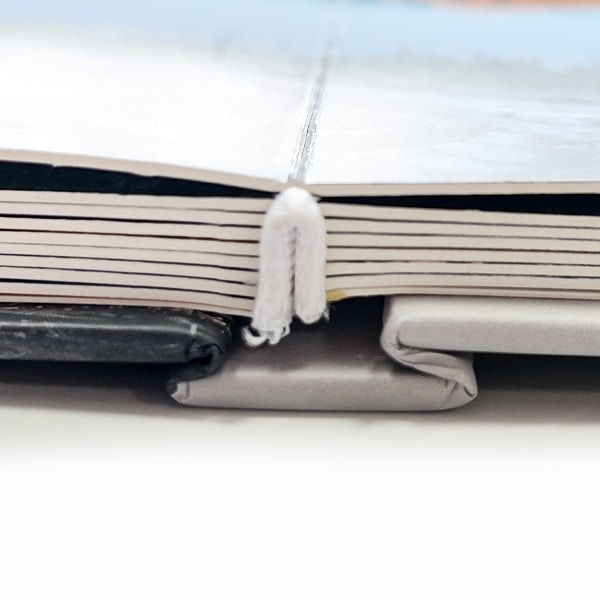
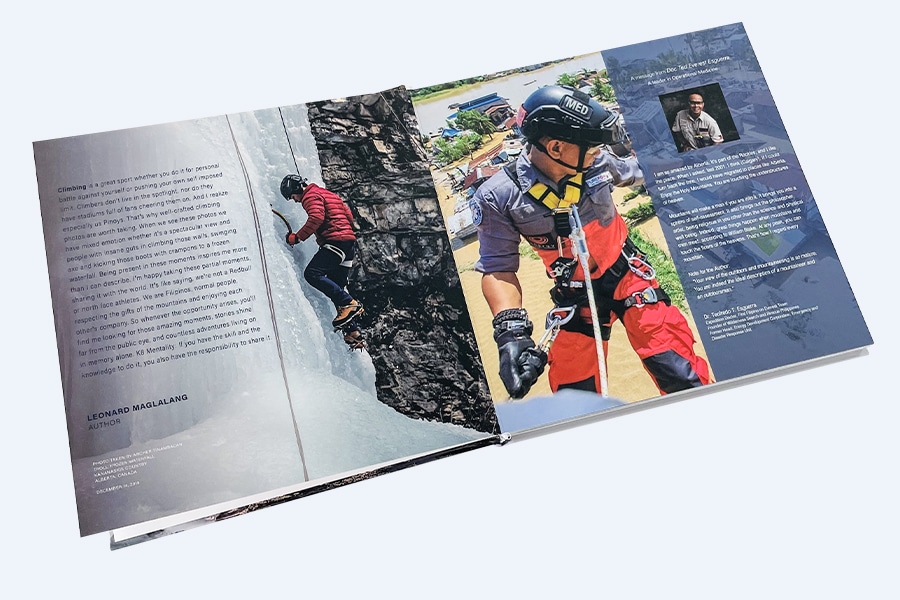
The hardcover board book is a hybrid format that combines the protective hard case of a standard hardcover with the thick, durable pages of a board book. Inside pages are made from thick paperboard (two sheets glued together), while the exterior is reinforced with gray board — just like a standard hardcover.
Advantages
- Extremely durable — withstands chewing, tearing, and rough handling
- Opens 180° flat — perfect for panoramic spreads
- Combines the premium feel of a hardcover with the sturdiness of board pages
Disadvantages
- Higher cost due to the specialized construction
- Limited to relatively short page counts
Best For
- Children’s picture books, panoramic photography albums, and keepsake books
Hardcover Cover Material Options
Regardless of the binding method you choose, the outer material of your hardcover can be customized in several ways:
Coated Paper with Lamination
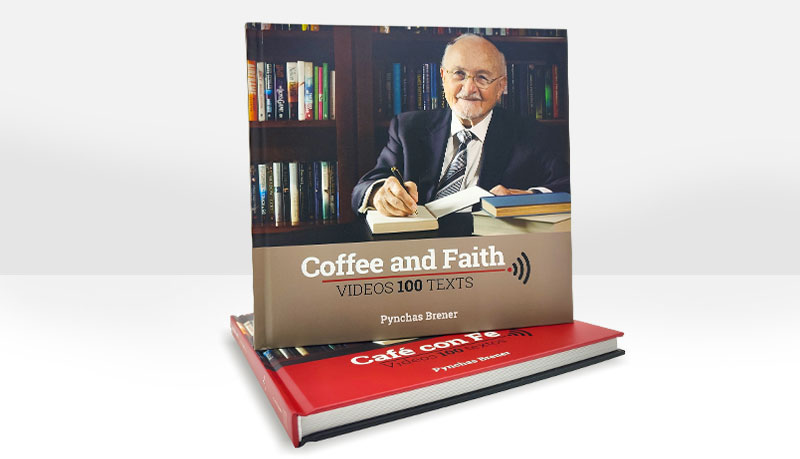
The most common and versatile option. Typically 157gsm coated paper wrapped over a high-density 2mm, 2.5mm, or 3mm gray board (depending on book size and page count), finished with gloss, matte, or soft-touch lamination. Compatible with special finishes including foil stamping, spot UV, embossing, and debossing. Ideal for vibrant photographic covers. At QinPrinting, we use 3mm gray board as our standard for most projects to ensure the cover remains rigid and warp-resistant over time.
Cloth (Buckram or Linen)
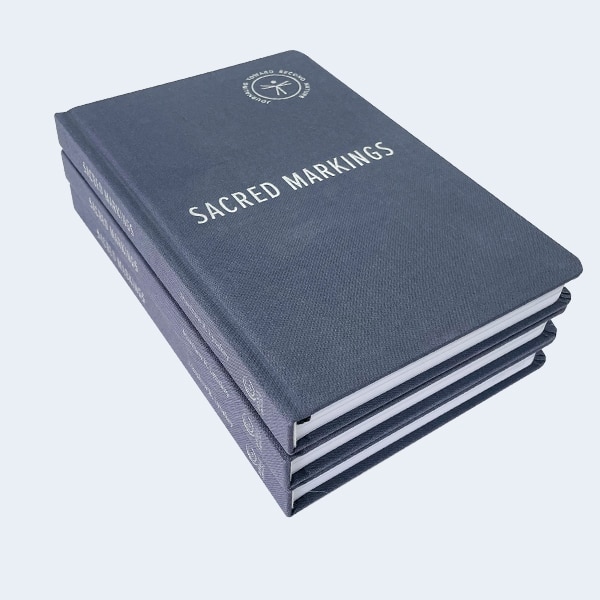
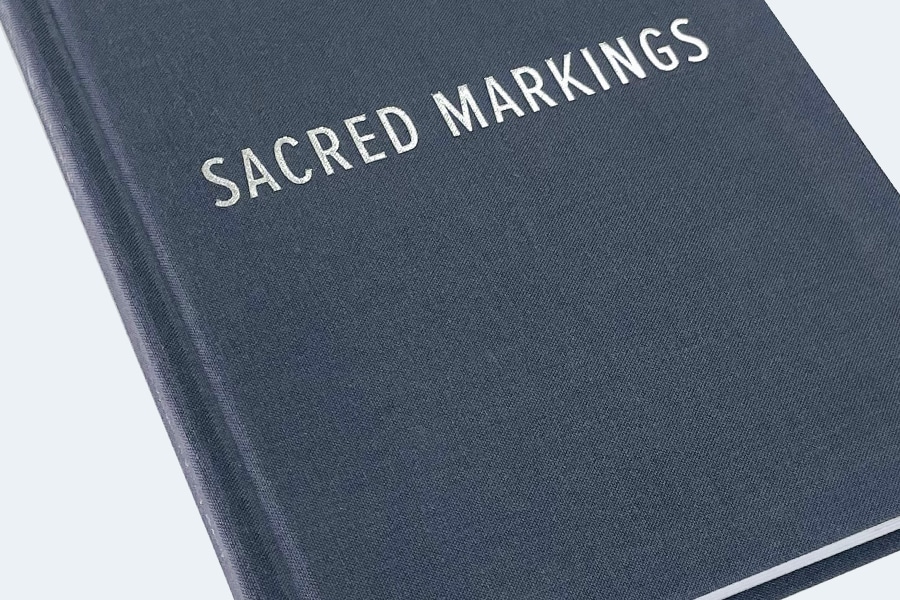
A traditional woven fabric for a premium, library-quality finish. Cloth gives the book a timeless, sophisticated appearance associated with special editions and collector’s books. Highly durable and resistant to moisture and wear.
Best finishing options: Foil stamping, blind debossing, and paper paste-on labels.
Ideal for: Special editions, collector’s books, academic publications, anniversary gifts, and luxury gifts.
Note: Less versatile for full-color photographic cover designs; best paired with minimal, elegant typography.
Faux Leather (Leatherette / PU Leather)
Faux leather (also called leatherette or PU leather) mimics the look and feel of genuine leather at a fraction of the cost. Available in a range of colors and textures, it conveys prestige without the ethical or budgetary concerns of real leather.
Best finishing options: Foil stamping and blind debossing for elegant personalization.
Ideal for: Bibles, journals, planners, devotionals, luxury gift books, and yearbooks.
Note: Not suitable for full-color photographic cover printing.
Textured or Specialty Papers
Linen, laid, or other textured papers offer distinctive creative options. Lighter colored textured papers can be printed directly, while darker papers pair beautifully with foil stamping or embossing.
How to Choose the Right Hardcover Type
Choosing the right hardcover format depends on four key factors:
- Book content and use: Does your book need to lie flat? (Cookbooks → Wire-O; Art books → Sewn & Glued; Children’s → Board Book)
- Target audience: Children’s books need durability (Board Book); collector’s editions need prestige (Cloth or Faux Leather)
- Budget: Sewn and glued binding offers the best value for most hardcover projects — it is both more affordable and faster to produce than PUR glued case binding. PUR glued binding costs more and takes longer, so it is only recommended when a customer specifically requests it. Cloth and faux leather covers add cost regardless of binding method.
- Print run size: Offset printing (QinPrinting‘s specialty) makes hardcovers cost-effective at 100+ copies
Still unsure? Our team has over 35 years of experience helping publishers, independent authors, and businesses choose the perfect binding and cover combination for their projects. From a single title to a full print run, our custom book printing services cover every format, binding, and finish — and we’re happy to walk you through the options.
A Note on Dust Jackets
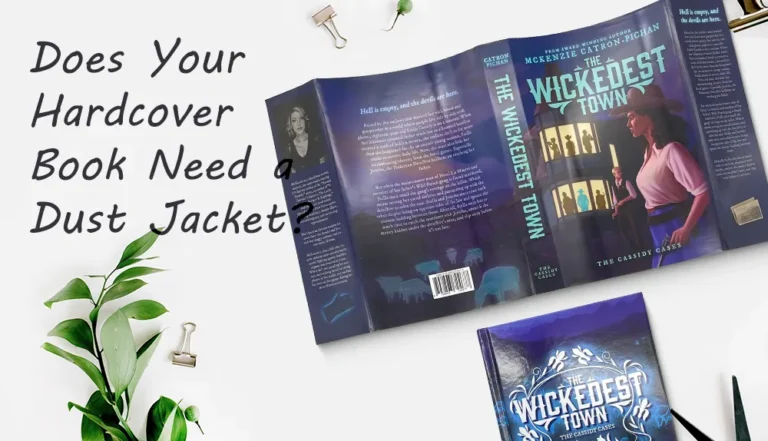
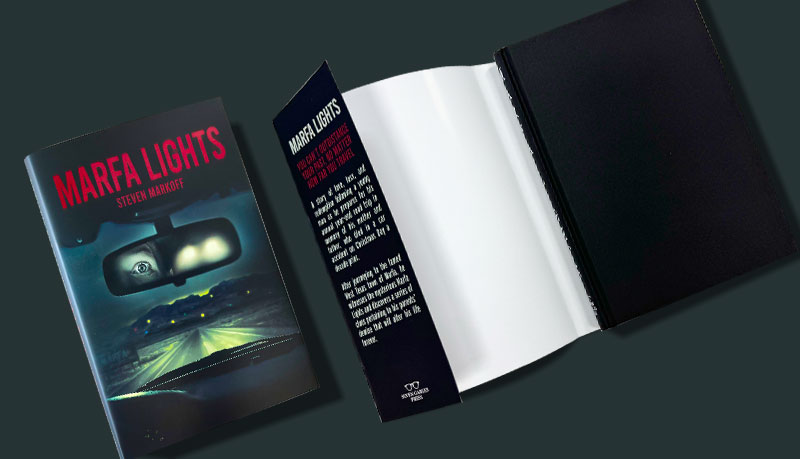
A dust jacket is a removable paper sleeve that wraps around any hardcover book. It adds an extra layer of protection and serves as the primary visual and marketing surface for the book. Dust jackets are typically printed on 200gsm or 250gsm coated paper with lamination or special finishes.
- Use 250gsm paper for larger, heavier books
- Use 200gsm for smaller formats
- Dust jackets can be enhanced with spot UV, foil stamping, or embossing for a premium look
Dust jackets are optional on all hardcover types, but are most common on sewn and glued cloth or paper-wrapped hardcovers.
A Note on Slipcases
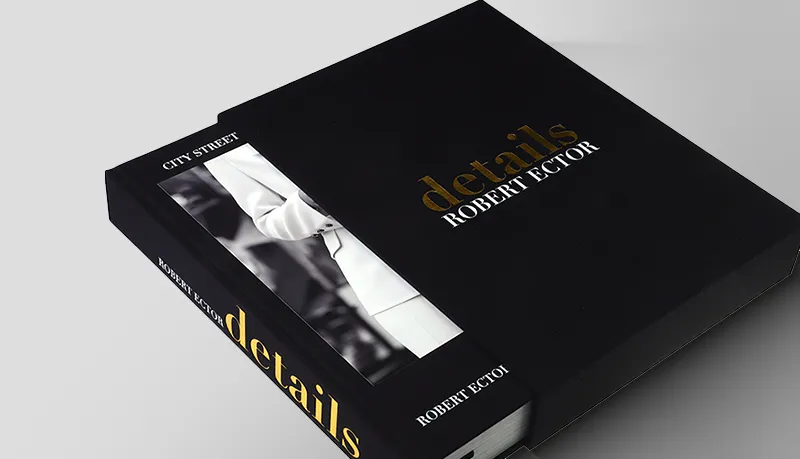
A slipcase is a protective open-ended box into which a hardcover book — or a set of books — slides snugly. Unlike a dust jacket, which wraps around the book itself, a slipcase is a standalone enclosure that houses the entire volume. The spine of the book remains visible when stored inside the slipcase, making it both functional and display-worthy.
Slipcases are constructed from heavy-duty 2.5mm or 3mm rigid greyboard to provide maximum structural protection for your collection wrapped in printed paper, cloth, or faux leather — the same materials used for hardcover cases — and can be finished with foil stamping, embossing, debossing, or soft-touch lamination.
Advantages
- Provides maximum protection for premium, collector’s, or limited-edition books
- Elevates perceived value — a slipcase immediately signals a luxury product
- Ideal for boxed sets, where multiple volumes are housed together in a single enclosure
- Spine remains visible on the shelf, preserving display aesthetics
- Fully customizable in material, color, and finish to match the book’s cover design
Common Use Cases
- Collector’s and limited editions where presentation is part of the value
- Multi-volume sets (e.g., complete works, encyclopedia series, gift sets)
- Art books, photography books, and coffee-table books intended as gifts or display pieces
- Corporate gifting and branded premium publications
Slipcase vs. Dust Jacket
Dust jacket: Wraps around the book; primarily a marketing and decorative surface; relatively lightweight protection.
Slipcase: A rigid enclosure for the entire book; provides structural protection; signals collectible or premium status.
The two are not mutually exclusive — many high-end books feature both a dust jacket and a slipcase for the ultimate presentation.
- QinPrinting Note: We offer custom slipcases in printed paper, cloth, and faux leather finishes, fully matched to your hardcover design. Slipcases can be ordered alongside your book printing for a seamless, end-to-end premium product.
Ready to Print Your Hardcover Book?
With 35 years of expertise, QinPrinting delivers premium hardcover books at the most competitive prices — with your success as our top priority.