 Book Printing in China
 Custom Card Decks
 Custom Holographic Cards
 Free Wall Calendar Template
 Free Desk Calendar Template
 Folding Cartons
 Rigid Boxes
 Corrugated Boxes
 Custom Board Game
 Custom Card Game
 Kickstarter Print Solutions
A complete guide for publishers and self-publishers
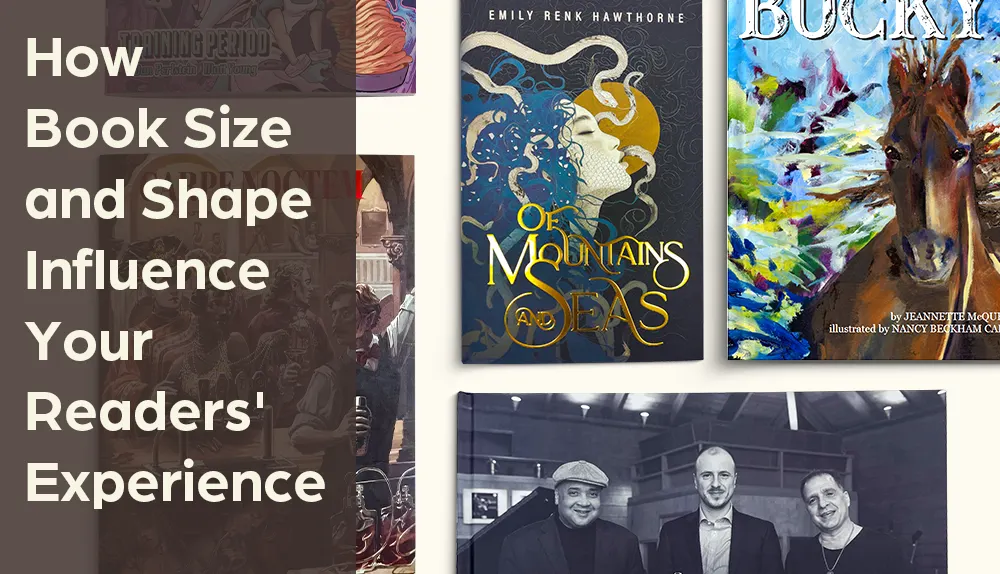
Most authors and designers understandably spend long hours on words and cover art. Unfortunately, format often comes later, almost as an afterthought; a technical detail. That habit can lose you a lot of readers. Why? Because the size and shape of a book, obvious as this may seem, change how readers see, hold, and understand the content. Format is effectively as much a part of the message your book gives as the content and the marketing. So, we think it deserves your close attention.
Why book format matters for authors and designers
A book is a physical object and the first contact a potential buyer has with it will be either as an object on a shelf in a store or library, or as an image of the physical object online. Before they ever read a word. The potential reader notices its size, weight, and proportions before they even think about reading the first line of text. These traits—size, weight, proportions—act as subconscious signals. A slim paperback suggests a light and portable read. A heavy hardcover suggests importance, care, and long use. Colors matter, too, and the relative size of titles to the author’s name and other cover elements.
Format guides the reader’s eye across each spread within the book, too. It shapes line length, margin width, and the space around images. A narrow page supports short, tight lines of text. A broader page opens room for sidebars, diagrams, or generous white space. Readers may not think about this in conscious terms, yet they respond to it. And you, as the designer, need to think about design in terms of format to make the most of the potential of all these factors.
Format also shapes reader (and bookseller) expectations. A compact novel feels personal and private, something to settle down with and escape into after a long day. A large format book printing project for art or photography feels public and display driven; like a gallery on paper; and it may also signal a statement about style, education, authority, and taste. If format matches the content, the reading experience feels natural and strong. If not, you can confuse and disappoint your readers.
When standard book sizes are the right choice
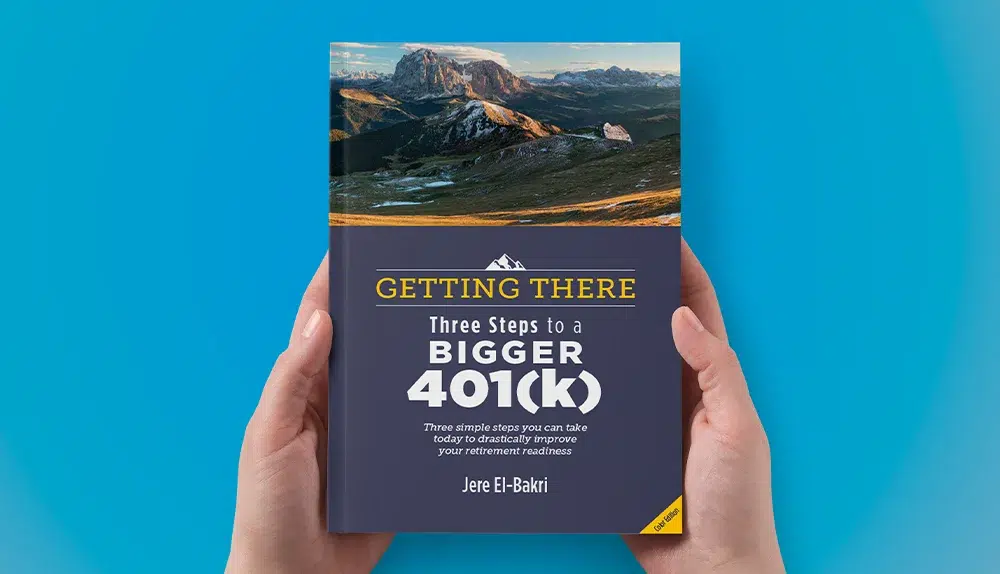
Standard trim sizes do, of course, exist; and they exist for good reasons. They match common printing presses, bookshop shelves, and shipping cartons. They fit the human hand in a predictable way; and they keep costs under control for most book printing projects.
And you can feel safe that many genres suit standard sizes without issues. Novels, memoirs, essay collections, and most text-heavy nonfiction fall in this group. Academic titles and manuals often follow the same path. Readers know what to expect from these familiar shapes. Designers can work with clear templates and long-established practice.
Standard sizes also help with file setup and streamline the journey into print. Templates already exist for bleed, margins, and spine widths and this reduces risk and saves time. It also makes reprints and new editions simpler. For many projects, the safe and sensible choice is a standard format. We can provide you with templates for all your print projects. But a standard template isn’t always the best answer to your needs.
What large format book printing adds to a project
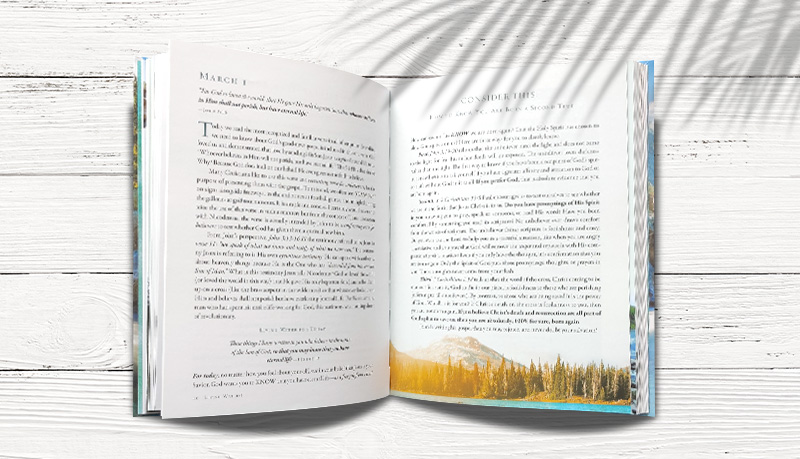
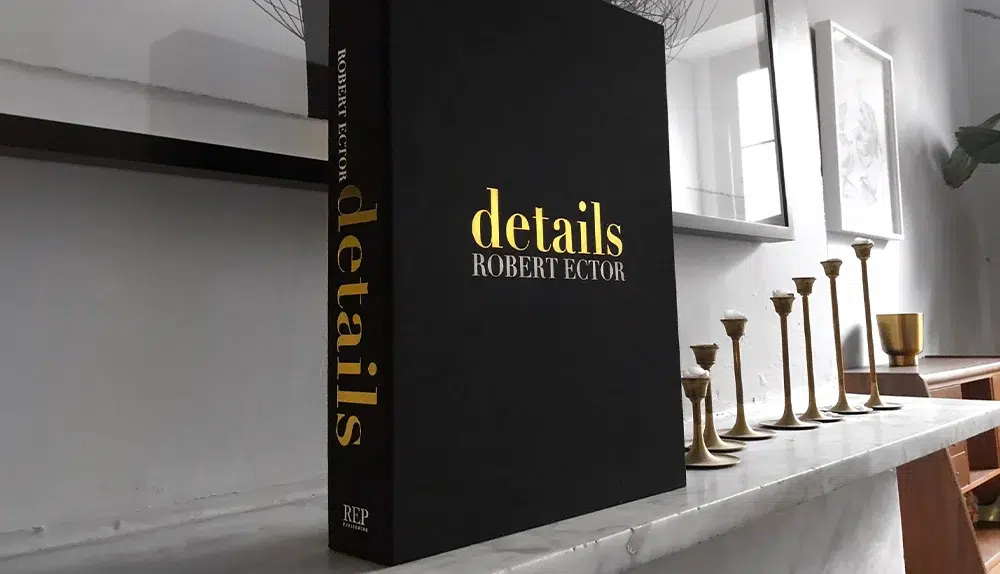
Some books ask for more physical space. Large format book printing supports detailed images, complex layouts, and content that needs room to breathe and expand onto the page or across a spread. One spread can hold a full-page photograph on one side and text on the other side. The eye moves in a calm rhythm between image and explanation. So, while standard templates are often useful, if your project requires it, you can think in terms of customizing and designing your format from the bottom up to meet the specific needs of the book you’re creating.
Oversized book printing suits art books, photography collections, design portfolios, and high-end company histories. Cookbooks, atlases, and visual guides gain clarity from big, readable diagrams and step-by-step images. Children’s picture books often benefit from larger pages that give young readers clear and bold scenes.
The gain comes with trade-offs. Larger books use more paper and ink. They weigh more and cost more to ship. They take more space on shelves and in storage. For this reason, large formats work best when the visual or tactile impact justifies these extra demands.
When alternative book shapes make sense
Portrait format still dominates most book printing, and that’s partly for economic reasons as many printers will charge you an added fee for a landscape or other formatted book. We won’t do that, but our service is exceptional and built on a deep understanding of our clients’ needs over many decades. Even so, landscape and square books fill important roles. A landscape layout suits content that runs horizontally. This includes panoramic photos, music scores, technical diagrams, and many step-by-step tutorials. The shape supports the content, not the other way around.
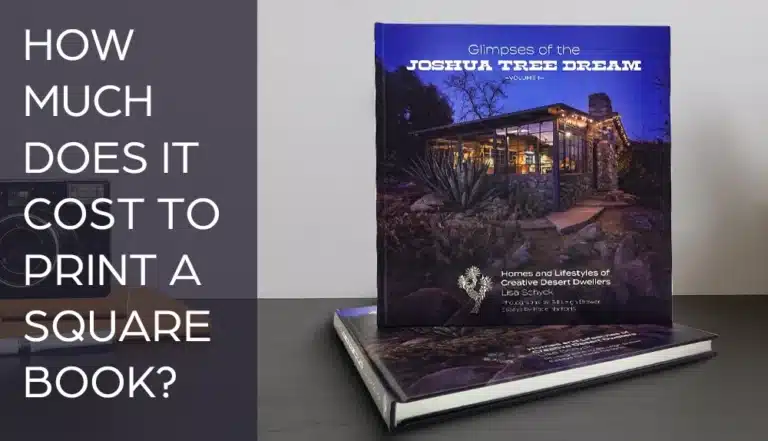
Square books create a different mood. They often feel modern, clean, and balanced. Many photography books, art catalogues, and design titles use square formats. The equal proportions give images a strong frame and create regular, predictable grids for layout.
Custom trim sizes and unusual proportions can support branding. A company report in a tall, narrow format can stand out at events or on a reception desk. A small, chunky gift book can feel friendly and special. Such formats often need custom quotes and more planning, since they sit outside standard press and binding setups.
How readers physically interact with books
As we said at the outset, a book is first and foremost, a physical object, like any work of art. So, a book must feel good in the hands. Weight, thickness, and surface texture all feed into that feeling. A heavy, dense book suits a coffee table or studio. A light paperback suits a commute or holiday. Both can succeed when the physical feel supports the reading context.
Paper choice plays a central role in all of this. Thick coated paper gives strong color for images and graphics. It also adds weight and stiffness. Lighter uncoated paper feels softer and is easier to carry for long reading sessions. The right balance depends on how and where readers will use the book.
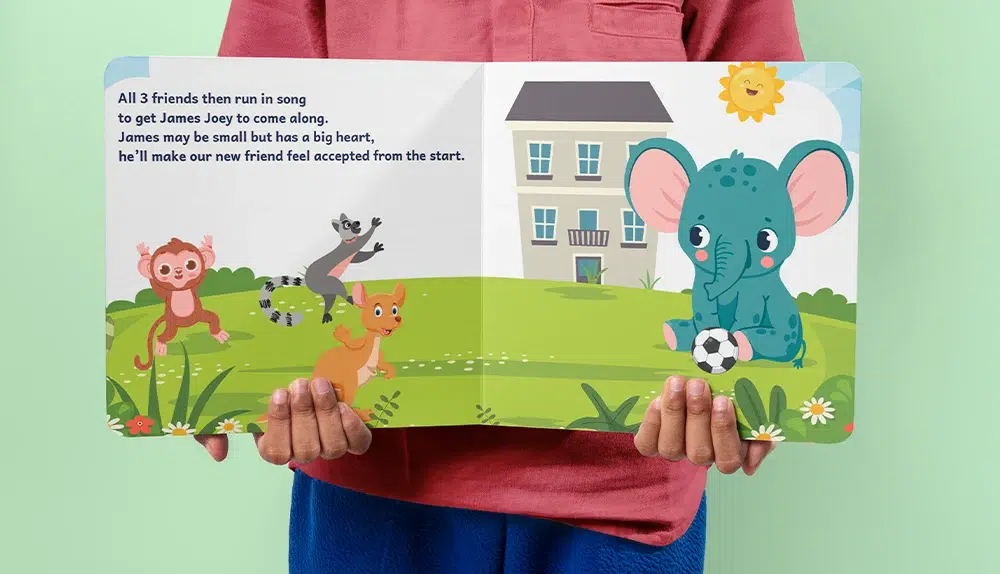
Children’s books raise special points. Pages should turn easily for small hands. Boards or thicker paper help pages survive rough use. Rounded corners increase comfort and safety. In every case, the format tells the reader as much as the text
Technical factors that shape your book format decision
Format does not sit alone in isolation from the material elements that compose it. It interacts with paper type, binding, and layout. Large format books often need heavier paper to resist curling or show-through. Photo books and art titles often use coated or art papers. Text-heavy books often use lighter, opaque stock that prints clean black type without glare.
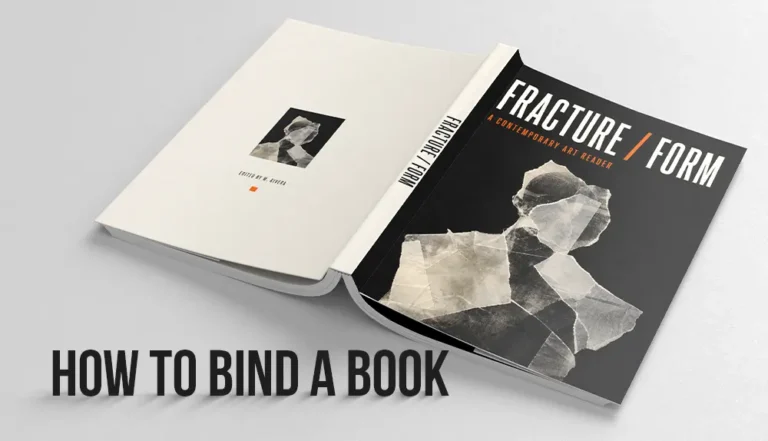
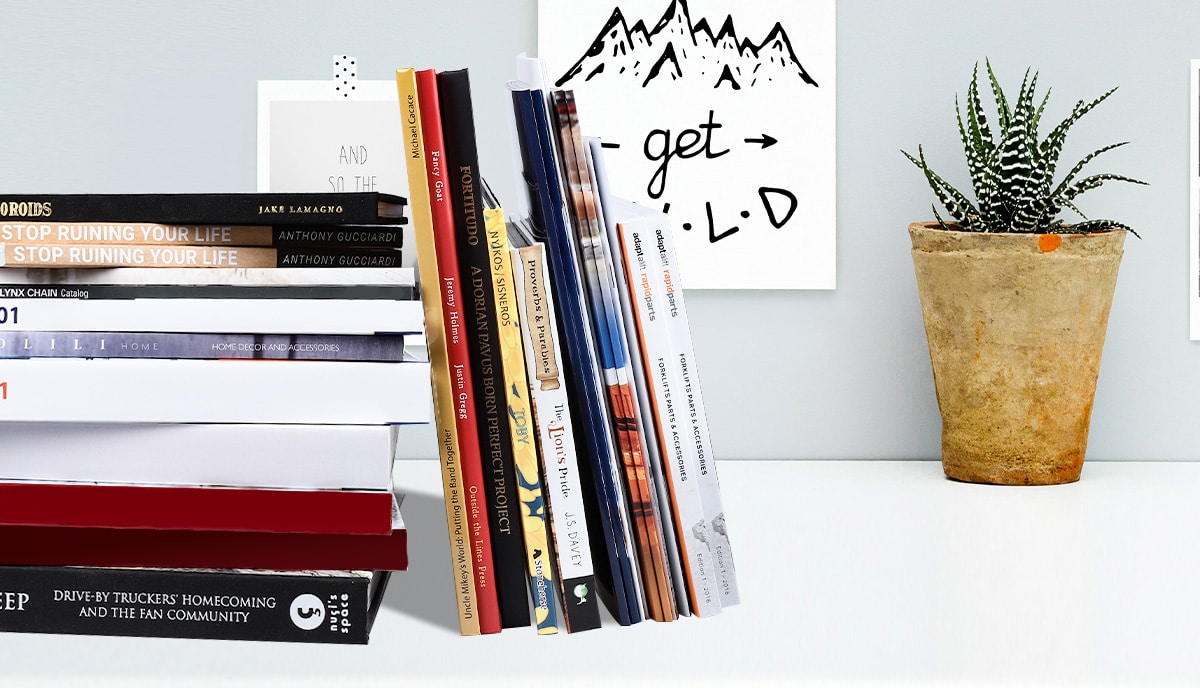
Binding type must match size and page count. Thin books with low page counts suit saddle stitching. Most trade paperbacks use perfect binding. Many premium projects use case binding for a strong hardcover. Very large or very heavy books need strong binding and careful glue or sewing choices, so pages stay flat and secure.
Layout choices follow the trim size. Designers must set margins, gutters, and columns with the final format in mind. A narrow book needs different line lengths than a wide one. Spreads with full-bleed images need extra care at trims and folds. Early clarity on format helps the whole design process.
Balancing budget with design in book printing
Of course, a ready-made template is always going to result in a cheaper production and the more fully customized your design, the more it is likely to cost. Every format choice affects cost; that’s unavoidable, but it also allows you degrees of freedom to design a book that meets your artistic and budget needs by balancing these elements with care and attention. Larger trim sizes use more paper per copy. Heavier stocks increase total weight per carton. That weight flows into shipping and storage cost. Custom sizes can require special press setups or more waste from each printed sheet.
There are many ways to keep control. A project that seems to need a very large size can sometimes move to a slightly smaller standard size with minimal impact on the experience. A book that needs color images on some pages can group them in sections, and print other pages in black and white. A series can share one trim size across all volumes, which simplifies reprints and logistics.
Early conversations with a print partner help here. Clear estimates for two or three sizes let you see real price steps, not guesses. That information makes it easier to match design goals and budget.
How to choose the best format for your book
Start with the purpose of the book. Is it for daily reading, reference, study, display, or gifts? A novel for travel needs a compact format and light weight. A visual showcase of paintings needs space, weight, and strong paper. A company handbook needs tough binding and clear diagrams?
Think about your reader’s context. Will they carry the book or keep it on a desk? Will they read in short bursts or long sessions? Will they share it with children or clients? Each answer points toward certain sizes and shapes.
Look at samples. Printed examples give a better sense of scale than screen mockups. You can feel paper, check color, and judge comfort. Once you see and hold a close match, your format decision becomes clear.
Frequently asked questions about book formats
1. What is the most common book size for self-published authors?
Many self-published authors choose common trade paperback sizes. A popular choice is around 6″ × 9″. Smaller sizes such as 5.5″ × 8.5″ also work well. These sizes feel familiar to readers and match many online retailer templates. They balance cost, comfort, and page count in a practical way.
2. When should I choose large format book printing instead of a standard trim size?
Large format suits projects with strong visual content. Art, photography, children’s picture books, and design portfolios sit in this group. These projects gain from wide margins, full-page images, and open layouts. If images lose detail when reduced to standard size, a larger format is a better match. When in doubt, compare test spreads at two sizes on paper.
3. Are square or landscape books more expensive to print?
Square and landscape formats often cost more than standard portrait sizes. They may leave more unused space on each printed sheet. They may need special binding setups. This can raise both unit cost and total cost. Even so, the visual impact can justify the extra spend for the right project.
4. What paper type works best for photo-heavy or art books?
Photo-heavy books usually work best with coated or art papers. These stocks hold fine detail and rich color with less dot gain. Satin or matte coated papers give strong images without harsh glare. Gloss papers give extra punch to color and contrast. The final choice depends on the mood you want for the images.
5. Does the binding method change depending on book size?
Yes, size and page count guide binding choice. Small, low-page books can use saddle stitching. Medium and longer books often use perfect binding for paperbacks. Heavy or large format books often move to case binding for strength. Some projects use sewn bindings for extra durability.
6. Can unusual or custom trim sizes cause issues with retailers or shipping?
Custom sizes can affect how retailers shelve and ship books. Very tall or wide books may not fit standard shelves. They may need special carton sizes and careful packing. Shipping costs can rise if weight or volume increases. Before you commit, check any size rules from key retailers and distributors.
7. How early in the design process should I decide the book format?
Format should be one of your first decisions. Trim size, orientation, and binding type guide every layout choice that follows. Early clarity helps you set grid systems, margins, and type sizes. It reduces the risk of major redesign later. It also lets your printer offer accurate quotes and technical advice from the start.
Ready to print your book? Talk to us!
A clear format choice brings story, design, and production into one coherent plan. The right size and shape support your content and match your reader’s needs. That choice affects paper, binding, layout, and cost, so it deserves focused attention.
If you plan a new book, speak with the team at QinPrinting before you finalize your files. We can share samples, discuss standard and custom formats, and prepare detailed quotes for large format and standard book printing. That guidance will help you choose a format that looks good, reads well, and fits your budget.