 Book Printing in China
 Custom Card Decks
 Custom Holographic Cards
 Free Wall Calendar Template
 Free Desk Calendar Template
 Folding Cartons
 Rigid Boxes
 Corrugated Boxes
 Custom Board Game
 Custom Card Game
 Kickstarter Print Solutions
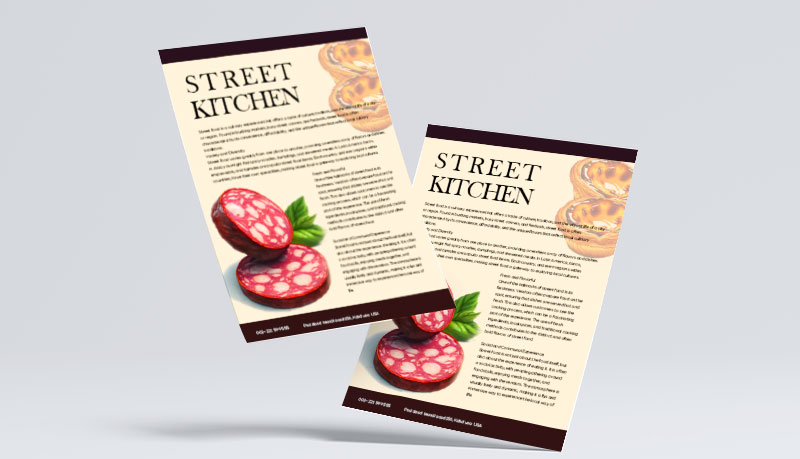
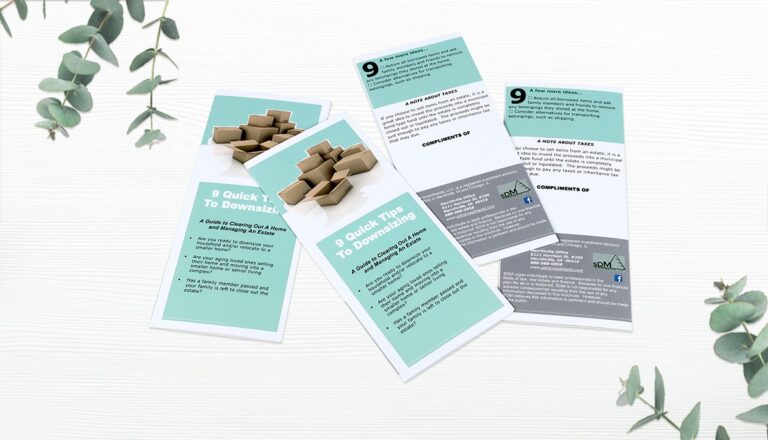
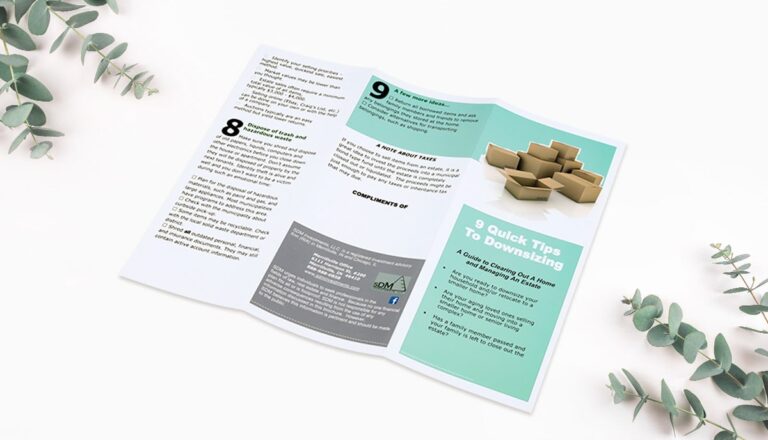
Brochure printed by QinPrinting
Paper is the first thing your audience touches. Before they read a word, their hands have already formed an opinion — about your brand, your credibility, and whether this brochure is worth keeping. Get the paper right and everything else works harder. Get it wrong and even a brilliant design can feel cheap.
The good news is that choosing the right paper is not complicated once you understand a few key variables: weight, surface finish, and how the paper needs to fold. This guide walks you through each one — with specific gsm recommendations, a finish comparison table, and a quick decision guide you can use right now.
The Short Answer
For most brochures, the best starting point is 157 gsm coated paper with matte or gloss lamination. It folds cleanly, handles images well, and feels substantial without being heavy or expensive. From there, you adjust up or down based on your brochure format, content, and budget.
Paper Weight by Brochure Type
Paper weight (measured in gsm — grams per square metre) is the single most important variable. It determines how the brochure folds, how it feels in the hand, and how durable it is.
| Brochure Type | Recommended Weight | Why |
|---|---|---|
| Tri-fold (DL) | 105–250 gsm | Depends on the folded size. Larger size, heavier paper; smaller size, lighter paper. Light enough to fold cleanly without cracking; heavy paper with lamination feels premium. |
| Bi-fold / half-fold | 128–300 gsm | Depends on the final folded size. The single fold can handle more weight than a multi-fold format. 250 gsm gives a noticeably premium feel. |
| Saddle-stitched booklet | 105–157 gsm | Interior pages: 105–157 gsm. Cover: 250–300 gsm for a heavier, more protective feel. Avoid going over 157 gsm on interiors — the booklet becomes too stiff. |
| Single-sheet A4 / A5 | 128–250 gsm | No fold required, so you can go heavier. 250 gsm gives a near-card feel that communicates quality. Below 128 gsm, a single sheet feels flimsy. |
| Gatefold / accordion | 80–157 gsm | Multiple folds mean multiple crease points. Keep the weight at the lower end of this range — with lamination to add surface rigidity — to avoid cracking at every fold. |
| Premium / perfect-bound brochure | Cover: 250–300 gsm Interior: 128–157 gsm | Treat the cover like a book: heavy, laminated, optionally with embossing or foil. Interior pages need enough weight to display photography well without adding excessive bulk. |
A practical rule: if your brochure has more than two folds, come down in weight. If it has no folds at all, go up. If the brochure is smaller than A4, you may choose a thinner paper.
Coated vs. Uncoated Paper
The coating on a paper affects how ink sits on the surface — which in turn affects color vibrancy, readability, and tactile feel.
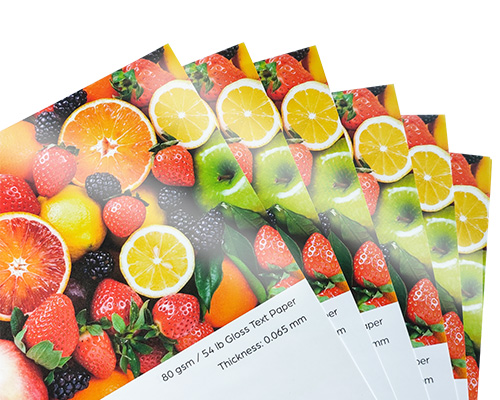
Coated paper
A mineral coating is applied to one or both sides of the sheet before printing. The coating fills the micro-gaps in the paper fiber, creating a smoother surface that holds ink on top rather than absorbing it. The result: sharper images, more vibrant color, and finer text rendering. Most brochures with photography use coated paper.
Uncoated paper
No surface coating — ink absorbs into the fiber, producing a softer, more organic look. Uncoated paper is not inferior; it makes a deliberate design statement. It’s well suited to brochures for legal services, architecture practices, craft brands, or anything where a tactile, premium-natural feel is the goal. It is also easier to write on, which matters if your brochure includes a response card or note space.
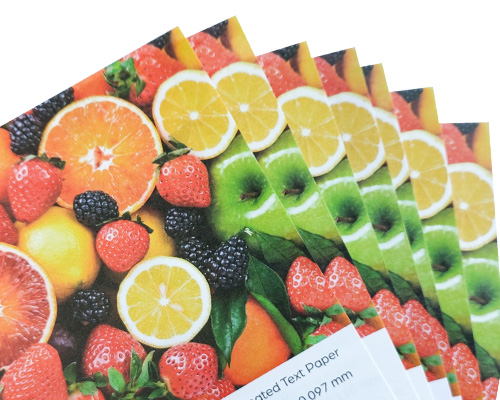
- Important: images printed on uncoated paper will appear less vibrant than the same file printed on coated stock. If your brochure is image-heavy, coated paper is almost always the better choice.
Surface Finishing and Lamination Guide
The surface finish you choose depends on your brochure’s format, fold count, and any special finishing effects. The rules below cover the most important compatibility requirements.
Papers over 157 gsm with a fold require lamination. Heavier coated paper becomes brittle at a fold crease without the added flexibility that lamination provides. Apply single-sided lamination if only the outer face will be visible at the fold; use double-sided lamination for brochures that are handled extensively on both sides.
Brochure covers always need single-sided lamination. Even on lighter stocks, the cover is the most-handled surface and the most vulnerable to scuffing. Lamination on the outside of the cover also reinforces the spine fold and binding edge, preventing cracking over time.
Multi-fold brochures on paper below 128 gsm can use varnish instead of lamination. An aqueous or UV varnish adds surface protection without the added stiffness of a laminate film, which means fold lines stay clean even with multiple creases. Varnish is a cost-effective option for high-volume, multi-fold formats where lamination would make the finished piece too rigid.
Embossing or debossing requires 250 gsm or heavier, with lamination. The die must press into a substrate with sufficient body to hold a clean raised or recessed profile. Lighter papers compress unevenly and won’t hold the impression. Lamination adds the surface hardness and structural rigidity required for a sharp result.
Spot UV requires 157 gsm or heavier, with matte lamination. Spot UV is a glossy, cured coating applied to selected areas of the printed surface. It needs a stable, rigid substrate to adhere cleanly. Matte lamination is the preferred base because the contrast between the flat matte surface and the shiny spot UV areas is what makes the effect visually striking. On a gloss-laminated surface, the difference is far less noticeable.
Paper below 128 gsm cannot be laminated. The substrate is too thin to bond reliably with a laminate film. On very light papers, the heat and pressure of the lamination process can cause warping, bubbling, or delamination. If you need surface protection on a lightweight brochure, varnish is the appropriate alternative.
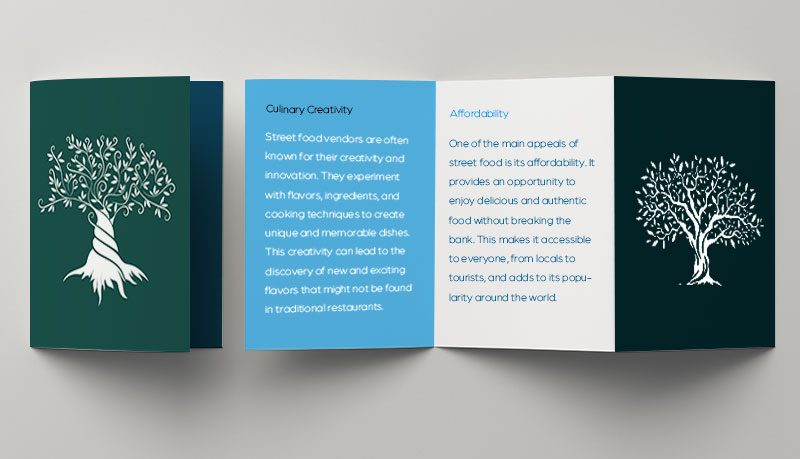
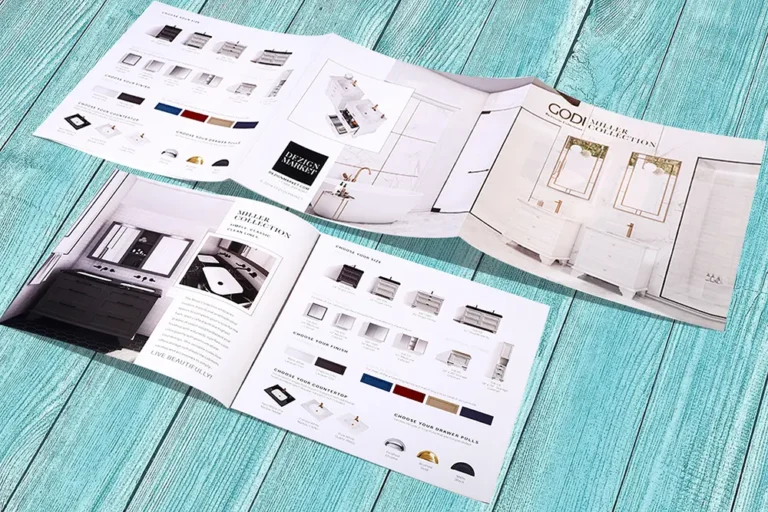
Brochure printed by QinPrinting
Special Paper Options
Standard coated paper covers the majority of brochure projects. But for certain briefs — where the paper itself needs to communicate something — the following options are worth considering.
Textured paper
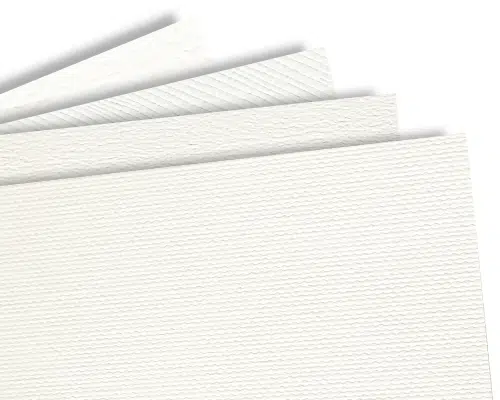
Linen, laid, felt, and other textured stocks add a tactile dimension that flat coated paper cannot replicate. They work especially well for brands that want to signal craftsmanship, natural quality, or heritage. Bear in mind that highly textured surfaces can make fine text harder to read and photographic reproduction less sharp.
Metallic and pearlescent paper
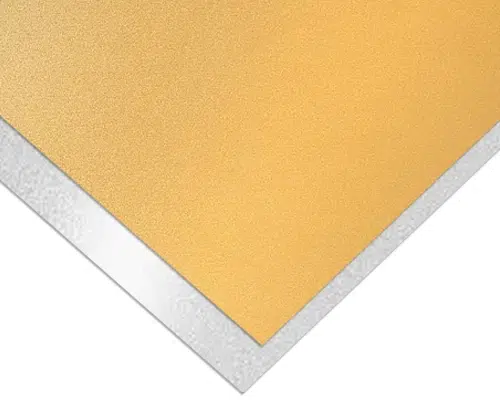
Pre-coated with a metallic or iridescent surface, these papers catch and shift light in a way that standard foil stamping cannot fully replicate across a large area. Used for luxury product launches, invitations, and brand announcements where maximum visual impact is required.
FSC-certified paper
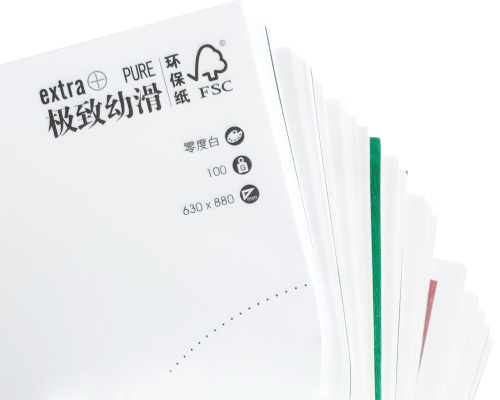
All standard paper stocks at QinPrinting are available in FSC-certified grades — meaning they come from forests managed to strict environmental, social, and economic standards. If your brand communicates sustainability values, or if your audience expects responsible sourcing, specifying FSC-certified paper is a straightforward way to back that up.
We use soy-based inks as standard across all offset printing, which are non-toxic and biodegradable. Ask us about full sustainable print options if this matters to your brief.
Quick Decision Guide
Run through these questions to narrow your choice in under a minute.
1. How many folds does your brochure have?
- No folds (single sheet): 128–250 gsm
- One fold (bi-fold): 128–300 gsm
- Two or more folds (tri-fold, accordion, gatefold): 80–157 gsm
2. How heavy is the ink coverage in your design?
- Full coverage (image-heavy, full-bleed backgrounds): Coated paper + lamination on both sides
- Light coverage (mostly text, minimal color): Uncoated paper or coated paper with lamination on outside
- Mixed content (typical): Coated paper (lighter weight acceptable) or uncoated paper
3. What impression do you need to make?
- Premium / luxury: Heavier stock (200+ gsm), soft-touch or matte lamination, consider special finishes
- Professional / trustworthy: 157 gsm coated + matte lamination
- High-energy / consumer: 157 gsm coated + gloss lamination
- Natural / sustainable: Uncoated or textured paper + FSC certification
4. Will the brochure be mailed or heavily handled?
If yes, lamination is essential — not just for aesthetics but for durability. Without lamination, the printed surface of coated paper is vulnerable to scuffing and moisture. For mailed pieces, 157 – 200 gsm with full lamination on both sides is the standard specification.
Frequently Asked Questions
What gsm is standard for a tri-fold brochure?
The range for tri-fold brochures is wider than most people expect: 105–250 gsm, depending on the finished folded size. Smaller formats (DL and similar) sit toward the lighter end — 105–157 gsm — where the paper needs to fold cleanly without cracking. Larger tri-fold formats on heavier stock (up to 250 gsm) are possible with lamination, which adds the flexibility the fold requires. A common production choice for a standard DL tri-fold is 157 gsm coated with lamination.
Should I use gloss or matte for my brochure?
It depends on your content. Gloss maximizes color vibrancy and is well suited to image-heavy brochures for consumer audiences. Matte reduces glare and is easier to read, making it a better choice for text-heavy pieces or professional service brands. When in doubt, matte is the more versatile and forgiving option.
Does lamination affect how a brochure folds?
Yes. Lamination adds a thin layer of rigidity to the paper surface. For multi-fold formats, this makes the fold lines crisper but also increases the risk of cracking if the paper underneath is too heavy. Scoring — a machine press along the fold line before folding — is recommended for any paper above 157 gsm or any format with more than two folds.
How do I know which paper is right for my brand?
The best starting point is to request a sample book. Seeing and touching the actual paper stocks side by side makes the decision straightforward. Alternatively, describe your project to us — the brochure format, the content mix, the audience, and the impression you want to make — and we will recommend the best paper combination based on your brief.
Not sure where to start? Talk to us.
Tell us about your brochure — the format, the audience, the content, and your budget — and we will give you a precise paper recommendation.