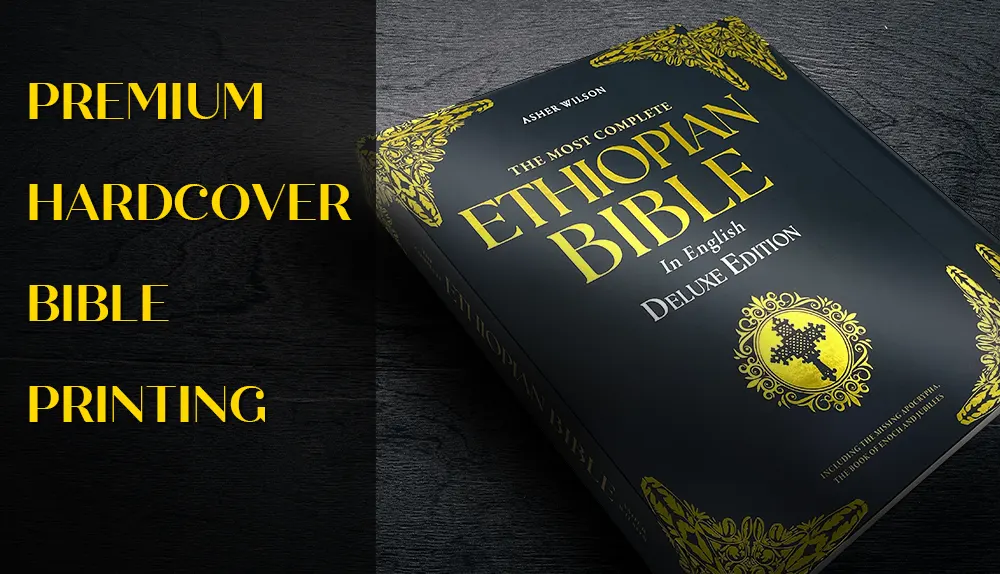
Printing a premium hardcover Bible is a layered production process. Each decision — cover material, foil specification, edge treatment, ribbons, packaging — builds on the one before it. This guide walks through every stage, so you know exactly what to specify and why each choice matters.
The text block is the same from one Bible to the next. What distinguishes a premium printed Bible is the hardcover case construction, the cover material wrapped over greyboard, the foil stamping, the gilded page edges, and the protective packaging that keeps every copy in perfect condition from our factory to the recipient’s hands. These finishing and production decisions are where the real complexity lies — and where the quality gap between printers becomes visible.
The Hardcover Foundation
Every premium Bible we print is built on a hardcover case construction with a greyboard core. Greyboard — dense, rigid chipboard — gives the cover its structure and weight. The cover material is wrapped and adhered directly to this board, providing the stable surface that foil stamping and embossing require and the body that makes the book feel like a considered object.
The binding is Smyth-sewn case construction. Signatures are sewn together, then the page block is cased into the hardcover shell. This allows the book to lie flat when open and gives the binding the durability needed for a book in daily use over many years. Every finishing option in this guide is built on top of this construction — specify it first, then work through the finishing layers in sequence.

Cover Materials
The cover material determines the character of the finished book more than any other single decision. We offer four main options for premium Bible production.
Printed Paper Over Greyboard With Foil Stamping
Printed paper covers are offset-printed paper wrapped over greyboard, then foil-stamped. This approach allows full-color illustrated artwork, photographic imagery, or typographic layouts that leather and PU surfaces cannot match — because the design is produced by printing rather than surface treatment. Foil stamping is then applied over the printed artwork to add metallic titles, crosses, or decorative borders.
The laminate over the printed paper — soft-touch, matte, or gloss — affects both appearance and durability. Soft-touch gives a premium, velvety feel; matte is refined and subdued; gloss maximizes color contrast with the foil. Printed paper covers are an excellent choice for any project where visual richness and design flexibility are the priority.
Pu Leather Over Greyboard
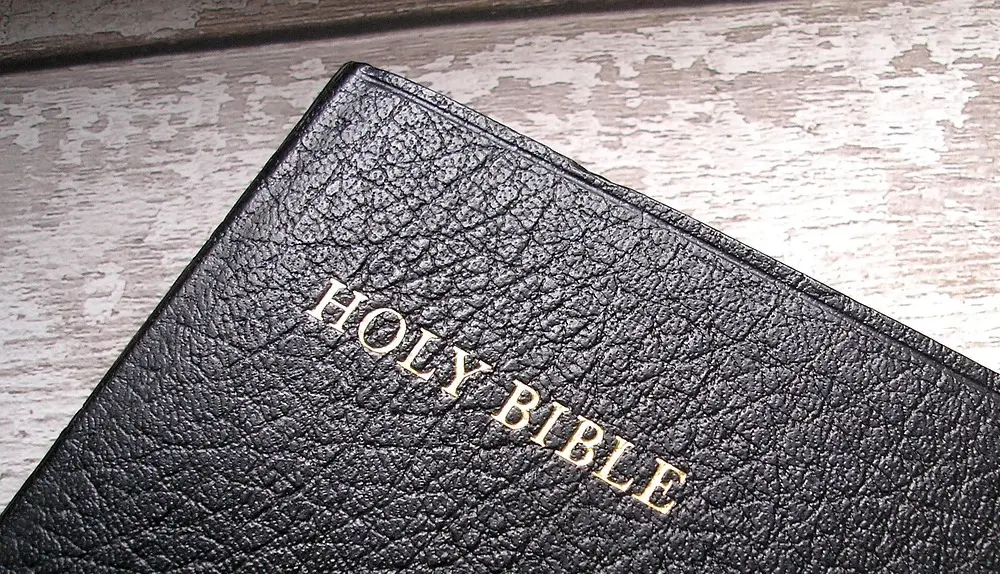
PU leather is the most widely used cover material for premium custom Bible production. It closely replicates the surface quality and grain texture of genuine leather, is available in a full range of colors and surface textures — fine-grain, cross-grain, pebbled, smooth — and is consistent in color and thickness across an entire print run. That consistency matters when producing hundreds or thousands of copies that need to look identical.
PU leather accepts foil stamping, embossing, and debossing cleanly, including large-area foil designs. It is durable, resistant to cracking, and holds up well under regular handling. For church gift programs, pastoral presentations, ministry editions, and premium study Bibles, PU leather is the standard choice.
Faux Leather Over Greyboard
Faux leather (primarily PVC-based) is a practical option for mid-range Bible editions where cost control is a priority. It is available in similar colors and textures to PU leather, wraps cleanly over greyboard, and delivers a clear visual step up from printed paper. Surface receptivity to detailed foil work is somewhat lower than PU leather, but for standard title-and-motif treatments it performs well.
Foil Stamping
Foil stamping applies a metallic or pigmented film to the cover surface using a heated die under pressure — producing a sharp, reflective design element that cannot be achieved with ink alone. Foil is available in gold, silver, bronze, copper, holographic, and pigmented colors.
Standard Foil Stamping
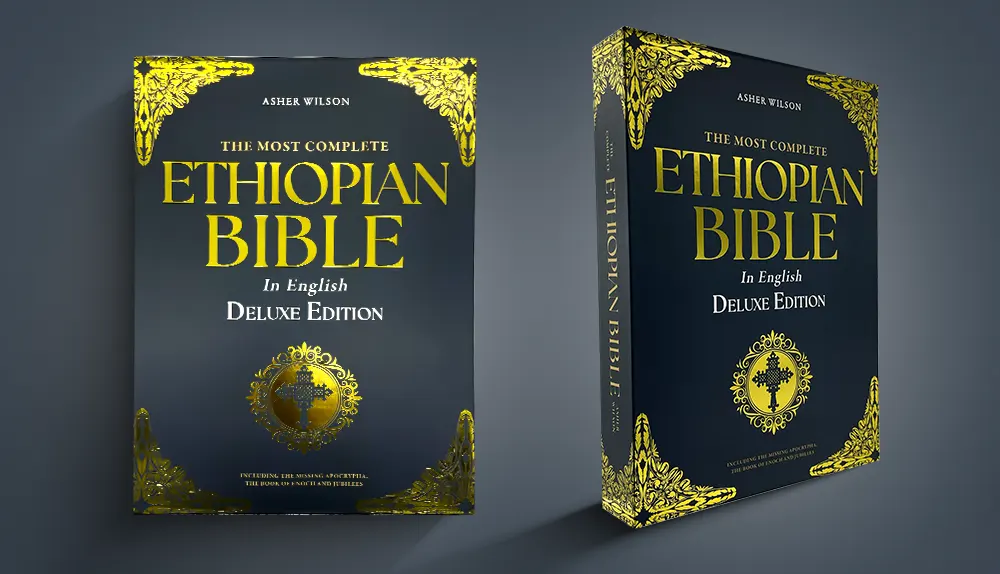
Standard foil stamping covers the title on the front panel and spine, with a cross or decorative motif as a secondary element. Gold foil on dark navy PU leather is a classic combination; silver on black reads as more contemporary; pigment foils allow for liturgical or brand-matched color treatments. Foil stamping and embossing or debossing are frequently combined — a debossed design element with foil applied in the recess creates a metallic finish that catches light differently than flat foil.
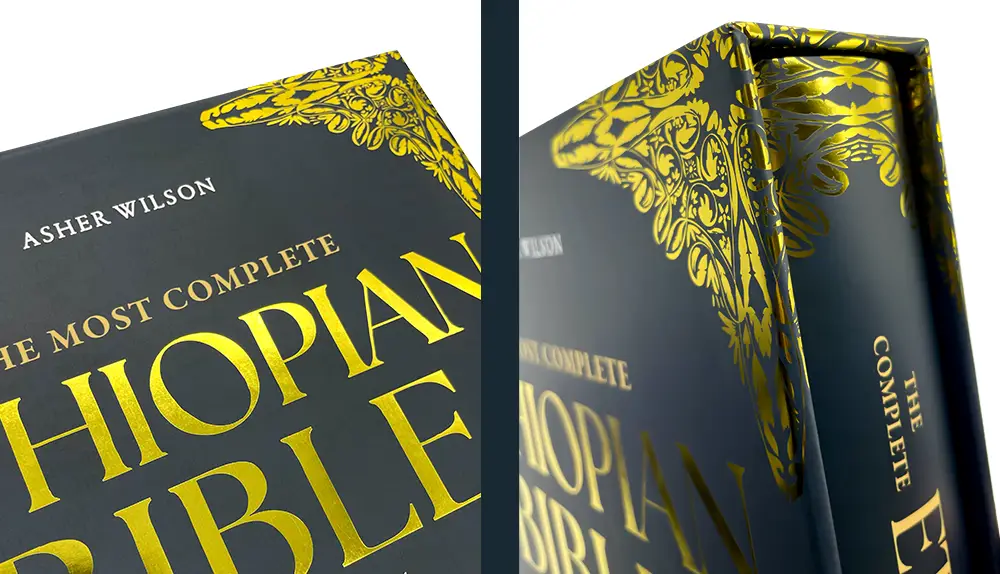
Large-Area Foil Stamping
Large-area foil stamping covers significantly more of the cover surface — portions of the front panel, the full spine, sections of the back cover, or in some cases near-entire cover surfaces in a metallic design. The visual result is striking: a Bible that reads as a luxury object from across a room. This is the finishing technique that most clearly distinguishes a commemorative or collector edition from a standard gift Bible.
Large-area foil requires specialized production capability — careful control of press pressure, temperature, and foil feed rate across a large surface. Not all printers can execute it reliably. If large-area foil is central to your project, confirm your printer’s capability before committing to the artwork.
Gold Gilded Page Edges
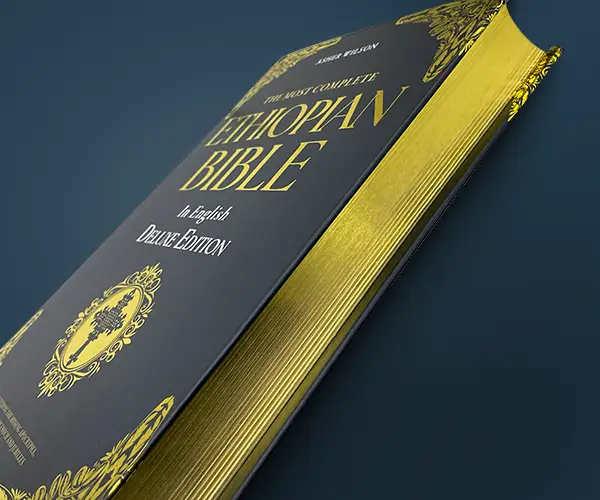
Gilded edges — where the three trimmed edges of the page block are coated with gold or silver leaf — are the traditional hallmark of a high-quality Bible. The page block is clamped under pressure, the cut edges are polished smooth, and then gold or silver material is applied across the entire surface. The result is a mirror-bright metallic edge that catches light as the book is held.
Gold gilded edges are the standard specification for premium production. The treatment is typically applied to all three cut edges — top, bottom, and foredge — for the fullest effect. Beyond gold and silver, other metallic foil colors are available for a more distinctive look. Edge decoration can also extend to painted or illustrated designs applied across the fanned page edges — a striking option for special and collector editions.
Dust Jacket
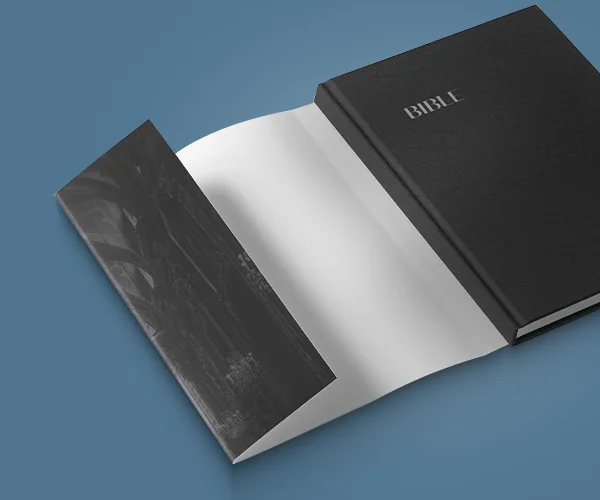
A dust jacket is a printed paper wrapper fitted over the hardcover case, with inner flaps that hold it in place. For premium Bible editions, the dust jacket allows a full-color illustrated paper cover to be combined with a premium leather or PU binding beneath — giving the book two visual identities: the illustrated jacket for display, the premium binding for use.
Dust jackets are printed offset on coated paper with gloss or matte laminate finish, and can include optional spot UV or foil accent treatments. They are produced independently of the binding and fitted over the finished case — no changes to the binding specification are required. Jacket dimensions must be finalized after the confirmed spine width is available.
Slipcase and Presentation Box
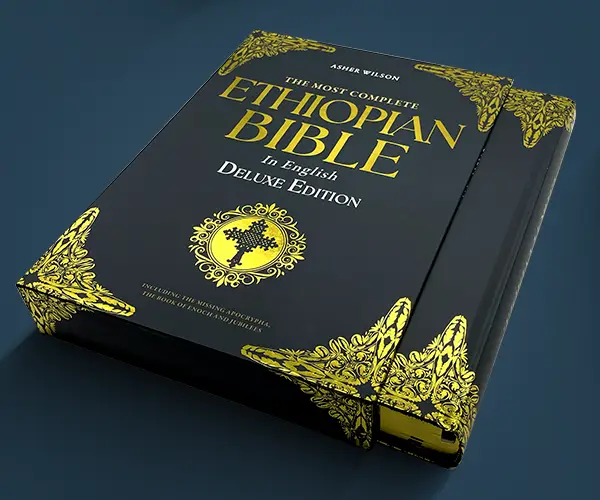
A slipcase is a rigid open-ended box into which the Bible slides for storage and display, with the spine visible when housed. Slipcases are covered in material coordinating with the book and are used for collector editions, gift presentations, and institutional commemoratives. Presentation boxes — fully enclosed rigid boxes with a lift-off lid — provide more complete protection and a more formal unboxing experience, typically specified for the highest-tier gift and ordination editions.
Both are made to the confirmed finished dimensions of the specific edition. They should be produced after the book dimensions — including spine width — are confirmed to ensure a precise fit.
Ribbon Markers and Headbands
Ribbon markers are sewn into the spine at the binding stage, allowing the reader to mark multiple locations simultaneously. A standard Bible has one ribbon; premium editions typically specify two, three, or more in coordinating colors matched to the cover or the project’s color palette. Multiple ribbons are particularly valued in study Bibles and lectionary editions. They must be specified at the initial binding stage — they cannot be added after binding.
Headbands — the decorative bands at the top and bottom of the spine — are plain white in standard production. In premium editions they are available in woven gold, silver, or color-matched thread. Most readers won’t consciously register them, but combined with gilded edges and a leather cover they complete the visual quality of the spine in a way that distinguishes a genuinely premium printed Bible.

Protective Export Packaging
A premium Bible represents a significant production investment. The right packaging protects that investment all the way to the recipient’s hands — and we offer dedicated export packaging as an optional add-on service, available at extra cost.
If you choose to add protective packaging, we offer a two-layer approach: a bubble envelope as the inner protective layer, and a printed outer carton as the structural shell. Both can be specified together or individually, and are quoted separately from the book production cost.
Bubble Envelope — Inner Layer
Each Bible is individually wrapped in a bubble envelope before being placed in the outer carton. The bubble envelope cushions the book against impact, prevents surface abrasion, and protects leather and PU covers from moisture during transit. It is particularly recommended for Bibles with gilded edges, which can be scratched by contact with other surfaces during handling. This inner layer is available as an optional extra and adds minimal weight to the shipment.
Printed Carton — Outer Layer
The printed outer carton provides structural rigidity against crushing and stacking pressure during freight handling. Printed with the publisher’s or ministry’s branding, it also creates a premium unboxing experience for the recipient. The printed carton is available as an optional extra, quoted separately. Cartons can be sized for individual copies — each Bible shipped in its own printed carton with a bubble envelope — which simplifies distribution and reduces repacking work at the destination.
“For Bibles with gilded edges and premium leather covers, protective packaging makes a real difference in how the book arrives. It’s an optional add-on, but one many of our clients choose once they understand what’s at stake across international freight.”
— QinPrinting Production Team
Production Specifications: Three Project Tiers
Production Specifications: Three Project Tiers
| Quality Gift Edition | Premium Study Bible | Commemorative / Collector | |
|---|---|---|---|
| Cover Material | Printed paper over greyboard + foil stamping + spot UV, deboss, emboss | PU leather over greyboard + foil + deboss | Faux leather over greyboard + foil + deboss |
| Foil Stamping | Title + cross front; title on spine | Title + decorative border; full spine | Large-area design front & back; full spine |
| Page Edges | Plain or gilded edges or painted edges | Full gold gilt edges (3 sides) | Full gold gilt |
| Ribbon Markers | 1–2 ribbons | 2–3 ribbons, coordinated colors | 3–5 ribbons |
| Headbands | Standard white | Gold or color-matched | Gold or multi-color woven |
| Dust Jacket | Optional | Common for illustrated editions | Standard; foil or spot UV accents |
| Slipcase / Box | Not typical | Slipcase optional | Slipcase or presentation box standard |
| Export Packaging | Bubble envelope + printed carton (optional, extra cost) | Bubble envelope + printed carton (optional, extra cost) | Bubble envelope + premium printed carton (optional, extra cost) |
Frequently Asked Questions
Which cover material do you recommend for a large-volume church gift Bible?
PU leather over greyboard is the standard choice for large-volume gift Bible programs. It is consistent across thousands of copies, accepts foil stamping cleanly, is durable for daily use, and is significantly more cost-effective than genuine leather — which allows the finishing budget to go into foil work, gilded edges, and ribbons.
Can large-area foil stamping be applied to a printed paper cover?
Yes — and this is a particularly effective combination. The printed paper carries the full-color illustrated design; large-area foil stamping then adds metallic titles, borders, or motifs over the printed artwork. The result combines photographic richness with the visual impact of metallic foil. Confirm the foil areas with us at the concept stage so the artwork is prepared correctly for the stamping process.
Can foil stamping and embossing be combined on the same cover?
Yes. A debossed design element with foil applied within the recess is a common premium treatment — the foil sits in a recessed area and catches light differently than flat foil.
How many ribbon markers can a Bible have?
Two to three ribbons is the most common specification for a premium edition. Five ribbons is achievable and is used on some liturgical editions. Beyond five or six, the spine assembly becomes bulky and ribbons can interfere with opening cleanly. If your project requires more than three, confirm feasibility with us based on spine width and binding construction.
Is protective packaging — bubble envelope and printed carton — included in the print price?
No — protective packaging is an optional add-on service, quoted separately from the book production cost. We offer two options that can be specified together or individually: a bubble envelope (inner layer, cushions against impact and abrasion) and a printed outer carton (structural shell, protects against crushing during freight). Both are particularly recommended for Bibles with gilded edges or premium leather covers, where surface damage in transit is a real risk. Ask us to include packaging in your quote and we’ll provide a clear cost breakdown.
When should slipcase dimensions be finalized?
After the finished book dimensions are confirmed, including spine width. Slipcases are made to the exact dimensions of the specific edition — producing them before the book is finished risks a poor fit. We coordinate slipcase production to run after the binding is confirmed.
Ready to Print Your Premium Bible Edition?
Tell us your cover material, foil requirements, gilding spec, ribbon count, and target quantity. We’ll come back to you with a clear, itemized quote and a realistic production schedule.