 Book Printing in China
 Custom Card Decks
 Custom Holographic Cards
 Free Wall Calendar Template
 Free Desk Calendar Template
 Folding Cartons
 Rigid Boxes
 Corrugated Boxes
 Custom Board Game
 Custom Card Game
 Kickstarter Print Solutions
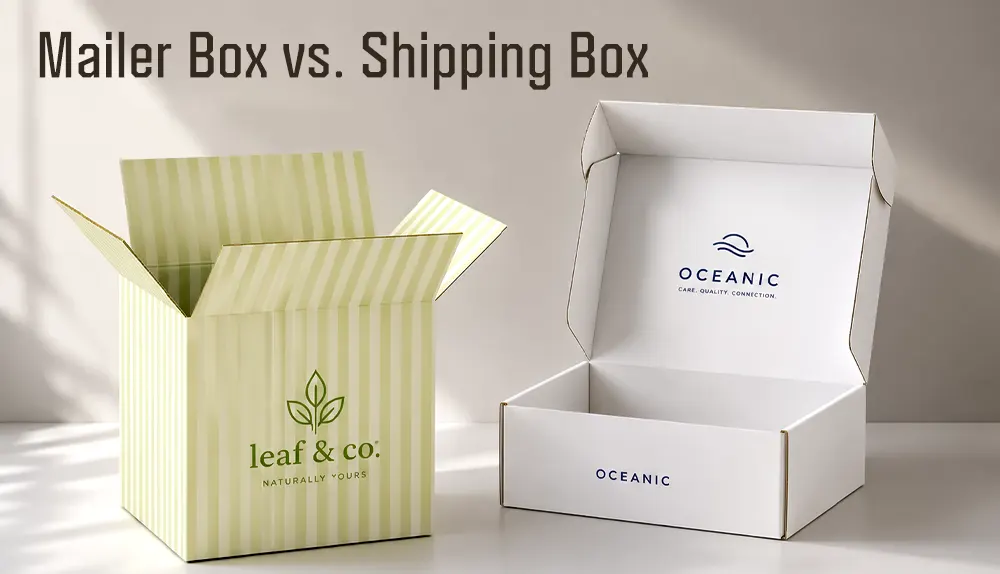
If you sell physical products, you have probably typed both “custom mailer boxes” and “custom shipping boxes” into a search bar and wondered whether they are actually the same thing. They are not. Both are made from corrugated board, but they are built for different jobs — and choosing the wrong one can mean overpaying for packaging you don’t need, or under-protecting products you do.
This guide breaks down the real differences between mailer boxes and shipping boxes, when each one makes sense for your brand, and how to decide — so your packaging budget works as hard as your products do.
What Is a Mailer Box?
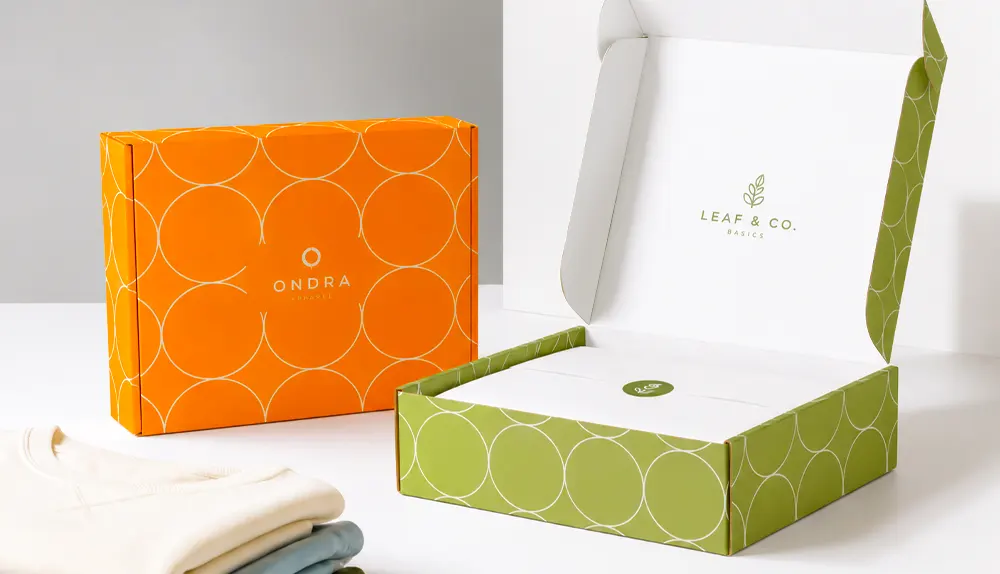
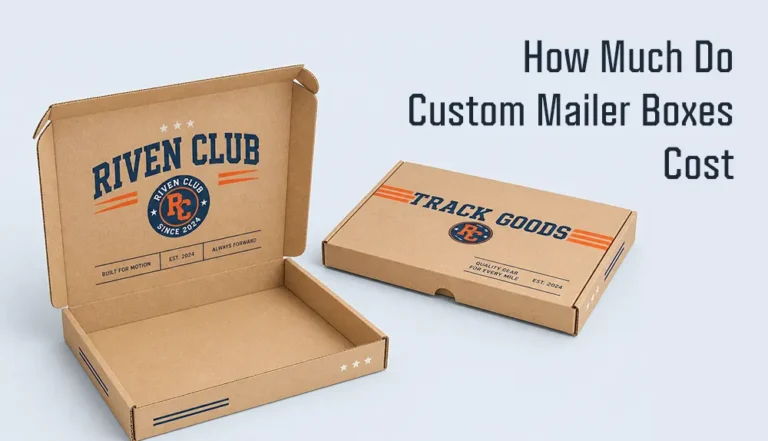
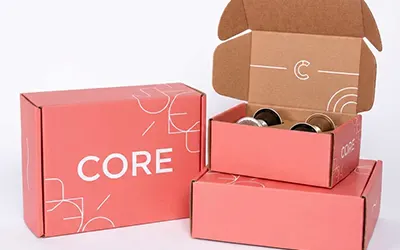
A mailer box is a self-locking corrugated box that folds into shape and closes with built-in tuck flaps — no tape, glue, or assembly tools required. The most common structure is the roll-end tuck-top (RETT) style you see in subscription boxes and e-commerce deliveries.
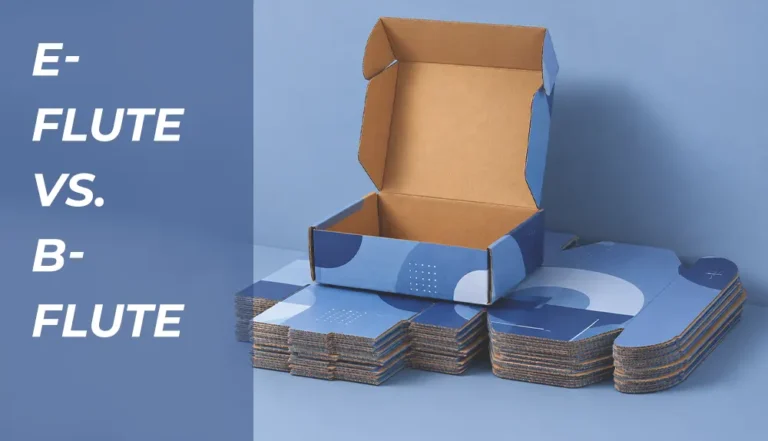
Mailer boxes are typically made from lighter corrugated flutes (E-flute or B-flute), which keeps them strong enough for single-parcel shipping while staying lightweight. Because the box opens like a lid, both the outside and the inside can be printed — which is exactly why mailer boxes have become the standard for unboxing experiences. The way we print them is part of what makes them look premium: we print your full-color or Pantone design onto a 250gsm sheet, laminate it (gloss or matte), then mount it onto the corrugated board — so a finished color mailer box is effectively four layers, with crisp, book-quality color and a protected, scratch-resistant surface.
What this means for your brand:
- Your customer’s first physical touchpoint with your brand is fully printable, inside and out
- No tape or assembly speeds up your fulfillment and keeps the package looking clean
- Lightweight construction helps control per-parcel shipping costs
Explore options and pricing on our custom mailer boxes page.
What Is a Shipping Box?
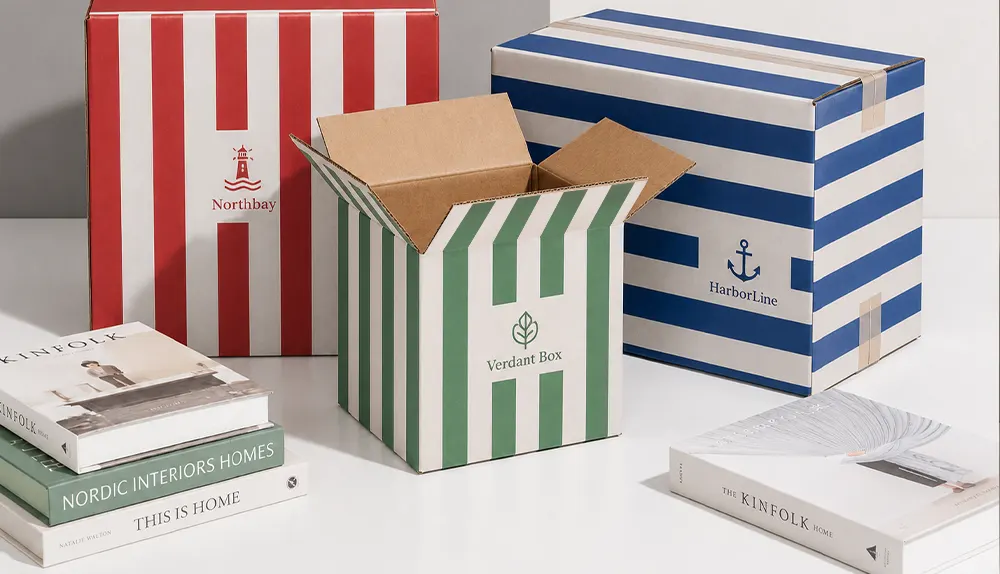
A shipping box — most often a regular slotted container (RSC) — is the classic four-flap carton sealed with tape. It is designed for one job above all: protecting products in transit, especially when boxes are stacked, palletized, and handled in bulk.
Shipping boxes usually use heavier flutes (C-flute, BC double-wall) for stacking strength and impact resistance. A standard brown kraft shipping box is left as the natural three-layer corrugated board, often with simple one- or two-color printing for logos and handling marks — because the box is built for the warehouse, not the living room. If you want full-color, retail-quality graphics on a shipper, we use the same method as our mailer boxes: a printed, laminated 250gsm sheet mounted on top (a four-layer result). So the rule of thumb is simple — a color-printed, laminated box is four layers; a plain brown kraft shipper stays three.
What this means for your brand:
- Maximum protection per dollar for heavy items, bulk orders, and freight shipments
- Lower per-unit cost than mailer boxes at the same size
- Efficient flat-packed storage and fast taping on a packing line
See structures and materials on our custom corrugated boxes page.
Mailer Box vs. Shipping Box: Key Differences at a Glance
| Mailer Box | Shipping Box (RSC) | |
|---|---|---|
| Structure | Self-locking, fold-and-tuck; no tape needed | Four-flap carton sealed with tape |
| Typical material | E-flute or B-flute; 4-ply when color-printed | C-flute or double-wall; 3-ply brown kraft |
| Printing | Full-color, laminated 250gsm sheet on top | Brown kraft 1–2 color, or 4-ply for full color |
| Protection focus | Single-parcel shipping, light to medium products | Stacking, palletizing, bulk transit, heavy items |
| Unboxing experience | Designed for it — opens like a gift | Functional — opens like a delivery |
| Cost per unit | Higher (structure + printing) | Lower at the same size |
| Best for | DTC e-commerce, subscriptions, gift and PR kits | Wholesale, B2B, master cartons, heavy goods |
When a Mailer Box Is the Right Choice
Choose a mailer box when the box itself is part of the customer experience. If your product ships directly to an end customer — one order, one box, one person opening it — the mailer box gives you branding real estate that a plain shipping box simply can’t match.
Mailer boxes work best for:
- Direct-to-consumer e-commerce orders — your packaging is your storefront at the doorstep
- Subscription boxes — the monthly unboxing is the product experience
- Influencer and PR kits — designed to be opened on camera
- Gift sets and premium product bundles — printed interiors and custom inserts elevate perceived value
If your products need extra protection or presentation inside the box, custom inserts can hold each item in place while improving the unboxing experience.
When a Shipping Box Makes More Sense
Choose a shipping box when protection and cost-efficiency matter more than presentation. If nobody outside your warehouse or your retailer’s stockroom will see the box, paying for premium printing and a self-locking structure is money better spent elsewhere.
Shipping boxes are the right call for:
- Wholesale and B2B orders shipped on pallets
- Heavy or bulky products that need double-wall strength
- Master cartons that carry multiple retail-packaged units
- High-volume fulfillment where per-unit cost drives margins
Can You Use Both? (Most Growing Brands Do)
Mailer box vs. shipping box isn’t always either/or. A common setup as your brand grows:
- Branded mailer boxes for individual customer orders and subscription shipments
- Plain or one-color shipping boxes as master cartons for wholesale, Amazon FBA, and freight
Your mailer boxes travel inside the shipping boxes, arriving clean and undamaged — the shipping box absorbs the transit wear, and the mailer box delivers the brand moment. Ordering both from one manufacturer keeps sizes coordinated so your mailers fit your master cartons without wasted space.
A useful rule of thumb: a mailer box works well on its own when the product inside weighs up to about 10 kg. Above that, the box and its contents are heavy enough that an outer shipping box is the safer way to go — it protects the printed mailer from damage and gives the weight the structural support it needs in transit. So for lighter products, ship the mailer solo; for heavier ones, send it inside a shipping box.
Ordering Custom Mailer Boxes or Shipping Boxes
At QinPrinting, both box types are produced factory-direct with a minimum order of 300 units and a production turnaround of 10–20 days for corrugated boxes. You can get an instant online quote showing your EXW Shanghai price on the product page; for shipping costs to your destination, submit the quote form and our team will reply within 24 hours.
Not sure about sizing or structure? Download a free dieline from our template library — or send us your product dimensions and we’ll prepare a custom dieline for you. We also provide free artwork checks before production, so your files are print-ready before anything goes to press.
FAQs
Is a mailer box strong enough for shipping without an outer box?
Yes — mailer boxes are designed to ship on their own when the product inside weighs up to about 10 kg. For anything heavier, or for fragile goods and long freight journeys, ship them inside a corrugated shipping box (master carton) for extra protection.
Why do mailer boxes cost more than shipping boxes?
The self-locking structure uses more board per box, and mailer boxes typically carry full-color printing inside and out. You’re paying for branding surface and convenience, not just containment.
Can shipping boxes be printed in full color?
Yes. A plain brown kraft shipper is the natural three-layer board with simple one- or two-color printing. For full-color, retail-quality graphics, we print and laminate a 250gsm sheet and mount it on top — the same four-layer method we use for mailer boxes — giving you sharp color on a transit-grade structure.
What’s the minimum order quantity?
Our MOQ is 300 units for both custom mailer boxes and custom shipping boxes, with flexible sizes, materials, and finishes at every quantity.