 Book Printing in China
 Custom Card Decks
 Custom Holographic Cards
 Free Wall Calendar Template
 Free Desk Calendar Template
 Folding Cartons
 Rigid Boxes
 Corrugated Boxes
 Custom Board Game
 Custom Card Game
 Kickstarter Print Solutions
How packaging shapes the value of your game and divination card products
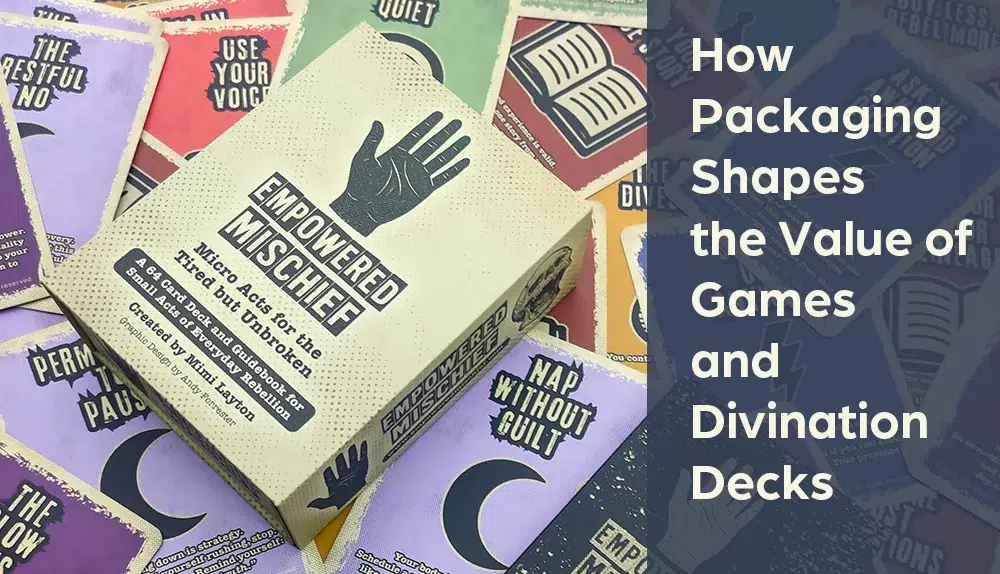
Designers of game card and divination decks alike often spend long hours on artwork, text, suits, backs, and rules. And that’s absolutely right; after all, it’s the core of your product in this sector. But with that work done, too many treat packaging as an afterthought; just something to wrap the cards in. That choice hides an important truth. The box is the first thing a buyer sees, and the first thing they touch. It is actually more important than the cards themselves at the point of sale, online or offline. Unless that box says, “Open me!” those cards will never leave the tray. Packaging, in other words, is not a finishing detail—it’s a deciding factor.
Why packaging matters for card creators
A deck of cards—whether a standalone game, a booster pack, a collectible set, or an oracle or tarot deck—often enters a buyer’s life through a box on a shelf or a photo on a store page. The buyer’s mind forms quick judgments. A light and thin box suggests entry-level value; something maybe worth having, but still affordable and accessible. A strong and weighty box suggests care and craft and promises more. The cards may be the heart of the product, but the box sets the tone.
Buyers of game decks and divination decks expect long use from their products. They shuffle, carry, drop, and store their cards in many settings. The box must survive this routine. This includes tight corners, smooth openings, clean edges, and clear labeling. When a box fails early, trust falls as well.
Packaging also affects how users feel during each session. A rigid lid that lifts in a smooth motion signals quality. A loose tuck flap that bends or tears creates friction. Small details shape the whole experience.
Box types that shape user experience
We know that card creators like you generally work with several common box types. Each type has a distinct feel and use case. But understanding these differences in more detail helps individual designers and production teams match the box to the purpose of the deck with greater precision and effect.
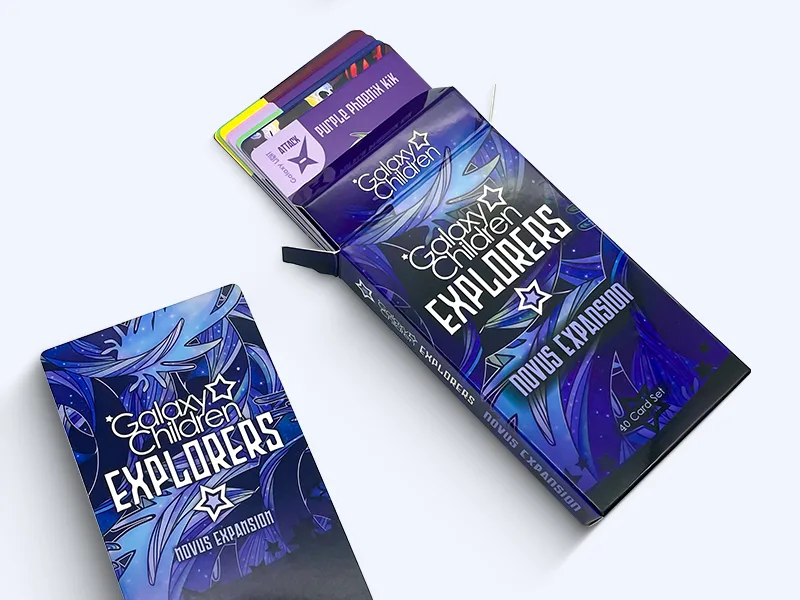
Tuck-end boxes
Tuck boxes use folded board. They suit low and mid-price decks. They are light and compact. They work well for standard game cards and mass runs. They store easily in drawers or bags. A tuck box can succeed with careful scoring, clean glue, and strong coating. It’s a good choice if it suits your needs.
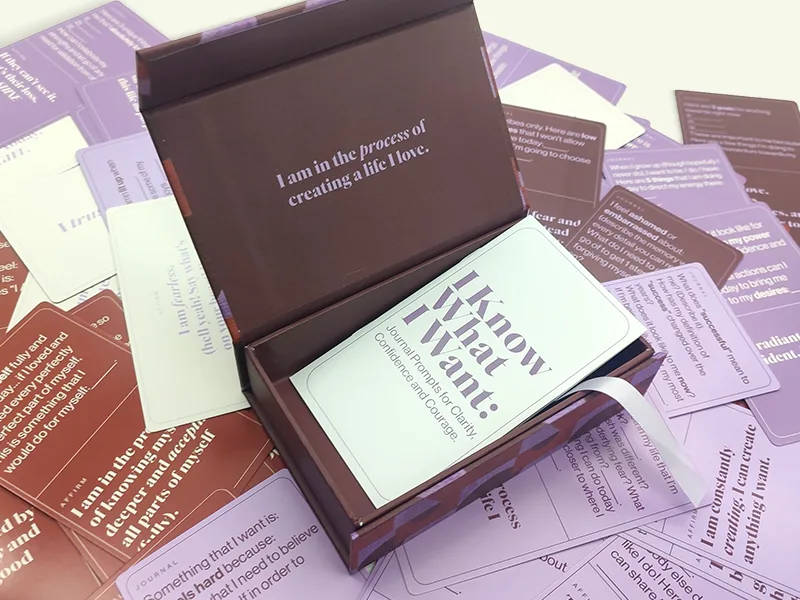
Rigid boxes
Rigid boxes use heavier board. They fit premium game decks, collector decks, and divination cards. Many creators choose a lift-off lid with a base. Users open these boxes in a slow and calm motion. This supports ritual use and display settings. Rigid boxes survive long use and protect cards from humidity and bending.
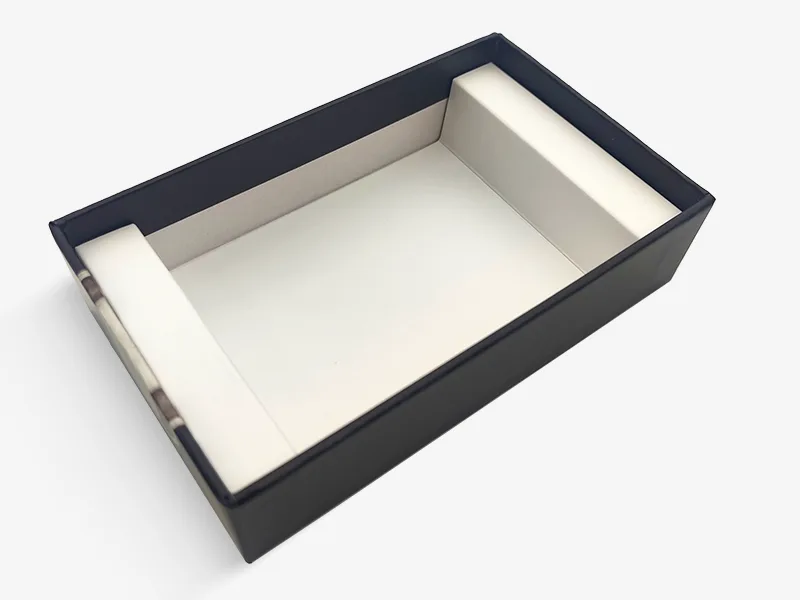
Custom trays
Custom trays shape how cards sit in the box. A tight tray keeps the deck stable in storage and shipping. Loose trays allow movement, which can damage corners, so you need to make sure you’re getting your relative measures right (we can always help you with that if you have doubts). Trays can use paperboard or plastic, although we’ll usually recommend paper, partly because of our environmental commitment and partly because it’s gentler on your cards. Many creators now prefer paperboard trays for a simpler and more sustainable choice.
Graphic choices that support the deck’s purpose
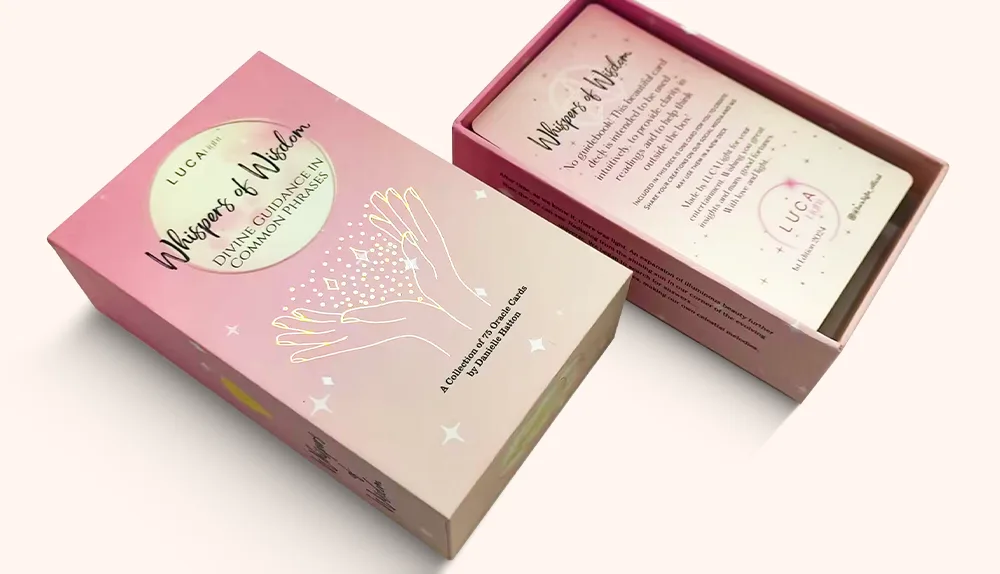
A box does more than carry the deck. It communicates the creator’s story; your story. Colors, type, and images guide buyers. A card game with bold colors and sharp lines fits a bright, glossy surface. A divination deck with calm themes fits a matte finish with soft shadows.
Foil stamping adds shine at key points. Gold foil edge card printing on boxes or trims signals premium value. Silver foil edge card decks work well for cooler themes. Holographic accents support fantasy decks or collector editions. These touches must be used with care. A small line of foil along a title can lift the design. A full flood of foil can overwhelm it.
Texture can shift the whole mood. Soft-touch coatings feel velvet-like and quiet. Gloss coatings feel slick and bright. A linen texture can support classic game decks. Each surface changes how fingers move across the box.
Clear labeling matters. Buyers need quick facts. Card count, use, and theme should be readable from one glance. This helps both retail buyers and online shoppers.
Practical issues for storage and long-term use
A box lives many lives, right? It sits in bags, drawers, and backpacks. It falls from tables. It gets handled or left in humid rooms or dry rooms. The construction must stand up to this routine. What seems fine on your desktop may not do so well out there in the real world.
We know, from years of experience and thousands of satisfied clients, where the weaknesses are and how to strengthen them. Corners often fail first. Strong board and clean scoring help. Glue points must sit tight. Coatings need to handle repeated friction. A weak flap adds daily stress and leads to wear. Rigid boxes avoid many of these issues but add weight and cost.
Storage matters for buyers with many decks. A tall and narrow box fits well in collections. A wide and flat box suits large cards or guidebooks. Creators need to match format with real user needs. If the deck includes a booklet, the box must allow easy removal without damage.
Shipping sets other demands. A heavy rigid box needs more padding. A light tuck box needs firm cartons and tight packing. A box must survive both single orders and bulk shipping to stores.
How packaging builds a brand for small creators
Independent creators face crowded markets, as you will undoubtedly know. Many buyers see dozens of decks each year in stores and online, and after a while they can all begin to look the same. Strong packaging helps a new deck stand out. A clean lid, clear title, and focused image create quick recognition. We say it gives it “a voice”.
A well-made box signals trust. Buyers expect smooth edges, straight cuts, and firm walls. This trust carries into the use of the deck. Buyers who enjoy the unboxing moment often share photos or videos. This helps the creator gain reach with no extra cost.
Brand growth often rests on consistency. A creator who plans a series of card decks should use a clear style for boxes. Similar trim sizes, matching type, or shared color themes help build a line. When a buyer likes the first deck, they spot the next one in a second.

Cost factors for card packaging
Yes, we already heard you: so, fine, but how much is all this going to cost? Every choice in packaging affects the price, obviously. Thick board costs more than thin board. Soft-touch coatings cost more than simple gloss. Foil adds cost for both material and stamping passes. Rigid boxes need more labor than tuck boxes. All these elements flow into the final unit cost.
Creators need clear cost steps. We completely understand that. We’re not here to fleece you; we’re here to collaborate with you. We want everyone involved to be proud of what just happened. A shift from 300 gsm board to 350 gsm board may add a small amount. A shift from a tuck box to a rigid box adds more. A two-color foil pattern adds more than a single-color pattern. These numbers help creators plan price points and margins.
Small details help control cost. A simple lid-and-base rigid box can replace a complex multi-part box. A clean matte coating can replace an expensive texture. A designer can place art in a way that avoids extra die-cut edges or windows.
Planning early for clean production
Plan packaging at the start of the project. Early planning avoids file errors and helps the design team work with real measurements. This includes final trim size, bleed, tray shape, and spine widths for any booklet inside the box.
Mockups help. A printed mockup made from plain board gives a sense of scale and grip. The team can test lid lift, flap feel, and corner strength. This step prevents many late changes. It also helps the creator choose between a tuck box and a rigid box or between a matte finish and a gloss finish.
Creators who plan early gain more control over color. A box often uses dense ink coverage, so early tests help confirm total ink levels and drying behavior. This improves print quality and reduces smudges or marks.
Frequently asked questions about card packaging
1. What box type works best for game decks with heavy use?
Many game decks with daily play fit well in rigid boxes. Strong walls protect edges and corners. The lid lifts cleanly without bending. Tuck boxes can work for light use and low-price decks. Rigid boxes handle long-term wear better.
2. What box type fits divination or tarot decks?
Divination decks often suit rigid boxes with a lift-off lid. Users open the deck in calm and steady motions. The box becomes part of a small ritual. Many creators add a printed tray for cards and a space for a booklet. Tuck boxes fit travel decks or budget editions.
3. Do foil accents raise the cost a lot?
Foil accents raise cost by adding material and a stamping pass. A small title or emblem adds a modest amount. A full panel of foil adds more. Prices vary by foil color and coverage. Creators can request quotes for one, two, or three foil options.
4. How strong is a standard tuck box?
A standard tuck box stays strong with firm board, clean scoring, and a good coating. It handles normal use for many months. It may wear faster if the cards are heavy or used daily. A thicker board or reinforced flaps can improve strength. Rigid boxes handle stress better.
5. How do trays help with card protection?
A tray keeps cards in place. This protects corners from movement and impact. A tight fit prevents rattling during shipping. Paperboard trays support simple recycling. Plastic trays keep shape over long periods but change the feel of the box.
6. What finish suits glossy artwork?
Gloss coatings suit bright, sharp artwork. They reflect strong colors and clean lines. Matte coatings suit calm or dark themes. Soft-touch gives a warm, velvety feel. Finish should match the deck’s tone.
7. How early should packaging work start?
Packaging work should start at the same time as card face design. Early planning avoids resizing later. It helps the team set bleed, fold lines, and text areas. It also helps the printer prepare accurate quotes. Early work saves time and protects quality.
Ready to package your next deck? Talk to us!
A strong box supports the value of any card project. It protects the cards, guides the buyer, and shapes the first moments of use. A clear plan for size, board weight, finish, and graphics brings the whole deck together.
If you plan a new game deck, trading deck, or divination deck, contact the team at QinPrinting. We can share samples, explain material options, and prepare quotes for tuck boxes, rigid boxes, sleeves, and custom trays. Our guidance will help you pick packaging that looks right, feels right, and lasts through many sessions.