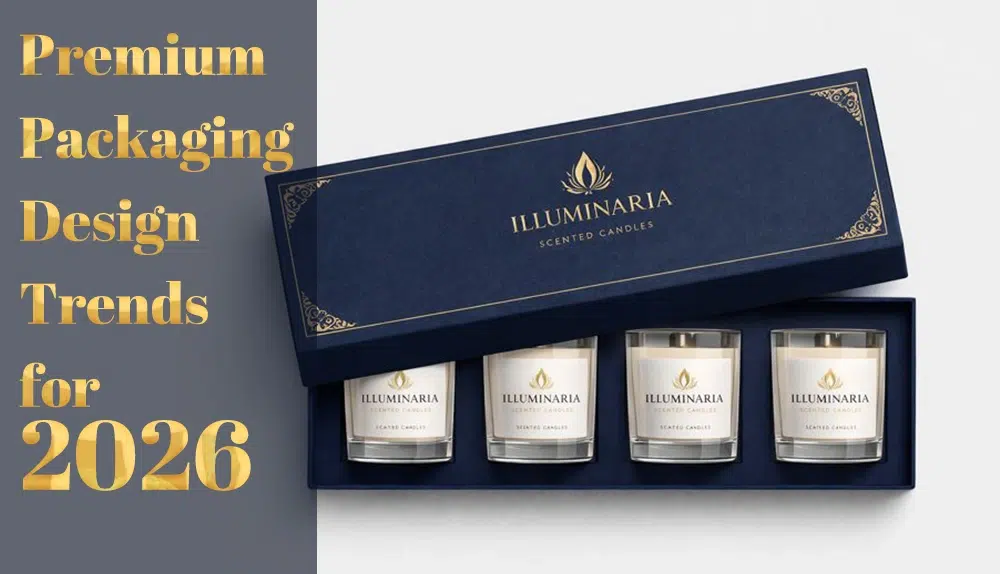
Packaging in 2026 isn’t just about protecting products anymore—it’s about telling stories, proving values, and creating unforgettable unboxing moments. The industry is experiencing a fascinating convergence of sustainability demands, digital innovation, and refined aesthetics. Whether you’re launching a new product or refreshing an existing brand, understanding these trends will shape your packaging strategy for the year ahead.
Sustainability Gets Real
Gone are the days when “eco-friendly” meant boring brown boxes. In 2026, sustainable packaging looks just as stunning as traditional luxury options—and consumers expect nothing less.
Molded fiber packaging now comes with premium finishes that rival traditional materials. What was once associated with egg cartons now appears in beautifully engineered forms protecting everything from cosmetics to electronics. Mono-material structures that actually recycle are replacing complex laminates, thanks to advanced barrier coatings that maintain performance while keeping packaging compatible with recycling streams.
The refill revolution continues gaining momentum. Premium refillable systems with magnetic closures, elegant pouches, and sophisticated mechanisms are transforming this practical concept into a genuine luxury experience. Brands are discovering that refill programs not only reduce environmental impact but also create ongoing customer relationships and recurring revenue.
The key shift? Consumers now demand proof, not promises. Vague green claims trigger immediate skepticism. Shoppers have become skilled at spotting greenwashing, and they’re not shy about calling it out on social media. Brands need to back up their sustainability messaging with transparent sourcing, verifiable certifications, and genuine material innovation.
Digital Product Passports Go Mainstream
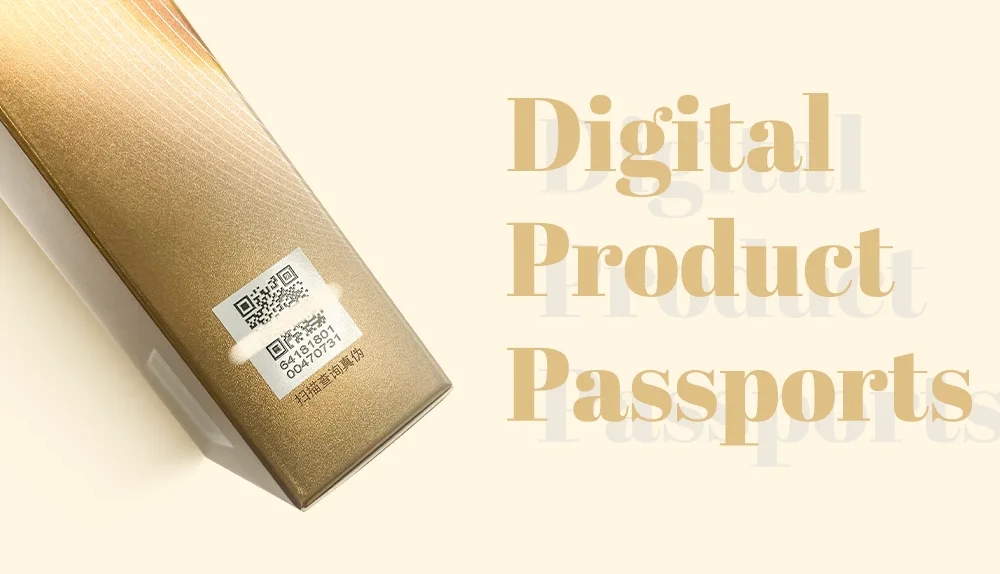
That QR code on your packaging is about to become much more important. The EU requires Digital Product Passports (DPPs) for many product categories, and this regulatory shift is reshaping how brands think about packaging infrastructure.
A simple scan now unlocks a wealth of information. DPPs authenticate products against counterfeits, share detailed sourcing and manufacturing stories, enable ownership verification for resale markets, and provide end-of-life recycling guidance. For luxury goods especially, this technology builds consumer confidence in a market plagued by knock-offs.
Luxury giants like LVMH, Prada, and Cartier are already using blockchain-based DPPs on millions of products. The Aura Blockchain Consortium has created digital identities for over 20 million items, with demand accelerating rapidly. Brands like Mugler, Lacoste, and Loro Piana are embedding QR codes that lead customers to dedicated product pages with authentication, care instructions, and exclusive content.
Smart brands see this as an opportunity, not just a compliance checkbox. The digital layer of packaging creates new touchpoints for customer engagement—exclusive offers, personalized services, loyalty programs, and even augmented reality experiences. Early adopters are turning regulatory requirements into competitive advantages.
Quiet Luxury Takes Over
Think less “look at me” and more “feel me.” The quiet luxury movement has transformed packaging aesthetics, and this shift reflects deeper changes in how consumers perceive premium value.
Flashy metallics are giving way to champagne gold, ivory, and sage green. Bold logos are shrinking into subtle micro-marks. Sans-serif typography and clean compositions replace ornate designs. The overall effect is understated elegance that communicates confidence rather than desperation for attention.
But quiet doesn’t mean boring. The real investment goes into what you can touch—soft-touch coatings that feel like velvet, delicate embossing that catches the light, textured papers that beg to be held. Spot UV varnish creates subtle dimension. Foil stamping adds refined accents without overwhelming the design. The contrast between matte and gloss surfaces provides visual interest while maintaining sophistication.
This approach works particularly well in our current economic climate. When consumers are more selective about purchases, packaging that communicates timeless quality rather than trendy flash helps justify premium pricing. Less visual noise, more sensory richness.
Heritage Meets Modernity
In an age of AI-generated everything, human craftsmanship stands out. The “Heritage Etch” trend brings back design elements that clearly demonstrate human creativity and artistic intention.
Hand-drawn botanical illustrations are appearing across product categories from spirits to stationery. Engraving-style linework evokes the detailed craftsmanship found on vintage currency and certificates. Classical serif typography pairs naturally with these illustrative elements. Vintage-inspired frames and borders echo bookplates, old apothecary labels, and heritage brand marks.
Uncoated, textured paper stocks complete the aesthetic, enhancing the hand-rendered quality that makes these designs special. The slight imperfections become features rather than flaws—evidence that a human artist created something with care and intention.
This aesthetic resonates strongly with consumers who feel overwhelmed by algorithmic content. When packaging clearly shows the hand of a craftsperson, it creates emotional connection and perceived value that mass-produced designs cannot match. The message is clear: Someone made this with care. And that matters more than ever.
Every Sense Counts
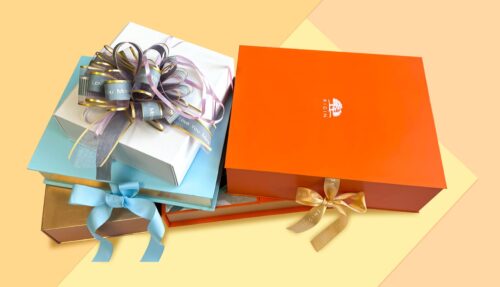
Premium packaging in 2026 engages more than just your eyes. The most memorable unboxing experiences are designed as multi-sensory journeys.
The satisfying click of a magnetic closure signals quality before you even see the product inside. The weight of substantial paperboard communicates value the moment you pick up the box. The whisper of tissue paper builds anticipation. Some brands are even embedding signature scents into their packaging materials, creating instant brand recognition and emotional memory triggers.
Each layer of the unboxing experience—from outer sleeve to inner box to product reveal—offers an opportunity to tell part of your story. This isn’t about excessive packaging; it’s about intentional touchpoints that build anticipation and communicate value.
And here’s the business case: those sensory experiences get shared on social media. When your packaging is Instagram-worthy, your customers become your marketing department. User-generated unboxing content provides authentic endorsement that paid advertising cannot replicate.
Personalization at Scale
Thanks to variable data printing and AI, personalized packaging is now economically viable for more brands than ever before.
Customer names on labels, region-specific designs, numbered limited editions, retailer-exclusive variants, seasonal customizations—these options used to be cost-prohibitive for all but the largest brands. Not anymore. Digital printing technologies have eliminated traditional setup costs, making short runs and variable content genuinely affordable.
AI accelerates these capabilities further, helping brands analyze customer data and create packaging variations targeted to specific segments. Regional preferences can be accommodated without maintaining separate inventory. Seasonal editions can be produced in smaller quantities without waste.
For premium brands, personalization reinforces exclusivity. The feeling that something was created specifically for you justifies premium pricing and builds the kind of loyalty that drives repeat purchases. The message customers receive is powerful: This was made for you.
What This Means for Your Brand
The trends point in one clear direction: packaging is now strategic infrastructure, not an afterthought. The convergence of sustainability requirements, digital mandates, and elevated consumer expectations demands careful planning.
A few questions worth asking as you plan for 2026:
- Can you switch to mono-materials or fiber-based options without compromising product protection?
- Are you ready for Digital Product Passport requirements, even if not yet mandatory in your market?
- How does your packaging feel in hand? How does it sound when opened?
- Are you starting early enough? Great packaging isn’t rushed.
At QinPrinting, we help brands navigate these shifts—from sustainable materials to digital integration to elevated finishing techniques. Your packaging tells your story before customers ever experience your product.
Let’s make sure it says exactly what you want.
Contact us to discuss your packaging project.