 Book Printing in China
 Custom Card Decks
 Custom Holographic Cards
 Free Wall Calendar Template
 Free Desk Calendar Template
 Folding Cartons
 Rigid Boxes
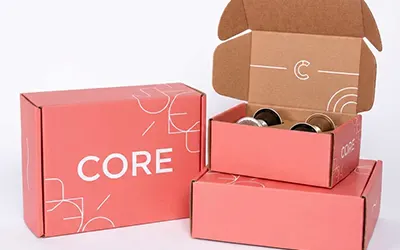 Corrugated Boxes
 Custom Board Game
 Custom Card Game
 Kickstarter Print Solutions
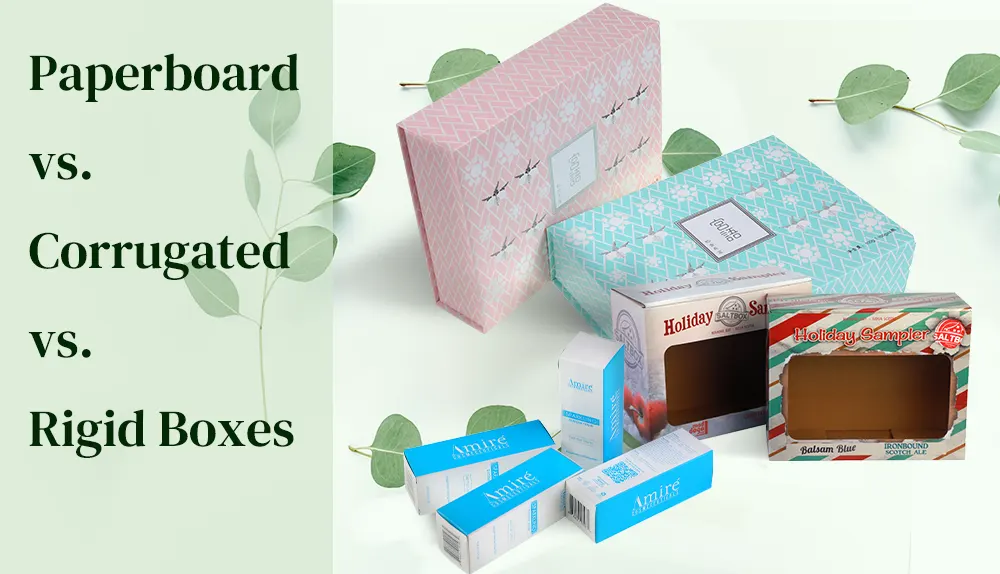
Choosing the wrong box type is one of the most common—and costly—packaging mistakes. Order paperboard boxes for heavy products, and they’ll crush in transit. Specify rigid boxes for low-margin items, and your packaging costs will eat your profits. Ship fragile goods in flimsy cartons, and you’ll lose customers to damaged deliveries.
This guide cuts through the confusion. We’ll explain exactly what each box type is, when to use it, and how to match your specific product needs to the right packaging solution.
Understanding the Three Box Types
Before diving into comparisons, let’s clarify what each box type actually is—because the terminology often gets confused.
Paperboard Boxes (Folding Cartons)
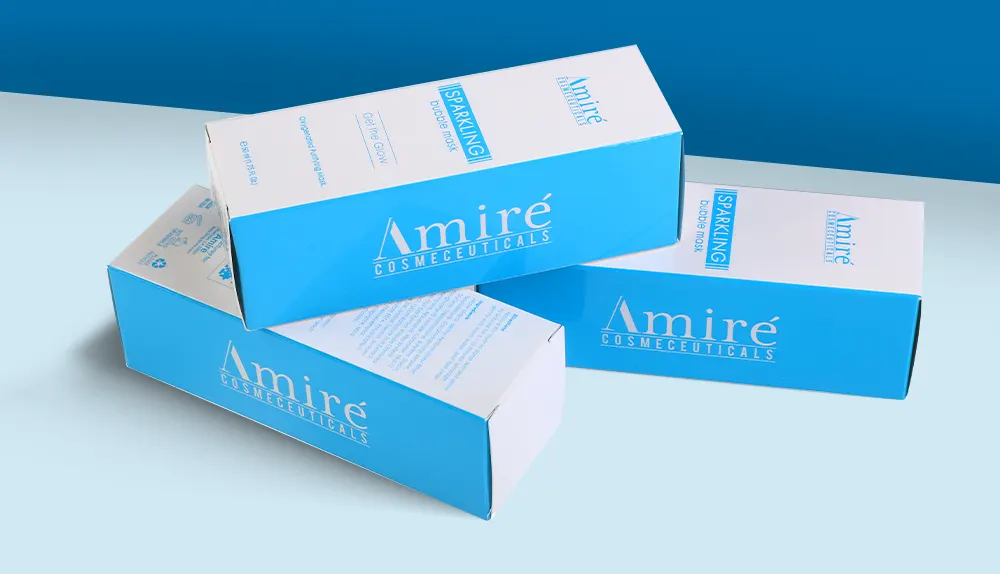
Paperboard boxes are made from single-layer cardstock, typically 300–400 GSM (about 0.3–0.45 mm thick). They arrive flat and fold into shape, which is why the industry calls them “folding cartons.”
You encounter paperboard boxes constantly: cereal boxes, cosmetic packaging, pharmaceutical cartons, electronic product boxes, and most retail product packaging. They’re lightweight, print beautifully, and cost relatively little to produce at scale.
Key characteristics:
- Single-layer material, no fluting
- Ships flat, folds into shape
- Excellent print quality
- Lower material and shipping costs
- Limited weight capacity and protection
Corrugated Boxes
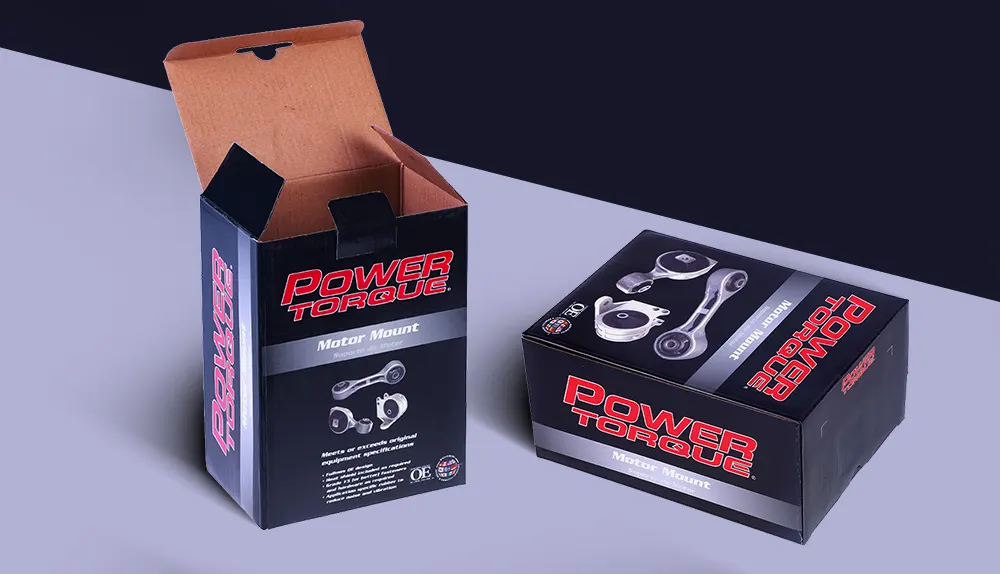
Corrugated boxes feature a distinctive structure: one or more fluted (wavy) layers sandwiched between flat linerboards. This fluting creates air pockets that provide cushioning and structural strength far beyond what the paper weight alone would suggest.
When people say “cardboard box,” they usually mean corrugated. These are your shipping boxes, moving boxes, and e-commerce mailers. The brown box that Amazon deliveries arrive in? Corrugated.
Key characteristics:
- Multi-layer construction with fluted middle
- Superior cushioning and stacking strength
- Primarily functional, not decorative
- Moderate cost with excellent protection value
- Print quality limited compared to paperboard
Rigid Boxes (Set-Up Boxes)
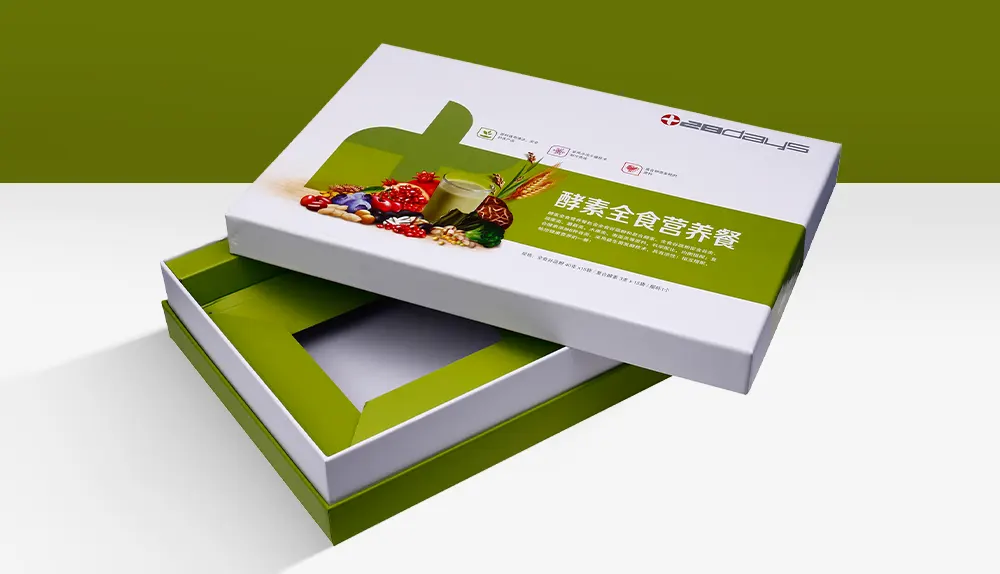
Rigid boxes are constructed from thick, dense chipboard (usually 1.5–3 mm) wrapped in printed paper, fabric, or specialty materials to create the finished appearance.
There are two main types:
Traditional rigid boxes are permanently assembled and don’t fold. They ship fully formed, taking up their full volume during transport.
Collapsible rigid boxes feature magnetic closures or clever folding mechanisms that allow them to ship flat, then pop into rigid form when assembled. They offer the premium look of traditional rigid boxes with significantly lower shipping costs.
Think iPhone boxes, luxury watch packaging, high-end chocolate boxes, and premium gift packaging. The substantial weight and solid construction signal quality before the box is even opened.
Key characteristics:
- Thick chipboard construction (1.5–3 mm)
- Premium look and feel
- Highest cost per unit
- Traditional: ships assembled; Collapsible: ships flat
- Maximum perceived value
Quick Comparison: Which Box for What?
| Factor | Paperboard | Corrugated | Rigid |
|---|---|---|---|
| Best for | Retail display, lightweight products | Shipping, heavy items, e-commerce | Luxury goods, gifting, premium brands |
| Product weight | Under 350g ideal | Up to 20kg+ depending on construction | Under 1.5kg typical |
| Protection level | Basic | High (impact, compression) | Moderate (presentation-focused) |
| Print quality | Excellent | Limited | Excellent (wrapped paper) |
| Cost per unit | $ | $$ | $$$ |
| Shipping cost | Low (ships flat) | Medium (ships flat) | High (ships assembled or flat) |
| MOQ typical | 300 | 500 | 500 |
| Perceived value | Standard–Premium | Functional | Luxury |
When to Choose Paperboard Boxes
Paperboard boxes are the right choice when your product needs to look good on a retail shelf, weighs under 350 grams, and doesn’t require heavy-duty protection during shipping.
Ideal Applications
Cosmetics and beauty products. Paperboard boxes with premium finishes (soft-touch lamination, foil stamping, spot UV) create the luxury presentation that beauty brands require. The boxes protect products during handling while showcasing brand identity on retail shelves.
Food packaging. Cereal, snacks, tea, chocolate, and countless other food products use paperboard. It’s food-safe when properly coated, prints nutrition information and branding clearly, and costs little enough for consumable goods.
Pharmaceuticals and supplements. The crisp, clean printing on paperboard clearly displays required regulatory information. Tamper-evident features integrate easily into folding carton designs.
Consumer electronics accessories. Phone cases, cables, earbuds, and similar lightweight tech accessories work well in paperboard. The boxes look premium at retail while keeping packaging costs proportional to product value.
Subscription boxes (inner packaging). While the outer shipper is typically corrugated, the branded boxes inside are often paperboard—combining the protection of corrugated with the presentation of printed cartons.
When Paperboard Won't Work
Don’t use paperboard boxes when:
- Your product weighs more than 350g (the box may bulge, tear, or feel flimsy)
- Products ship without an outer carton (paperboard alone won’t survive carrier handling)
- Contents are fragile and need cushioning (paperboard provides minimal shock absorption)
- Boxes will be stacked heavily (compression strength is limited)
When to Choose Corrugated Boxes
Corrugated boxes are the workhorse of packaging. Choose them when products need to survive shipping, bear weight, or resist impact—and when utilitarian appearance is acceptable.
Understanding Corrugated Grades
Not all corrugated is equal. The flute profile (wave size) and wall construction dramatically affect performance:
Single-wall corrugated has one fluted layer between two liners. It’s the standard for most shipping applications and comes in several flute sizes:
- E-flute (1.5 mm): Thin, smooth surface, good for retail-ready printed shippers
- B-flute (3 mm): Good all-around protection, common for e-commerce
- C-flute (4 mm): More cushioning, standard shipping box
- BE-flute (double-wall, 4.5 mm): Heavy-duty applications, stacking strength
The rule of thumb: Thicker flutes provide more cushioning; thinner flutes print better and take up less space.
Ideal Applications
E-commerce shipping. The vast majority of products sold online ship in corrugated boxes. Custom-printed corrugated creates branded unboxing experiences while protecting contents.
Heavy products. Books, bottles, appliances, tools—anything with significant weight needs corrugated’s structural strength. Paperboard would fail; rigid would be prohibitively expensive.
Fragile items. Corrugated’s fluted structure absorbs shocks that would shatter glass or damage electronics. Combined with proper inserts, it protects delicate products effectively.
Wholesale and bulk packaging. Master cartons containing multiple retail units are almost always corrugated. The boxes need to stack on pallets, survive warehousing, and handle forklift transport.
Food and beverage shipping. Pizza boxes, wine shippers, produce boxes, and meal kit deliveries all use corrugated. It’s food-safe, insulating, and sturdy enough for the contents.
Print Limitations to Consider
Corrugated printing can be tricky. When designing for corrugated boxes, there are a few inherent industry limitations you should keep in mind:
Post-pasted corrugated printing limits quality: When manufacturers print directly onto corrugated board after the fluted layer is already completed, the uneven surface and absorbent paper limit detail reproduction and color vibrancy. Fine text, gradients, and photographic images won’t reproduce well.
Brown kraft surfaces shift colors: If your box uses brown kraft paper as the outer layer, printed colors will be affected by the brown background. Whites won’t be white, and colors shift toward warmer, muted tones. Design accordingly or choose a white liner for color-critical applications.
Size limits for flat sheets: Offset printing presses have maximum sheet sizes. For litho-laminated corrugated, the typical maximum flat size is approximately 880×1250 mm. Boxes larger than this cannot be produced as a single printed piece and will require two separate printed panels joined together.
The Solution: Pre-Pasted Corrugated Printing
To overcome the poor print quality of standard post-pasted corrugated boxes, the solution is the pre-pasted method.
At QinPrinting, our multi-step litho-lamination process ensures maximum quality: we first offset-print your design in high resolution onto premium paperboard. Next, we apply a protective lamination, followed by any luxury embellishments you choose—such as hot foil stamping, spot UV, or embossing. Finally, we precision-mount this beautifully finished sheet onto the corrugated board. This meticulous process gives you the unmatched structural strength of corrugated packaging combined with flawless, premium-level graphics.
When to Choose Rigid Boxes
Rigid boxes exist for one purpose: making products feel special. Choose them when the packaging experience is part of the product’s value proposition.
The Economics of Rigid
Rigid boxes cost 5–10× more than equivalent paperboard boxes. They also ship assembled, meaning you’re paying to transport air. This math only works when:
- Product margins are high enough to absorb packaging costs
- The premium presentation demonstrably drives sales or justifies pricing
- The box itself becomes a keepsake that extends brand presence
Ideal Applications
Luxury goods. Jewelry, watches, premium spirits, and designer items demand rigid packaging. Customers expect substantial, beautifully crafted boxes—and they’re paying prices that support them.
Consumer electronics (flagship products). Apple established rigid packaging as the standard for premium tech. The unboxing experience reinforces the product’s premium positioning and generates social media content.
Gift packaging. When the box is part of the gift, rigid delivers. Premium chocolates, gift sets, and special occasion items benefit from packaging recipients will keep and reuse.
Limited editions and collectibles. Special releases justify special packaging. Rigid boxes with custom finishes (magnetic closures, ribbon pulls, embossing) create collectible packaging that commands premium pricing.
Brand experience boxes. Welcome kits, PR packages, and brand ambassador boxes use rigid construction to create memorable experiences that generate social sharing and brand loyalty.
The Hidden Cost: Shipping Volume
A folding carton ships flat—thousands fit in a small space. Traditional rigid boxes ship assembled, each one taking up its full volume. Before committing to rigid:
Calculate your true landed cost. A $3 rigid box might cost $1.50 to ship from manufacturer to your warehouse, plus warehouse space for assembled inventory. That $3 box actually costs $5+ before it reaches a customer.
Consider collapsible rigid boxes. As mentioned earlier, collapsible rigid boxes deliver the same premium aesthetics but ship flat. They cost slightly more to manufacture than traditional rigid boxes, but the logistics savings often outweigh the difference—especially for international shipping or large orders.
Factor in MOQs. Rigid box minimum orders typically match paperboard (500–1,000), but the per-unit cost makes overordering much more painful. Size your orders carefully.
Decision Framework: Matching Boxes to Products
Still unsure? Walk through these questions:
Question 1: How Will the Product Reach Customers?
Retail shelf → Customer takes home: Paperboard (ships in master cartons to store)
Warehouse → Direct to customer (e-commerce): Corrugated shipper, possibly with paperboard inner box
Retail shelf → Gift recipient: Consider rigid if price point supports it
Question 2: What Does the Product Weigh?
Under 200g: Paperboard works well
200g–500g: Paperboard works, consider material thickness
500g–2kg: Corrugated for shipping; retail display depends on context
Over 2kg: Corrugated required for any shipping application
Question 3: What's Your Target Packaging Cost Per Unit?
Under $1.00: Paperboard or basic corrugated only
$1.00–$2.00: Paperboard with premium finishes, or printed corrugated
$2.00–$5.00: High-end paperboard, litho-lam corrugated, or consider rigid
Over $5.00: Rigid becomes viable; evaluate if the investment returns value
Question 4: How Important Is the Unboxing Experience?
Functional (just protect the product): Corrugated, simple paperboard
Branded (reinforce identity): Printed paperboard or custom corrugated
Experiential (create a moment): Premium paperboard with finishes, or rigid
Exceptional (packaging is part of the product): Rigid, custom structures
Hybrid Approaches: Combining Box Types
Many successful packaging solutions combine box types strategically:
Corrugated shipper + Paperboard inner box: The standard e-commerce approach. Corrugated protects during transit; paperboard presents the brand beautifully when opened. The inner box can be as premium as your budget allows.
Corrugated shipper + Rigid presentation box: For luxury e-commerce, a rigid box inside a corrugated shipper delivers the unboxing experience while surviving carrier handling.
Litho-laminated corrugated: When you need corrugated strength with paperboard-quality graphics—like retail-ready shippers that go directly on store shelves.
Rigid-style collapsible boxes: The look of rigid with flat shipping economics. Construction is more complex, but logistics savings can be significant at scale.
Making Your Decision
The right box type depends on your specific product, price point, channel, and brand positioning. There’s no universal answer—but there’s almost always a clear best choice once you’ve analyzed your situation.
If you’re still weighing options, start with samples. Hold each box type in your hands with your product inside. Ship test packages to yourself. Show options to target customers and watch their reactions.
The packaging your competitors use isn’t necessarily right for you. What works for a $15 product may be wrong for a $150 product. What suits a luxury gift brand may be wasteful for an everyday consumable.
Match the box to what your product needs—protection, presentation, or both—and what your customers will value. That’s the decision that pays off.
Ready to explore packaging options for your product? Browse our custom paperboard boxes, custom corrugated boxes, and custom high-end rigid boxes to find the right solution for your needs.
Still unsure whether your new project needs paperboard, corrugated, or rigid? Contact our packaging experts today for free structural design advice and custom sampling services. Let us help you make the perfect choice with zero risk.