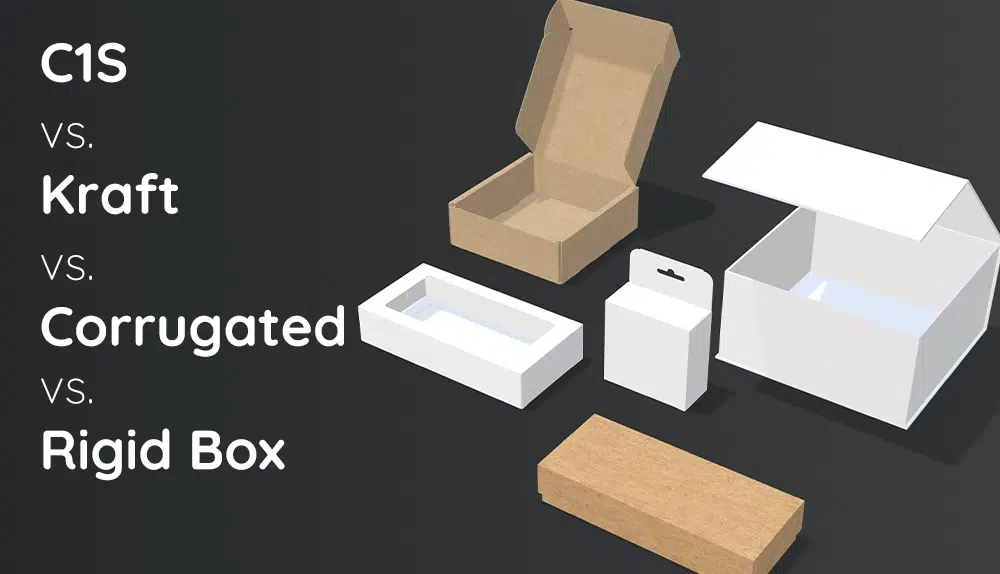
The material you choose for your custom packaging boxes affects everything—from how your brand is perceived to whether your products survive shipping intact. Yet many businesses default to whatever their first supplier offers, missing opportunities to optimize for cost, sustainability, or premium positioning.
This guide breaks down the four most popular packaging materials—C1S paperboard, kraft paper, corrugated cardboard, and greyboard rigid boxes—so you can make an informed decision based on your specific needs.
Quick Material Guide
- Choose C1S for a silky-smooth finish, vibrant colors, and retail-ready presentation.
- Choose Kraft for that warm, fibrous texture that feels handmade and eco-conscious.
- Choose Corrugated for sturdy, cushioned protection that keeps products safe during shipping.
- Choose Greyboard (Rigid Box) for that weighty, substantial feel that says luxury before the lid is even lifted.
1. What Is C1S Paperboard?
C1S stands for “Coated One Side.” Pick one up and you’ll notice right away—one side feels silky-smooth under your fingertips, almost like a glossy magazine page. That’s the clay-coated surface that makes colors pop. Flip it over and the inside has an uncoated texture. Learn more about folding carton boxes →
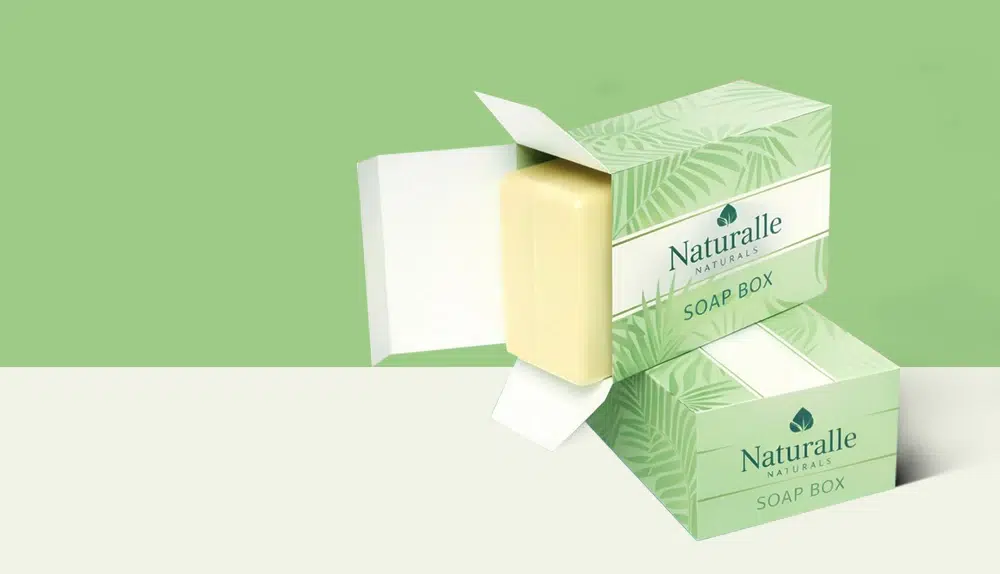
Why Brands Love C1S:
- Vibrant, high-definition printing—ideal for detailed artwork and photography
- Works with all premium finishes—imagine running your fingers over velvety soft-touch lamination, or tracing the raised edges of an embossed logo
- Clean, professional appearance that signals quality
- Available in various thicknesses (300gsm–400gsm) for different product weights
Best For:
- Retail store displays (Nordstrom, Target, Sephora, boutiques)
- Cosmetics, skincare, and beauty products
- Consumer electronics accessories
- Gift-ready presentation
Limitations:
- Less eco-friendly than kraft (coating makes recycling harder)
- Provides minimal cushioning—not ideal as a standalone shipping box
Pro Tip: Double-Sided Printing — Consider printing on both sides of your C1S box for a premium unboxing experience. The exterior showcases your brand, while the interior reveals a surprise pattern, care instructions, or a heartfelt message. This “hidden detail” delights customers and encourages social media sharing.
2. What Is Kraft Paper?
Run your hand across kraft paper and you’ll feel its character—a little rough, fibrous, honest. It has the warm, earthy texture of a handwritten letter or your favorite coffee bag from a local roaster. That tactile rawness is exactly why customers connect it with authenticity and craftsmanship. Learn more about kraft boxes →
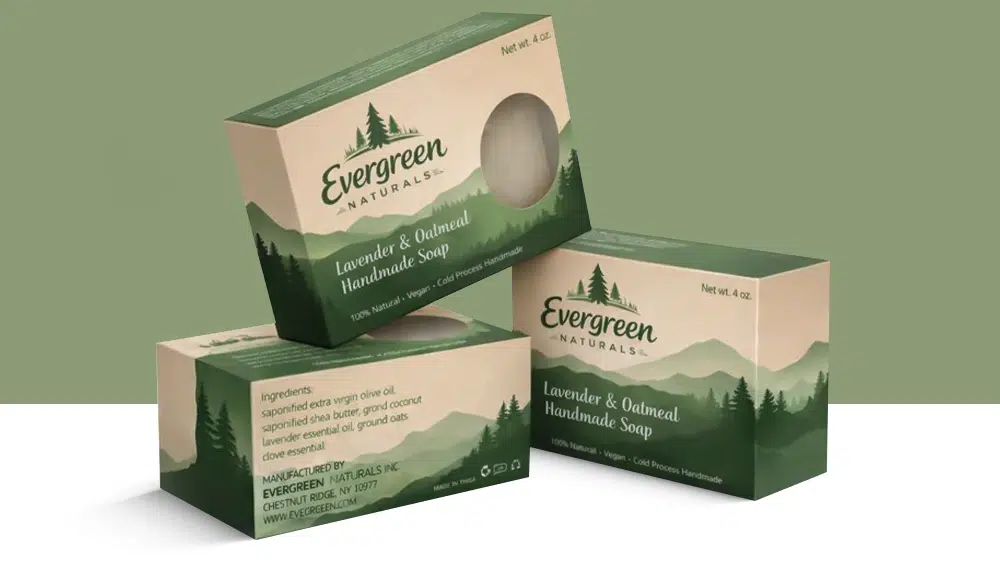
Why Brands Love Kraft:
- Warm, textured surface you can actually feel—communicates authenticity right away
- Fully recyclable and biodegradable—appeals to eco-conscious consumers
- Strong and tear-resistant
Kraft Variations:
| Type | Appearance | Best For |
|---|---|---|
| Natural Brown Kraft | Warm, earthy brown tone | Artisan brands, farmers market sellers, eco brands |
| White Kraft | Clean white, slightly textured | Minimalist designs, cleaner aesthetic |
| Black Kraft | Deep matte black | Luxury positioning, dramatic contrast |
Best For:
- Eco-friendly and sustainable brands
- Handmade, artisanal, and small-batch products
- Natural cosmetics and organic skincare
- Jewelry and handcrafted goods
Limitations:
- Uncoated surface limits print vibrancy—colors appear muted
- Porous surface absorbs ink, so fine details may blur
- Fewer finishing options (foil works, but film lamination doesn’t adhere well)
2026 Trend: White Ink on Brown Kraft — White ink printing on natural brown kraft is emerging as a major design trend. The contrast creates a striking, modern aesthetic that feels both premium and eco-conscious. This technique works beautifully for minimalist logos, hand-lettered typography, and botanical illustrations.
3. What Is Corrugated Cardboard?
Press your thumb into corrugated cardboard and feel it give just a little—that’s the magic of the fluted layer inside. Those hidden waves create tiny air pockets that absorb shock and keep your products safe. Give it a tap and you’ll hear that hollow, sturdy sound that says “protected.” Learn more about corrugated boxes →
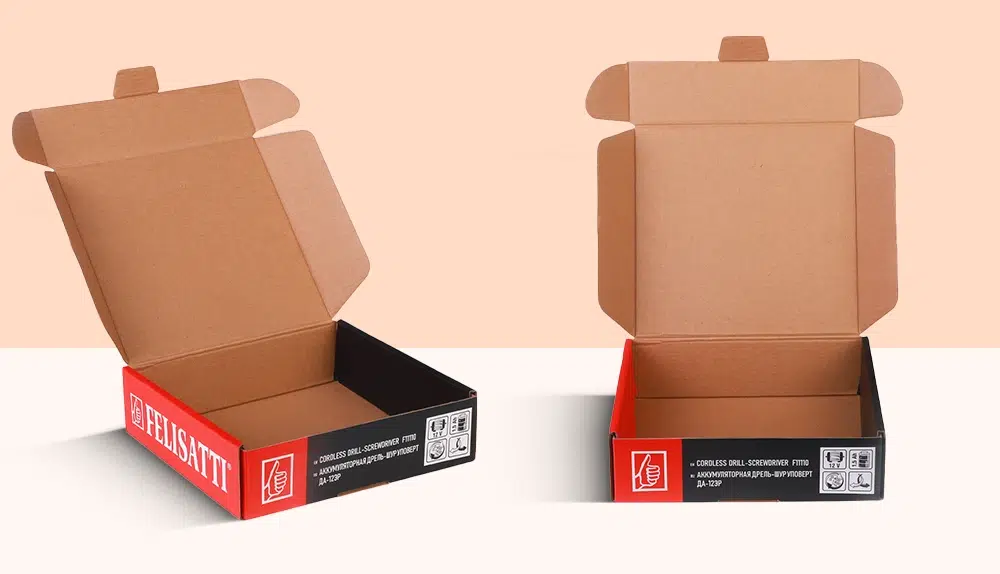
Why Brands Love Corrugated:
- Superior protection during shipping—absorbs impacts and vibrations
- Lightweight yet strong—keeps shipping costs down
- Can be printed with high-quality graphics using litho-lamination
Corrugated Flute Types:
| Flute Type | Thickness | Best For |
|---|---|---|
| E-flute | 1.5mm | Most retail packaging—good print surface, adequate protection |
| B-flute | 3mm | Heavy products, multi-item sets, extra cushioning |
| F-flute | 0.8mm | Small items where you want corrugated strength with minimal bulk |
Best For:
- E-commerce and subscription box brands
- Shipping products directly to customers
- Heavy or fragile items that need extra protection
- Mailer boxes that double as retail packaging
Limitations:
- Bulkier than C1S—takes up more shelf space and increases shipping costs
- More expensive than basic folding cartons for retail display
4. What Is Greyboard (Rigid Box)?
Pick up a greyboard rigid box and you’ll get it right away—there’s a satisfying weight in your hands, a solid density that says “premium” before you even open it. The walls don’t flex or give. Lift the lid and feel that gentle resistance, then a smooth release. It’s the same experience as unboxing a new iPhone or cracking open a Tiffany jewelry case. Learn more about rigid boxes →
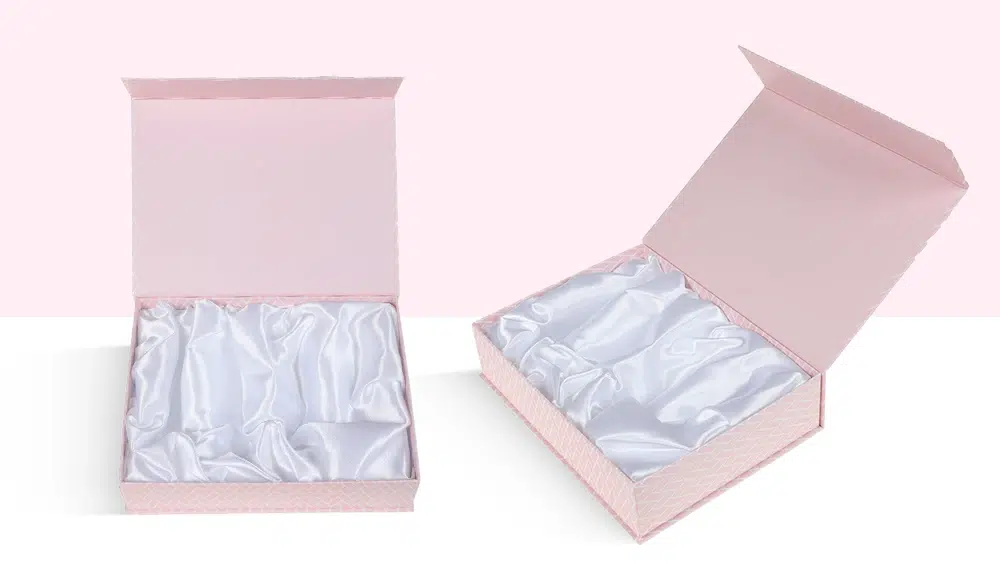
Why Brands Love Greyboard Rigid Boxes:
- Solid weight in your hands—signals luxury right away and justifies premium pricing
- Excellent protection—rigid structure shields products from damage
- Reusable packaging—customers often keep the box for storage or display
- Full finishing options—foil stamping, embossing, spot UV, soft-touch all work beautifully
- Perfect unboxing experience—ideal for social media sharing and influencer marketing
Common Greyboard Rigid Box Styles:
- Lift-off lid box (telescope rigid box)—Separate lid lifts completely off the base. Classic luxury presentation.
- Collapsible rigid box—Ships flat to cut shipping costs, then pops into shape. Same luxury feel, lower logistics expense.
- Drawer box (slide box)—Inner tray slides out from sleeve. Modern, interactive unboxing.
- Magnetic closure box—Hidden magnets create that satisfying “click” when it closes—the sound and feel of luxury.
Best For:
- Luxury and high-end brands
- Premium cosmetics and skincare
- High-end electronics
- Gift sets and holiday collections
- Department store and high-end boutique retail
Limitations:
- Highest cost—typically more than 5x the price of folding cartons
- Higher MOQ (minimum order quantity) due to setup complexity
- Longer production time than folding cartons
5. Side-by-Side Material Comparison
Here’s how all four materials compare:
| Factor | C1S Paperboard | Kraft Paper | Corrugated | Greyboard (Rigid) |
|---|---|---|---|---|
| Print Quality | Excellent | Good for solid colors | Very good | Excellent |
| Premium Finishes | Full range | Limited | Most available | Full range |
| Protection | Minimal | Minimal | Excellent | Excellent |
| Eco-Friendliness | Moderate | Excellent | Good | Good |
| Cost | $ Low | $$ Medium | $$$ Higher | $$$$ Highest |
| Best Channel | Retail stores | Markets & online | E-commerce shipping | Luxury retail, gifts |
| Brand Vibe | Polished, professional | Artisan, natural | Modern, practical | Ultra-luxury |
6. Which Material Is Right for Your Business?
Your ideal material depends on three key factors: sales channel, brand positioning, and shipping requirements.
Scenario A: Selling in Retail Stores
Recommended: C1S Paperboard (350gsm)
On retail shelves, shoppers reach for what catches their eye—and what feels good in their hands. C1S with soft-touch lamination creates that “I gotta pick this up” moment. The velvety surface makes people linger, turning browsers into buyers.
Scenario B: Building an Eco-Friendly Brand
Recommended: Natural Brown Kraft (350gsm)
If sustainability is central to your brand story, kraft paper reinforces that message visually. Try white ink on brown kraft for a modern, premium look, or keep it minimal with a one or two-color design. Add a “100% recyclable packaging” callout to seal the eco-friendly message.
Scenario C: Selling Primarily Online / D2C
Recommended: E-Flute Corrugated Mailer Box
When customers receive your products via mail, the unboxing experience matters—but so does the product arriving intact. A custom-printed corrugated mailer protects your product while creating a memorable brand moment. Litho-lamination gives you premium print quality on a corrugated base.
Scenario D: Gift Sets and Luxury Positioning
Recommended: Greyboard Rigid Box OR C1S with Premium Finishes
For luxury gift sets, consider greyboard rigid boxes with magnetic closure or lift-off lids for the ultimate premium experience. Add foil stamping, soft-touch lamination, and custom inserts. For mid-range luxury, C1S with premium finishes works well. Either way, ship inside a corrugated outer box for protection.
Scenario E: Competing with Premium Brands
Recommended: Greyboard Rigid Box (Magnetic or Lift-Off Lid)
To compete with established luxury brands, greyboard rigid boxes are essential. The substantial weight, precise construction, and satisfying magnetic snap or lift-off reveal communicate quality before the product is even seen. Invest in soft-touch lamination, foil-stamped logos, and custom foam or velvet inserts. Yes, they cost more—but they justify premium pricing and create the Instagram-worthy unboxing moments that drive social sharing and repeat purchases.
7. Frequently Asked Questions
Can I use C1S boxes for shipping?
Yes, but you’ll need an outer shipping box or mailer for protection. C1S alone doesn’t provide enough cushioning. A common setup is a C1S inner box for presentation inside a corrugated outer shipper.
Is kraft paper actually better for the environment?
Generally, yes. Uncoated kraft is fully recyclable and biodegradable. C1S has a clay coating that can complicate recycling (though it’s still recyclable in most areas). Corrugated is also highly recyclable—it has one of the highest recycling rates of any packaging material.
Can I print full-color designs on kraft?
Yes—we apply white ink underprinting beneath full-color designs on brown kraft. Just note that colors won’t look as crisp as on C1S white paper.
What's litho-lamination for corrugated boxes?
Litho-lamination is a process where a high-quality printed sheet (like you’d get on C1S) is glued to corrugated board. This gives you premium print quality with corrugated protection—ideal for e-commerce brands wanting a luxury look.
How do I choose the right thickness (gsm)?
For folding cartons (C1S or kraft), match thickness to product weight: 300gsm for lighter items, 350gsm for standard products, and 400gsm for heavier items or gift sets. Heavier stock feels more premium but costs more. When in doubt, order samples in different thicknesses and test with your actual products.
Can I mix materials for different products?
Absolutely. Many brands use kraft for their everyday line and C1S or greyboard for premium collections. Some use corrugated mailers for e-commerce while selling retail products in C1S boxes. Mix and match based on channel and positioning.
Ready to Order Custom Packaging?
Now that you understand the material options, it’s time to bring your packaging to life. At QinPrinting, we offer all four materials—C1S paperboard, kraft, corrugated, and greyboard rigid boxes—with full customization options. Explore our custom packaging boxes →