 Book Printing in China
 Custom Card Decks
 Custom Holographic Cards
 Free Wall Calendar Template
 Free Desk Calendar Template
 Folding Cartons
 Rigid Boxes
 Corrugated Boxes
 Custom Board Game
 Custom Card Game
 Kickstarter Print Solutions
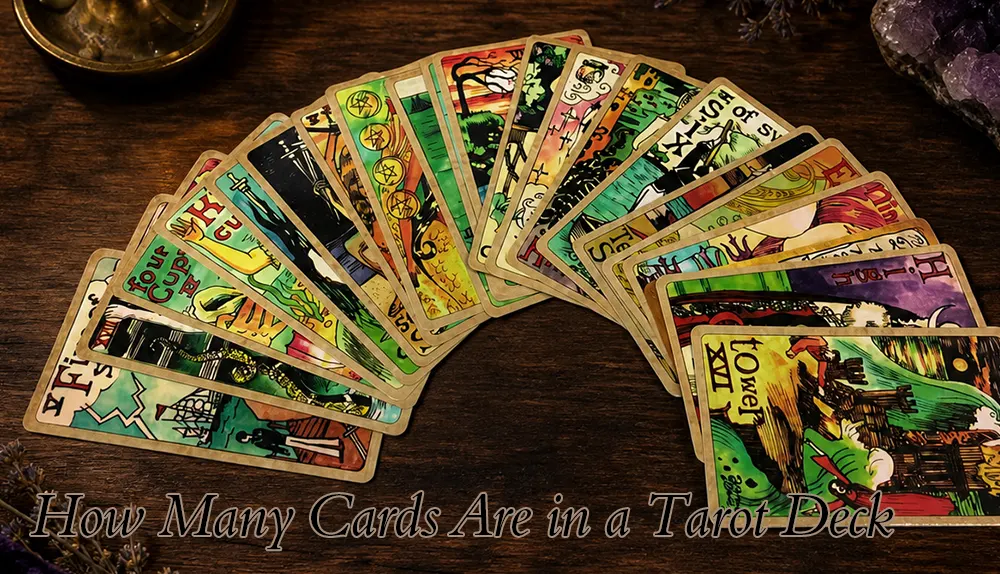
If you are new to tarot, one of the first questions you may ask is: how many cards are in a tarot deck?
A traditional tarot deck contains 78 cards. These cards are divided into two main groups:
- 22 Major Arcana cards
- 56 Minor Arcana cards
This 78-card structure is used by many of the most familiar tarot decks, including the Rider–Waite–Smith Tarot and the Tarot de Marseille. However, not every deck sold as “tarot” contains exactly 78 cards. Some modern decks include extra cards, while others focus only on the Major Arcana.
Why Are There 78 Tarot Cards?
The number 78 comes from adding the 22 Major Arcana cards to the 56 Minor Arcana cards:
22 + 56 = 78
The structure developed from early Italian tarot decks created during the Renaissance. The Minor Arcana originally followed the structure of Italian-suited playing cards, with four suits and 14 cards in each suit. A separate group of illustrated trump cards was added to the deck.
The structure of the early Italian tarot pack is documented by the Visconti-Sforza Tarot, created in Milan during the fifteenth century. According to the Morgan Library & Museum, a complete pack consisted of 78 cards: 21 trump cards, one Fool, and 56 cards divided into four 14-card suits—Cups, Staves, Coins, and Swords. Each suit contained ten numbered cards and four court cards: the Page, Knight, Queen, and King.
One of the earliest surviving complete tarot packs is the Sola-Busca Tarocchi, dating from the late 15th century. The British Museum describes it as a 78-card set containing 22 triumphs and 56 cards in four traditional suits.
It is important to remember that the number 78 was not created specifically for modern tarot readings. Tarot began as a card game, and its symbolic and divinatory uses developed later.
What Are the 22 Tarot Cards?
The 22 Major Arcana cards are the most recognizable cards in a traditional tarot deck. They are also called the Greater Arcana, trumps, or major cards.
In many modern tarot decks, the Major Arcana appear in the following order:
| Number | Major Arcana Card | Number | Major Arcana Card |
|---|---|---|---|
| 0 | The Fool | XI | Justice |
| I | The Magician | XII | The Hanged Man |
| II | The High Priestess | XIII | Death |
| III | The Empress | XIV | Temperance |
| IV | The Emperor | XV | The Devil |
| V | The Hierophant | XVI | The Tower |
| VI | The Lovers | XVII | The Star |
| VII | The Chariot | XVIII | The Moon |
| VIII | Strength | XIX | The Sun |
| IX | The Hermit | XX | Judgement |
| X | Wheel of Fortune | XXI | The World |
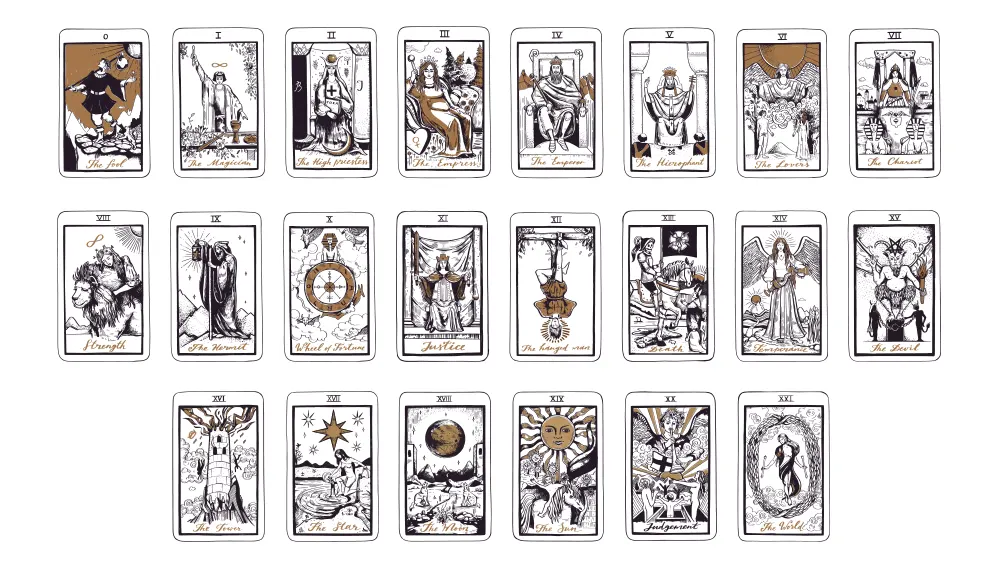
The Fool is usually numbered 0, although some tarot traditions treat it as an unnumbered card. The numbering and names can vary between different tarot systems. For example, the card called “Strength” may appear as card VIII or XI, depending on the deck’s tradition.
The Major Arcana are generally associated with major life themes, personal transformation, spiritual development, and significant turning points. However, interpretations vary by reader, culture, deck design, and tarot tradition.
What Are the 56 Minor Arcana Cards?
The Minor Arcana contain 56 cards divided into four suits. Each suit has 14 cards:
- Ace through Ten
- Page
- Knight
- Queen
- King
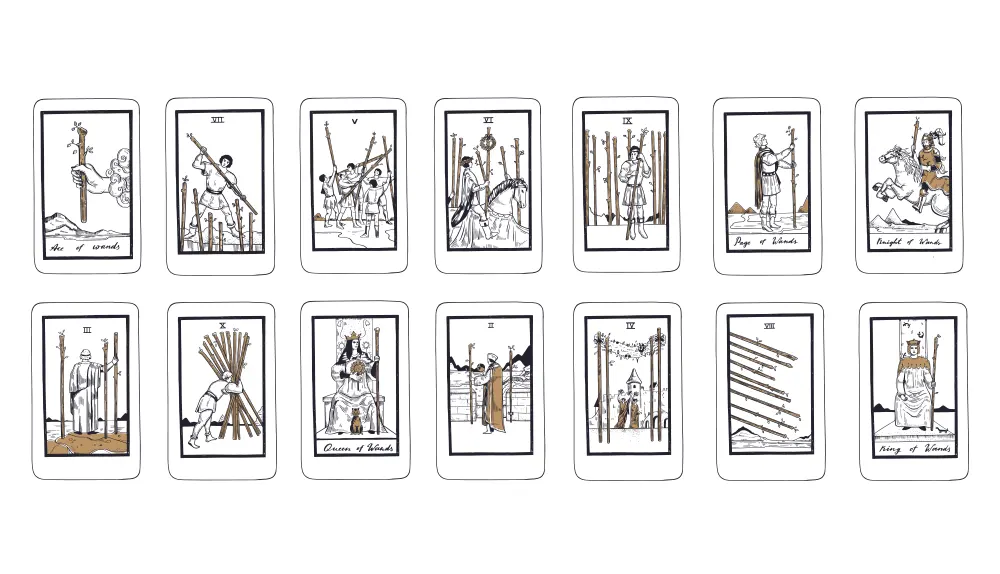
Wands
Wands are commonly associated with energy, creativity, ambition, inspiration, and action.
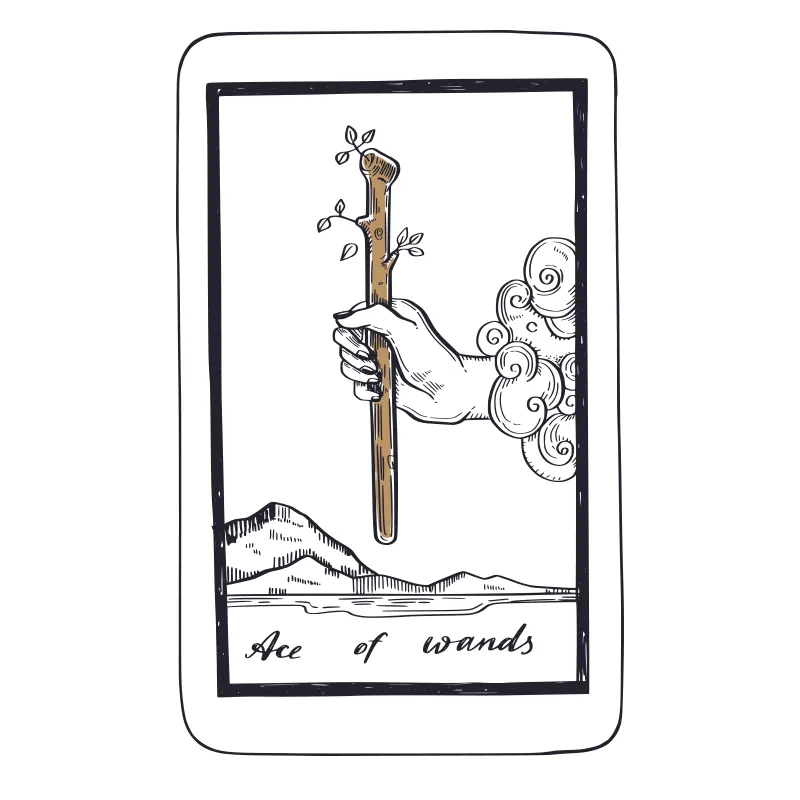
Cups
Cups are often connected with emotions, relationships, intuition, compassion, and personal connections.
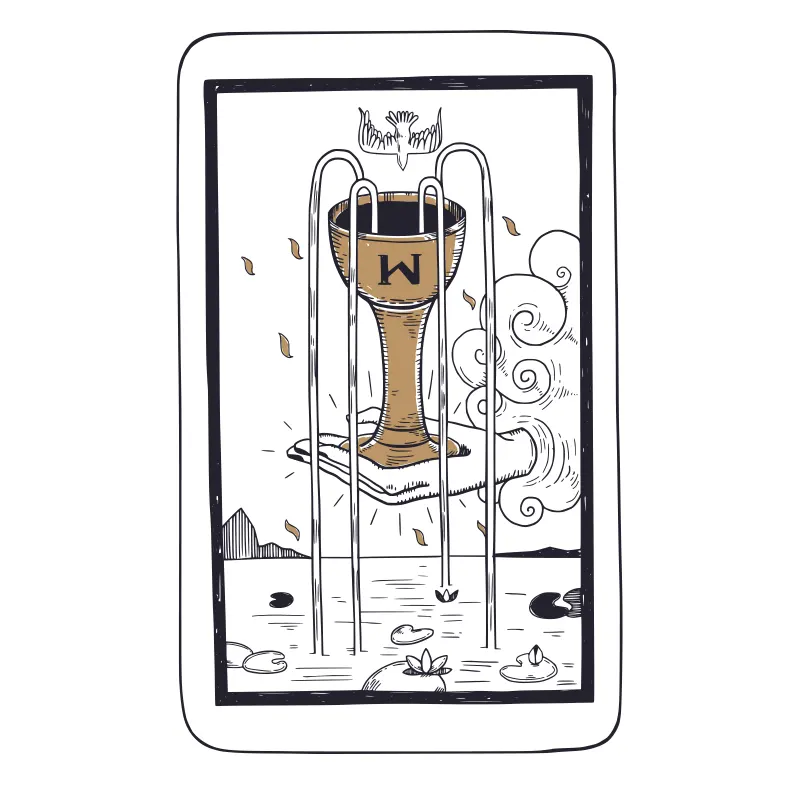
Swords
Swords are traditionally linked to thoughts, communication, conflict, decisions, and intellectual challenges.
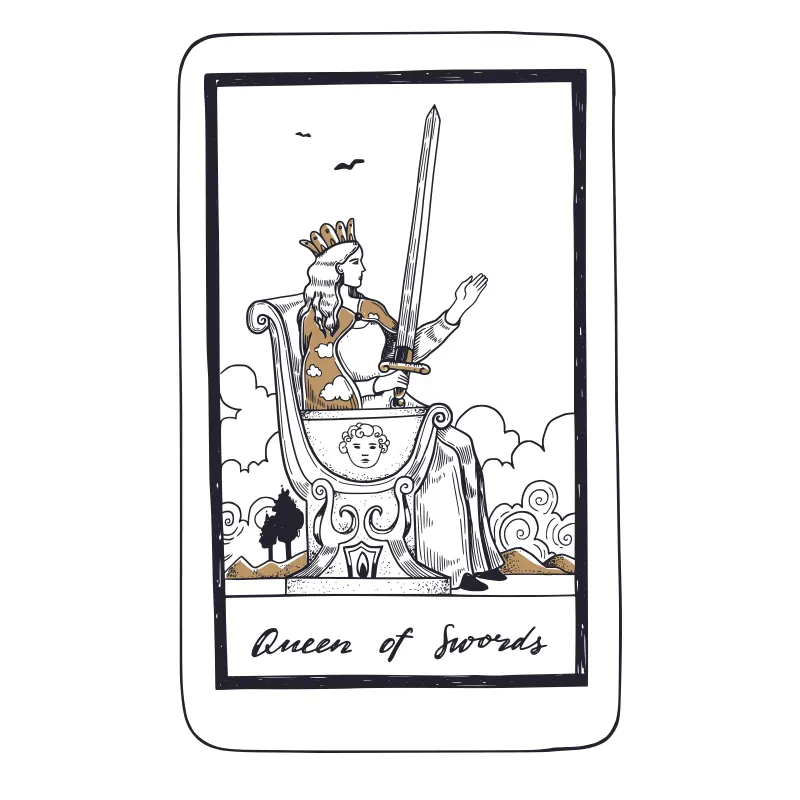
Pentacles
Pentacles, also called Coins, are usually associated with work, money, health, material resources, and practical matters.
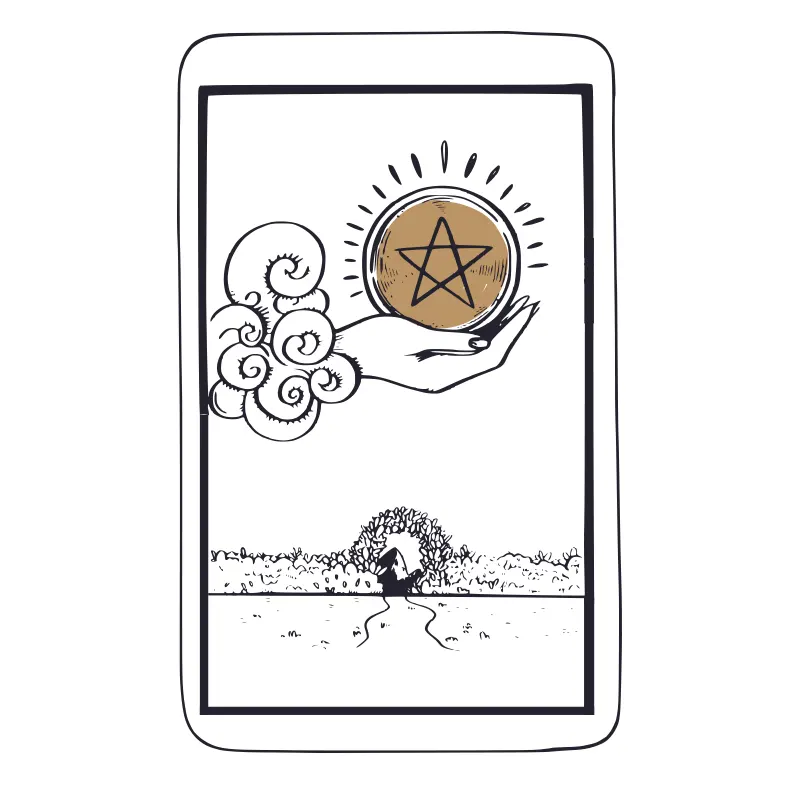
The Minor Arcana are sometimes compared with the cards in a standard playing-card deck. The numbered cards represent everyday situations, while the court cards often represent personalities, roles, or different ways of approaching a problem.
What Is the Difference Between Major Arcana and Minor Arcana?
The Major Arcana consist of 22 individual cards, each with a unique image and title. They are often associated with major themes and important transitions.
The Minor Arcana consist of 56 cards organized into four suits. They are more closely related to day-to-day events, emotions, decisions, relationships, work, and practical experiences.
Both sections are important in a complete tarot deck. A Major Arcana-only deck can still be useful, but it provides a narrower system than a complete 78-card tarot deck.
Are All Tarot Decks 78 Cards?
No. Although 78 cards is the standard format for a complete traditional tarot deck, not all tarot decks contain exactly 78 cards.
Some common variations include:
Major Arcana-only decks
Some beginner-friendly or artistic tarot decks contain only the 22 Major Arcana cards. These decks focus on archetypes and larger life themes rather than the detailed situations represented by the Minor Arcana.
Tarot decks with extra cards
Many contemporary tarot creators add one or more extra cards. These may include:
- An additional “Happy Squirrel” card
- Alternative versions of a Major Arcana card
- Additional court cards
- Extra cards explaining the deck’s theme
- Cards with alternate artwork or meanings
These extra cards do not necessarily mean that the deck is incomplete. They are often intentional additions created by the artist or publisher.
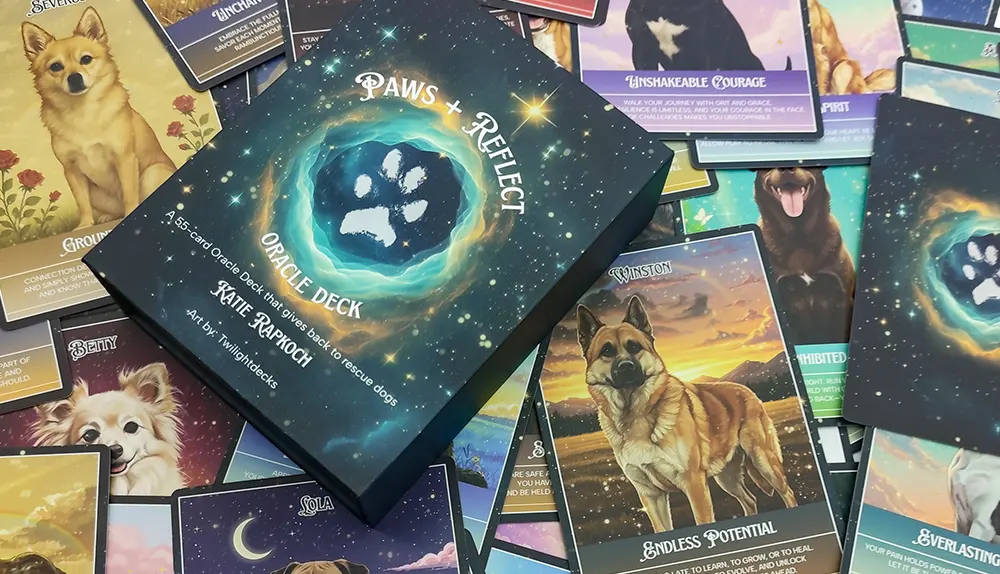
Oracle decks
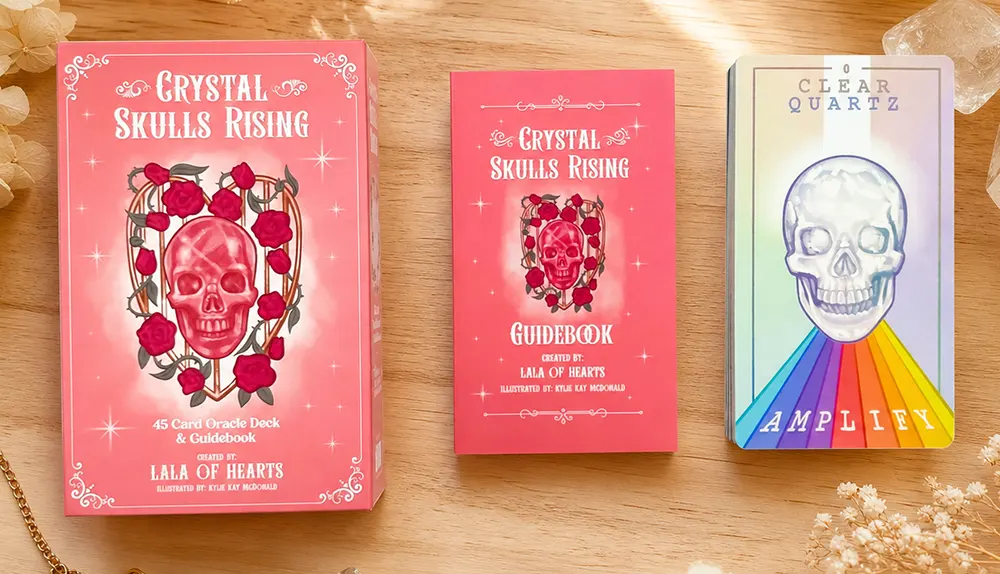
Oracle cards are not the same as tarot cards. An oracle deck can contain almost any number of cards, depending on the creator. Common oracle deck sizes include 36, 44, 48, and 52 cards, although there is no fixed rule.
A deck with 44 cards may be an oracle deck, an affirmation deck, or another type of divination card set rather than a traditional tarot deck.
How Can You Check Whether a Tarot Deck Is Complete?
To check whether a tarot deck contains all 78 standard cards, count the following:
- 22 Major Arcana cards
- 14 Wands cards
- 14 Cups cards
- 14 Swords cards
- 14 Pentacles or Coins cards
The four Minor Arcana suits should each contain one Ace, cards numbered Two through Ten, and four court cards.
Some decks change the names of the suits. For example:
- Wands may be called Batons or Staves
- Cups may be called Chalices
- Pentacles may be called Coins or Disks
- Pages may be called Princesses or Knaves
- Knights may be called Princes or Cavaliers
Different names do not automatically indicate a missing or incorrect card. The deck’s guidebook usually explains how its terminology corresponds to the traditional tarot structure.
Can You Create Your Own Tarot Deck?
Yes. Many independent artists, writers, spiritual practitioners, and designers create their own tarot decks. A custom tarot deck usually requires careful planning because it contains a large number of unique illustrations.
Before preparing a deck for production, creators should consider:
- The total card count
- Card dimensions
- Card stock
- Printing colors
- Matte or glossy finish
- Rounded or square corners
- Box design
- Guidebook requirements
- Packaging and shipping
- Whether extra cards are needed
For creators who are developing a new deck, professional tarot card printing services can help turn original artwork into a finished, retail-ready product. A custom-printed tarot deck can include the traditional 78 cards, additional cards, a custom tuck box, a rigid box, or a complete package with a companion booklet.
Final Answer: How Many Cards Are in a Tarot Deck?
A traditional tarot deck contains 78 cards: 22 Major Arcana cards and 56 Minor Arcana cards.
The 56 Minor Arcana are divided into four suits—Wands, Cups, Swords, and Pentacles—with 14 cards in each suit. While 78 cards is the standard format, some modern, historical, and artistic tarot decks contain fewer or more cards.
Therefore, a tarot deck does not always have to contain exactly 78 cards. The important question is whether the deck is intended to be a complete traditional tarot system or a creative variation based on tarot symbolism.