 Book Printing in China
 Custom Card Decks
 Custom Holographic Cards
 Free Wall Calendar Template
 Free Desk Calendar Template
 Folding Cartons
 Rigid Boxes
 Corrugated Boxes
 Custom Board Game
 Custom Card Game
 Kickstarter Print Solutions
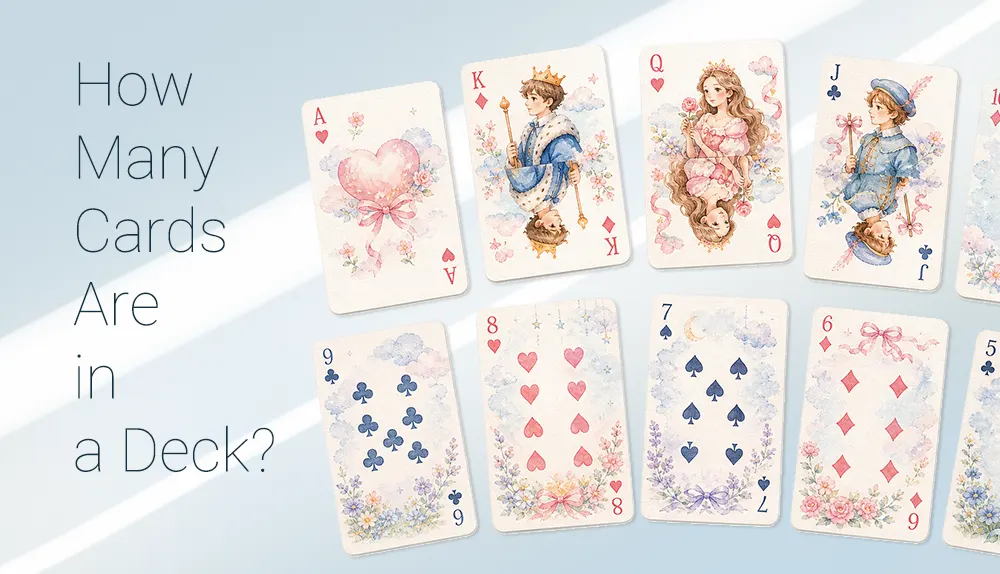
A standard deck of playing cards has 52 cards.
Those 52 cards are divided into four suits:
- 13 Hearts
- 13 Diamonds
- 13 Clubs
- 13 Spades
Each suit contains an Ace, cards 2 through 10, a Jack, a Queen, and a King.
So, if you are asking how many cards are in a standard deck, the simple answer is:
52 cards without Jokers.
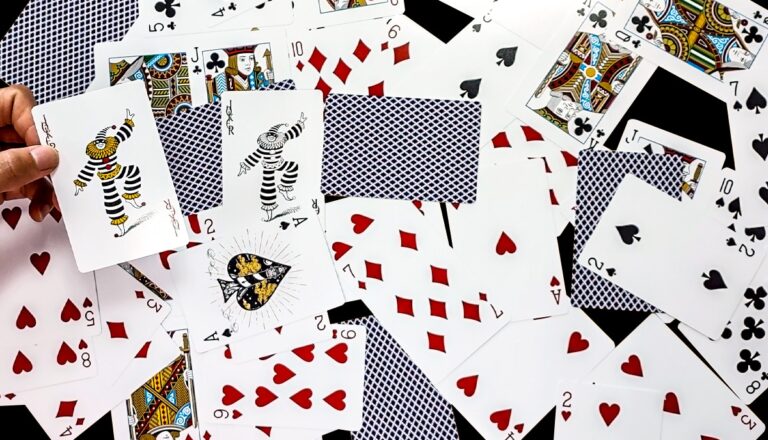
Many packs also include two Jokers. In that case, there may be 54 physical cards in the box: 52 standard playing cards plus 2 Jokers.
Are There 52 or 54 Cards in a Deck? What About Jokers?
This is one of the most common points of confusion.
A standard playing-card deck has 52 cards.
However, many commercially sold packs also include two Jokers, bringing the total number of physical cards in the package to 54.
So:
- 52 cards = the standard four-suit deck
- 53 cards = 52 standard cards + 1 Joker
- 54 cards = 52 standard cards + 2 Jokers
The important point is that Jokers are not included in the standard 52-card count.
The 52 regular cards all belong to one of four suits—Hearts, Diamonds, Clubs, or Spades. Jokers do not belong to any of these suits and are treated as additional cards.
That means a standard deck without Jokers still has all 52 regular cards.
Some games use no Jokers, others use one, and some use two. For example, Bicycle’s rules for Spades with Jokers describe a standard 52-card pack with two Jokers added separately.
So when someone asks “Are there 52 or 54 cards in a deck?”, the clearest answer is:
There are 52 cards in the standard deck, or 54 physical cards if two Jokers are included.
What Are the 52 Cards in a Deck?
The 52 cards in a standard playing deck consist of 13 ranks repeated across four suits.
Each suit contains:
Ace, 2, 3, 4, 5, 6, 7, 8, 9, 10, Jack, Queen, and King.
Because every rank appears once in each suit, there are four of every rank.
| Rank | Number in a Deck | Rank | Number in a Deck |
|---|---|---|---|
| Aces | 4 | Eights | 4 |
| Twos | 4 | Nines | 4 |
| Threes | 4 | Tens | 4 |
| Fours | 4 | Jacks | 4 |
| Fives | 4 | Queens | 4 |
| Sixes | 4 | Kings | 4 |
| Sevens | 4 | Total | 52 |
So there are four Aces, four Kings, four Queens, four Jacks, and four of every numbered rank.
How Many Suits Are in a Deck, and How Many Cards Are in Each Suit?
A standard deck contains four suits, with 13 cards in each suit:
- 13 Hearts
- 13 Diamonds
- 13 Clubs
- 13 Spades
Every suit contains the same 13 ranks:
Ace, 2 through 10, Jack, Queen, and King.
That gives:
4 suits × 13 cards = 52 cards.
The four familiar suits are historically associated with the French playing-card system and became the basis of the international deck commonly used in the United States, Canada, the United Kingdom, Australia, and many other countries.
Regional card traditions still exist, particularly in parts of Europe, so not every playing-card system in the world uses exactly the same suits.
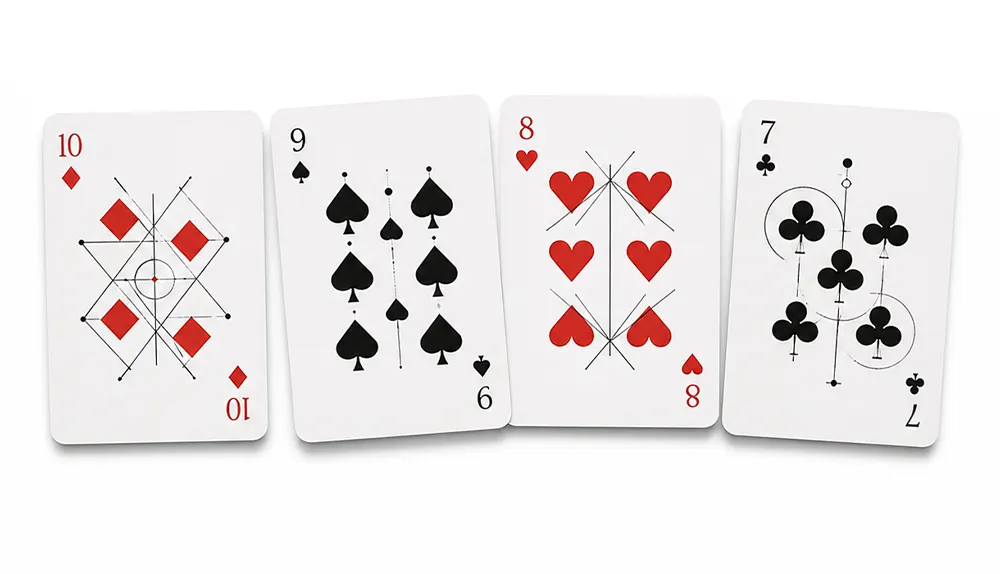
How Many Red and Black Cards Are in a Deck?
A standard 52-card deck is divided evenly between red and black cards.
There are:
- 26 red cards — 13 Hearts and 13 Diamonds
- 26 black cards — 13 Clubs and 13 Spades
| Color | Suits | Number of Cards |
|---|---|---|
| Red | Hearts + Diamonds | 26 |
| Black | Clubs + Spades | 26 |
| Total | 52 |
So exactly half of a standard deck is red and half is black.
How Many Aces, Kings, Queens, Jacks, and Face Cards Are in a Deck?
Because every rank appears once in each of the four suits, a standard deck contains:
- 4 Aces
- 4 Kings
- 4 Queens
- 4 Jacks
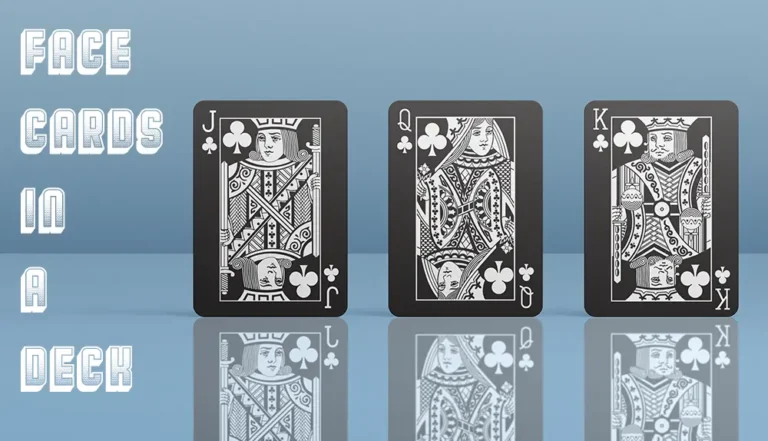
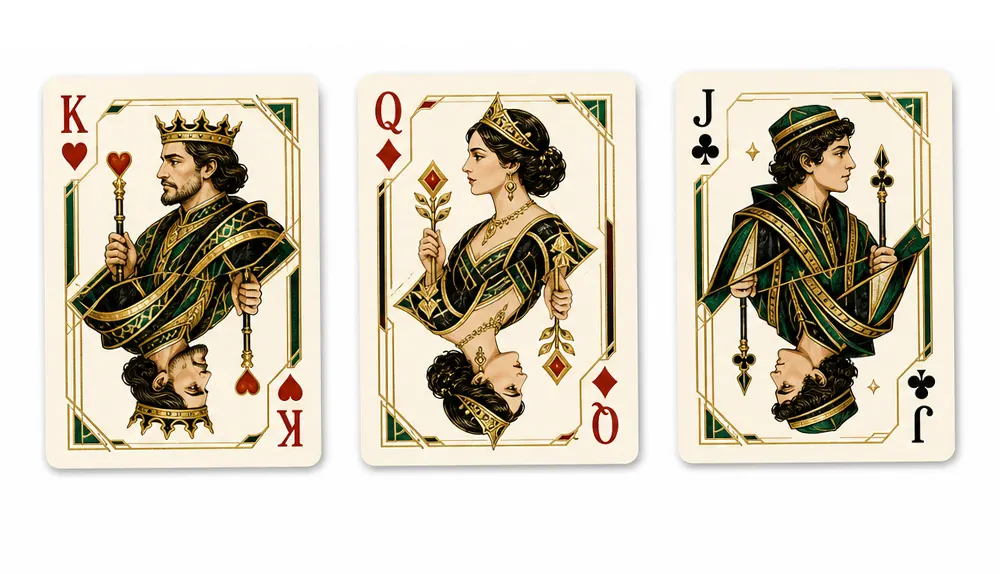
The traditional face cards are the Jacks, Queens, and Kings.
That gives:
4 Jacks + 4 Queens + 4 Kings = 12 face cards.
Aces are generally not considered face cards. They are treated as their own rank.
If you want a more detailed explanation of face cards, their suits, colors, and probabilities, see our complete guide to face cards in a deck.
Why Are There 52 Cards in a Standard Deck?
There is no single documented moment when someone decided that every playing-card deck should contain exactly 52 cards.
Playing cards developed over centuries, and historical European decks were much less standardized than modern ones. Different regions used different suits, ranks, and total numbers of cards.
The Metropolitan Museum of Art documents historical European packs containing different numbers of cards and different suit systems before the modern international deck became dominant.
Over time, the familiar structure became:
4 suits × 13 cards = 52 cards.
The four French suits—Hearts, Diamonds, Clubs, and Spades—became especially influential because their relatively simple symbols were easy to reproduce. The international 52-card pack then spread widely through popular card games and commercial printing.
You may sometimes see claims that:
- 52 cards represent 52 weeks in a year
- 4 suits represent the four seasons
- 13 cards per suit represent 13 lunar cycles
These are interesting symbolic comparisons, but they should not be treated as the established historical reason that modern decks contain 52 cards.
Historical evidence shows that deck structures varied considerably before the 52-card format became widely standardized.
Why Are There 52 Cards Plus 2 Jokers?
The answer becomes clearer when the standard deck and the Jokers are treated separately.
The 52 cards form the regular four-suit deck.
Jokers were added much later and do not belong to Hearts, Diamonds, Clubs, or Spades.
The Joker developed in the United States during the nineteenth century and is closely associated with the game Euchre, where an additional high trump card was used. Jokers later became useful in many other games as wild cards, trump cards, or special-purpose cards.
Today, commercial packs commonly include two Jokers because some games use two distinct special cards.
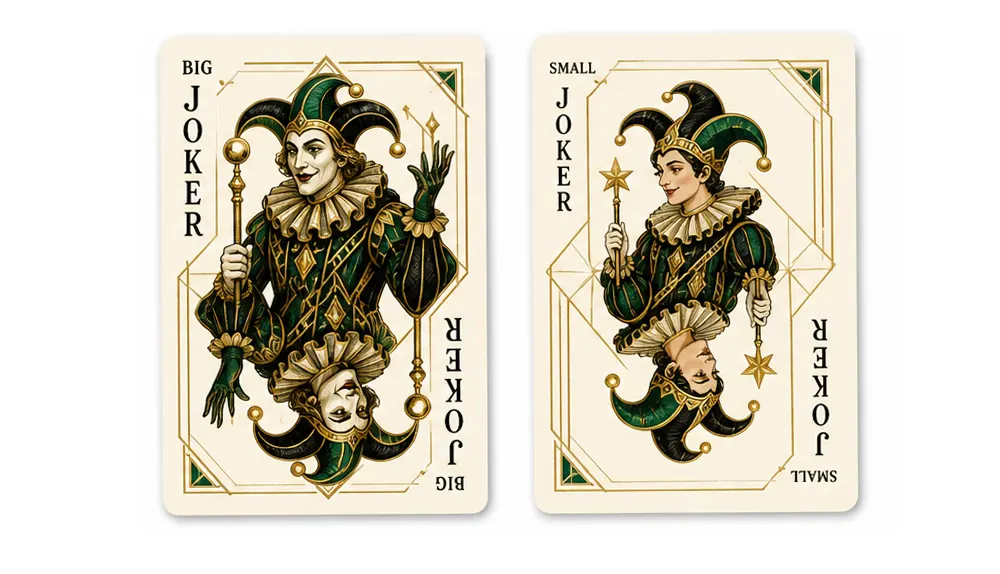
For example, one may be treated as a Big Joker and the other as a Little Joker.
That is why you commonly see:
52 standard cards + 2 Jokers = 54 physical cards.
But the fundamental four-suit deck is still considered a 52-card deck.
Are Jokers Red and Black?
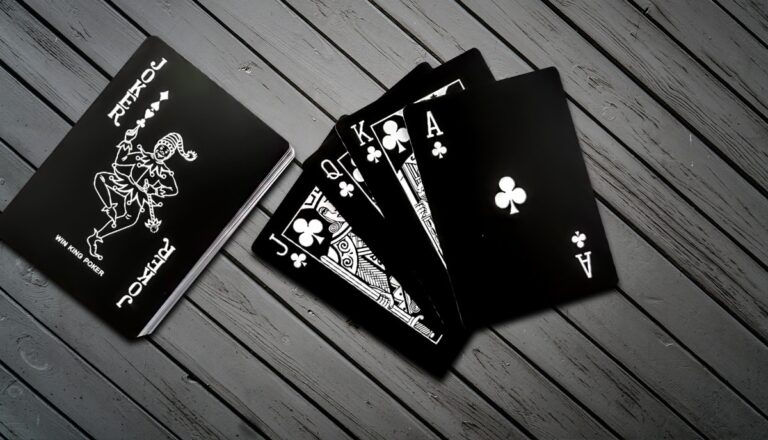
They can be, but there is no universal rule.
Jokers are not members of the four standard suits, so they do not have to follow the same red-and-black system as Hearts, Diamonds, Clubs, and Spades.
Manufacturers often make two Jokers visually different so players can distinguish them when a game assigns them different values.
For a custom playing-card deck, this also gives designers considerable freedom in how Joker cards are illustrated.
Do All Card Decks Have 52 Cards?
No. Not every card deck has 52 cards.
The word deck simply means a set of cards. When people say “a deck of cards” without any other context, they usually mean the familiar 52-card standard playing deck. But tarot decks, card games, trading card games, and custom decks can use very different numbers of cards.
Here are a few common examples:
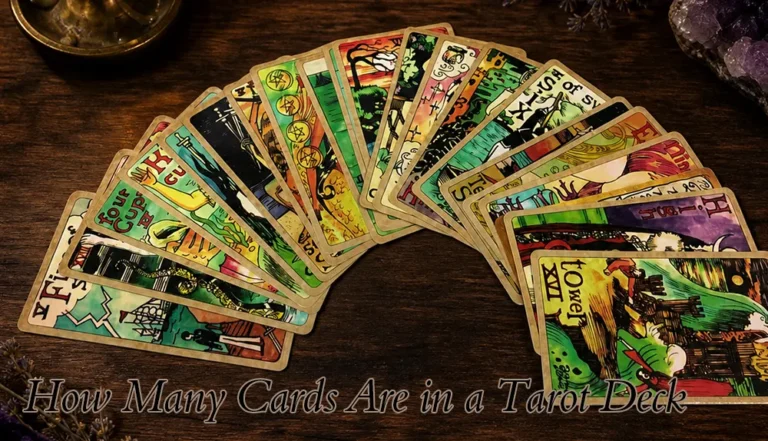
A traditional tarot deck, for example, typically contains 78 cards. The Metropolitan Museum of Art has documented complete 78-card tarot decks in its collection.
A current standard UNO deck contains 112 cards, although different editions can include their own special cards. Mattel lists 112 cards for its classic UNO product.
Trading card games also have their own deck-building requirements. A Pokémon TCG deck contains 60 cards, while a Magic: The Gathering Commander deck contains exactly 100 cards, including the commander.
Oracle decks and original custom card decks are much more flexible and do not have a universal card count.
So, while 52 cards is the standard for a traditional playing-card deck, it is not a universal rule for every type of card deck.
Can a Custom Card Deck Have More or Fewer Than 52 Cards?
Yes.
If you are creating your own card game, educational deck, promotional cards, conversation cards, or another custom product, you do not have to use exactly 52 cards.
The right number depends on how the cards will be used.
A traditional playing-card deck is usually easiest for players to recognize when it follows the familiar 52-card structure with optional Jokers. An original custom card deck, however, can contain almost any number of cards if the concept requires it.
The final card count also matters when the deck is professionally manufactured.
More cards make the finished deck thicker, which can affect:
- box depth
- tuck box dimensions
- rigid box dimensions
- inserts
- shipping weight
- packaging costs
For this reason, it is a good idea to finalize the number of cards before designing the packaging.
If you are developing your own deck, you may also want to see our card deck size guide before preparing your artwork.
Standard 52-Card Deck at a Glance
| Category | Number |
|---|---|
| Total standard cards | 52 |
| Suits | 4 |
| Cards per suit | 13 |
| Hearts | 13 |
| Diamonds | 13 |
| Clubs | 13 |
| Spades | 13 |
| Red cards | 26 |
| Black cards | 26 |
| Aces | 4 |
| Kings | 4 |
| Queens | 4 |
| Jacks | 4 |
| Face cards | 12 |
| Jokers included in the standard 52 | 0 |
| Total with 1 Joker | 53 |
| Total with 2 Jokers | 54 |
Frequently Asked Questions
How many cards are in a deck?
A standard deck of playing cards contains 52 cards, divided into four suits with 13 cards in each suit.
Are there 52 or 54 cards in a deck?
The standard deck contains 52 cards. If two Jokers are included, the package contains 54 physical cards. Jokers are extras and are not part of the standard 52-card count.
What are the 52 cards in a deck?
There are 13 ranks—Ace, 2 through 10, Jack, Queen, and King—in each of four suits: Hearts, Diamonds, Clubs, and Spades.
How many cards are in each suit?
There are 13 cards in each suit, giving 52 cards across four suits.
How many red and black cards are in a deck?
There are 26 red cards and 26 black cards. Hearts and Diamonds are red; Clubs and Spades are black.
How many Aces and face cards are in a deck?
There are 4 Aces and 12 face cards. The face cards are 4 Jacks, 4 Queens, and 4 Kings. Aces are not normally considered face cards.
Why are there 52 cards in a deck?
The 52-card format developed gradually from historical European playing-card traditions and eventually became the dominant international standard. The familiar structure consists of four suits with 13 cards each.
Why are there two Jokers in many decks?
Jokers are additional cards that developed later than the standard four-suit deck. Many commercial packs include two because certain games use two distinguishable special or high-ranking cards.
Does every card deck contain 52 cards?
No. Tarot cards, oracle cards, trading card games, proprietary games, and other custom decks may use completely different card counts.