 Book Printing in China
 Custom Card Decks
 Custom Holographic Cards
 Free Wall Calendar Template
 Free Desk Calendar Template
 Folding Cartons
 Rigid Boxes
 Corrugated Boxes
 Custom Board Game
 Custom Card Game
 Kickstarter Print Solutions
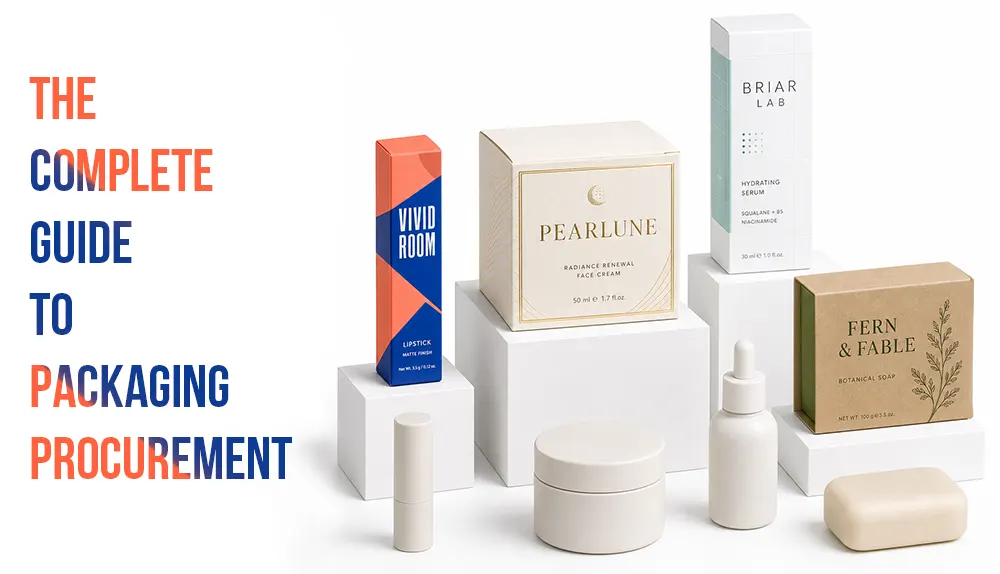
Packaging procurement is the end-to-end process of sourcing, specifying, pricing, and buying the packaging your products ship in. Done well, it protects your product, controls your landed cost, and reinforces your brand. Done poorly, it leads to delayed launches, blown budgets, damaged goods, and minimum order quantities you can’t sell through.
This guide walks through the entire procurement workflow — from defining requirements and understanding what actually drives packaging cost, to vetting suppliers and avoiding the most common buying mistakes. Whether you’re a startup ordering your first run of custom boxes or a procurement manager consolidating vendors, you’ll leave with a repeatable framework you can apply to any packaging category.
What Is Packaging Procurement?
Packaging procurement covers far more than placing an order. It’s a sequence of decisions: defining what the packaging must do, translating that into a technical spec, selecting a supplier capable of producing it, negotiating price and lead time, managing quality, and reordering reliably. Each of these steps influences your cost, your timeline, and your customer’s unboxing experience.
It helps to separate primary packaging (the box or carton that directly holds and protects your product) from secondary and transit packaging (the shipper or master carton that protects products in transit). A strong procurement plan accounts for both — a beautiful rigid gift box is worthless if it arrives crushed because the outer corrugated shipper wasn’t specified correctly.
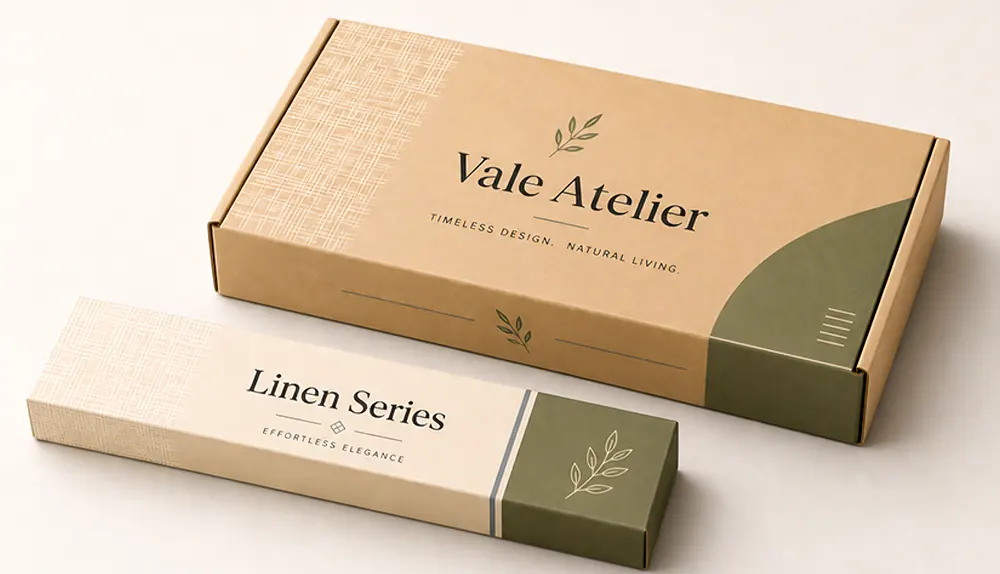
How to Build a Packaging Procurement Strategy
A procurement strategy turns ad-hoc buying into a repeatable process. Here’s a five-step framework that works for businesses of any size.
Step 1: Define Your Requirements
Before requesting a single quote, document what the packaging must achieve. Capture product dimensions and weight, fragility and protection needs, shelf or e-commerce environment, branding and print requirements, sustainability goals, and target unit cost. The clearer your brief, the more accurate and comparable your quotes will be.
Step 2: Choose the Right Packaging Format
Format drives both cost and protection. Folding cartons and tuck-end boxes are economical for lightweight retail products; mailer boxes suit e-commerce and subscription shipping; rigid boxes signal premium positioning; and corrugated boxes handle heavier or transit-critical loads. Matching format to use case early prevents expensive redesigns later.
Step 3: Set a Realistic Budget and Volume
Packaging is priced on volume curves: per-unit cost drops sharply as quantity rises, because tooling, setup, and plate costs are amortized across more units. Before committing, model your true sell-through. Ordering 10,000 units to hit a lower unit price is a false economy if it takes two years to use them and ties up cash.
Step 4: Shortlist and Evaluate Suppliers
Identify three to five suppliers and request quotes against the same brief. Evaluate them on more than price — capability, quality systems, communication, lead time, and the ability to scale with you all matter. We cover supplier evaluation in detail below.
Step 5: Sample, Approve, and Reorder
Always approve a physical pre-production sample before a full run. Once approved, document the spec so reorders are consistent. For fully bespoke projects — structural design plus branded print — work with a partner who can handle custom boxes with your logo from concept through production.
Packaging Cost Breakdown: What You're Actually Paying For
Two quotes for “a custom box” can differ by 3x. Understanding the cost drivers lets you compare suppliers fairly and find savings without sacrificing quality.
| Cost Driver | What It Means and How to Control It |
|---|---|
| Material & board grade | Paperboard type, thickness, and finish. Over-speccing board is a common hidden cost — match strength to actual need. |
| Size & material usage | Larger boxes use more board and ship less efficiently. Right-sizing cuts both material and freight cost. |
| Print & finishing | Number of colors, foil, embossing, spot UV, and lamination each add cost. Prioritize finishes that drive brand impact. |
| Tooling & setup | Dielines and print plates are one-time costs amortized over the run — a key reason larger orders cost less per unit. |
| Order quantity (MOQ) | Unit price falls with volume, but watch cash flow and storage. Balance unit savings against sell-through. |
| Shipping & duties | Landed cost includes freight, duties, and lead time. A cheaper unit price can be erased by slow or costly shipping. |
How to Find and Vet Packaging Suppliers
The right supplier is a long-term partner, not just the lowest bid. Use these criteria to evaluate any packaging vendor.
- Relevant capability. Do they routinely produce your format, material, and finish? Specialists usually beat generalists on quality and price.
- Quality systems. Ask about inspection processes, certifications, and how they handle defects or reprints.
- Samples and prototyping. A supplier confident in their work will provide pre-production samples. Always evaluate one.
- MOQ and scalability. Can they support your launch volume now and your growth later without forcing unrealistic minimums?
- Communication and lead time. Responsiveness during quoting predicts responsiveness during a problem. Confirm realistic, written lead times.
- Total landed cost. Compare delivered cost — unit price plus tooling, shipping, and duties — not just the headline per-unit figure.
5 Common Packaging Procurement Mistakes to Avoid
- Over-ordering for a lower unit price. Ties up cash and storage; model sell-through first.
- Skipping the physical sample. Screen proofs never fully reflect color, structure, and feel.
- Choosing on unit price alone. Landed cost and reliability matter far more over time.
- Under-specifying transit protection. Beautiful retail packaging fails if it arrives damaged.
- Treating procurement as one-off. Document specs so reorders stay consistent and fast.
Source Your Custom Packaging with Confidence
A strong procurement process comes down to a clear spec, the right format, and a supplier who can deliver quality at a price that works. If you’re sourcing custom paper boxes, QinPrinting produces corrugated boxes, rigid boxes, tuck boxes, mailer boxes, gift boxes, and fully custom boxes with your logo — with manageable minimums, free pre-production samples, and structural design support.
Ready to get a quote? Contact our team with your product specs and target quantity, and we’ll help you spec the right packaging and provide a transparent, all-in quote.
Frequently Asked Questions
What is packaging procurement?
Packaging procurement is the process of sourcing and buying packaging — defining requirements, choosing a format and material, selecting and negotiating with a supplier, managing quality, and reordering. It aims to balance protection, brand impact, and total landed cost.
How do I reduce packaging costs without lowering quality?
Right-size the box, avoid over-speccing board strength, limit print finishes to those with real brand impact, balance order volume against sell-through, and compare suppliers on total landed cost rather than unit price alone.
What is a typical MOQ for custom boxes?
Minimums vary widely by format and supplier. Some specialists offer low minimums suitable for startups, while others require thousands of units. Always confirm MOQ in writing and weigh it against your realistic sell-through. See our custom box options for low-minimum possibilities.
How long does packaging production take?
Lead times typically run from a couple of weeks to several weeks depending on format, finishing, quantity, and shipping method. Always confirm production plus shipping time in writing, and add buffer for sample approval before your launch deadline.